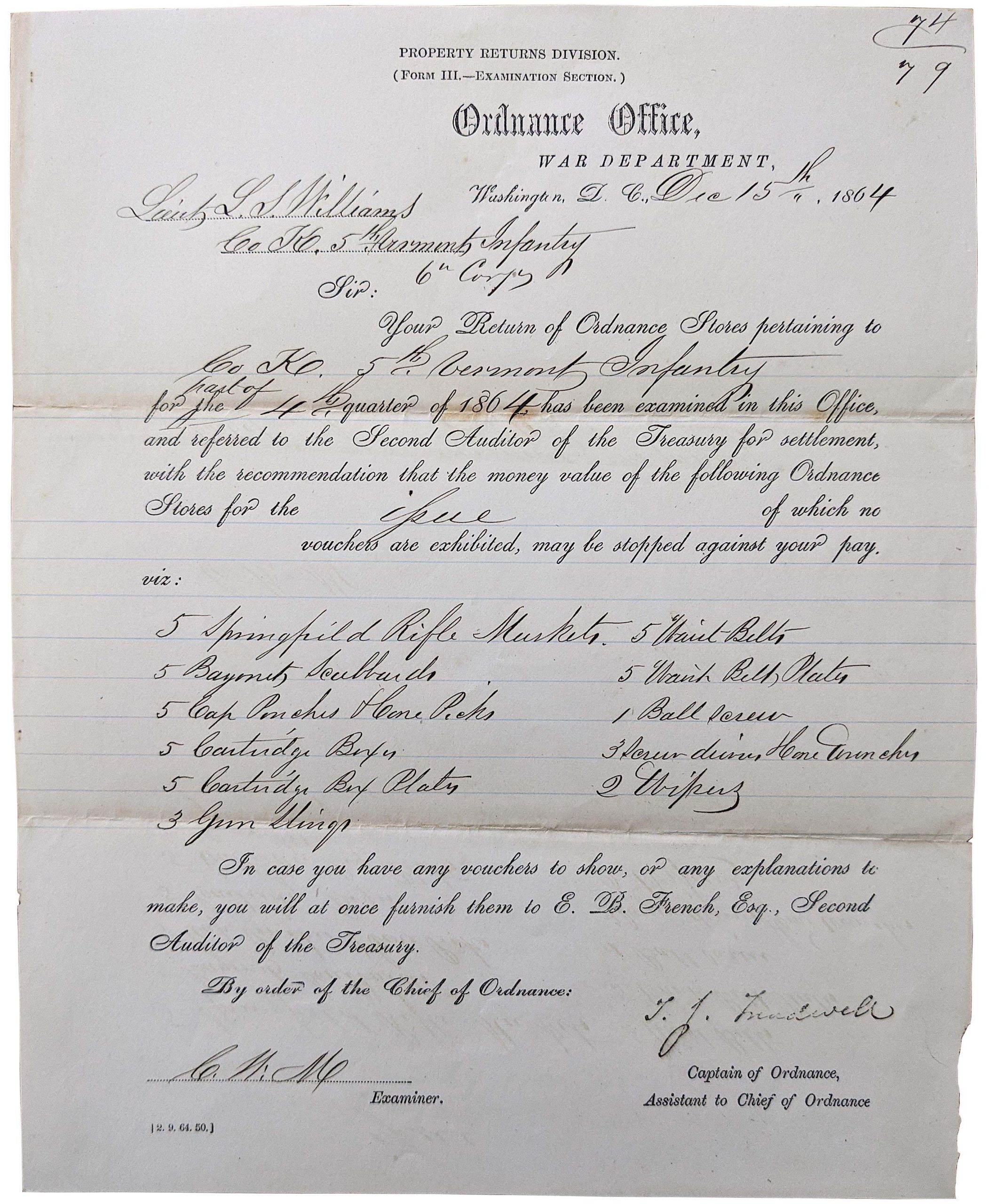
Historical Photo Football Team Cornell Jerome Holland – Lot No-55

Historical Photo Football Team Cornell Jerome Holland

Historical Photo Football Team Cornell Jerome Holland:

ABOUT JEROME HEARTWELL “BRUD” HOLLAND (1916 – 1985) (From Wikipedia): Jerome Heartwell “Brud” Holland (January 9, 1916 – January 13, 1985), one of 13 children, was an American university president and diplomat. He was the first African American to play football at Cornell University, and was chosen as an All American in 1937 and 1938. He was also the first African American to chair the American Red Cross Board of Governors, which named its Laboratory for the Biomedical Sciences in his honor. He was the first African-American to sit on the board of the New York Stock Exchange (1972), and the first appointed to Massachusetts Institute of Technology’s governing body, “The Corporation”.

AMERICAN HEROES DURING 1920s – 1930s: College football fully came of age in the 1920s, when it became widely recognized as America’s greatest sporting spectacle. As college football thrived, professional football struggled for respectability. The NFL was formed in the year 1920 with 11 teams. Today American Football is the most popular sport to watch in the United States.

15th C. Indian Stone Ganesha Relief Carving

15th C. Indian Stone Ganesha Relief Carving

15th C. Indian Stone Ganesha Relief Carving:

South Asia, India, ca. 15th century CE. Finely carved in relief from a single block of stone, a high relief panel depicting the elephant-headed Ganesha ( also Ganapati and Vinayaka) sitting upon a plinth that likely represents a lotus throne. Ganesha’s portly state is the result of his renowned love of sweets; notice that he is holding a bowl of delectable delights in his lower left hand, picking one up with his trunk. Ganesha is adorned with a headdress, a double-stranded beaded necklace, a snake wrapped around his waist like a belt, anklets, and a pleated loin cloth. In his upper hands he holds weapons and in his lower right hand a ritualistic object. A fine rendering of one of the best-known and most worshipped deities in the Hindu pantheon with fabulous details, personality, and nice remains of pigmentation. Size: 5.1″ L x 8.55″ W x 12.95″ H (13 cm x 21.7 cm x 32.9 cm)

Esteemed as one of the principle deities of the Hindu pantheon, the first son of Shiva and Parvati, Ganesha is known as the Lord of Plenty or the God of Auspiciousness, highly revered as the regulator of all obstacles with the power to create and remove them. Followers traditionally ask for his blessings at the beginning of any new paths or serious endeavors. The origin of his physiognomy, particularly how he came to possess such an unusual head, is the source of many legends. The most popular is that one day when Shiva was away from home, Parvati created a human son from her own body. She asked her son to guard the door while she was bathing. Quite unexpectedly, Shiva returned home, and the boy would not allow Shiva to enter his own household. Enraged by this, Shiva cut off the boy’s head. Parvati grew quite angry and ordered Shiva to replace his head. Shiva did so with the first living being he encountered, an elephant.

Ganesha is widely revered as the remover of obstacles, the patron of arts and sciences, and the deva of intellect and wisdom. As the god of beginnings, he is honored at the start of rituals and ceremonies. Ganesha is also invoked as patron of letters and learning during writing sessions. Ganesha’s image is found throughout India. Hindu sects worship him regardless of affiliations. Devotion to Ganesha is widely diffused and extends to Jains, Buddhists, as well as beyond India.

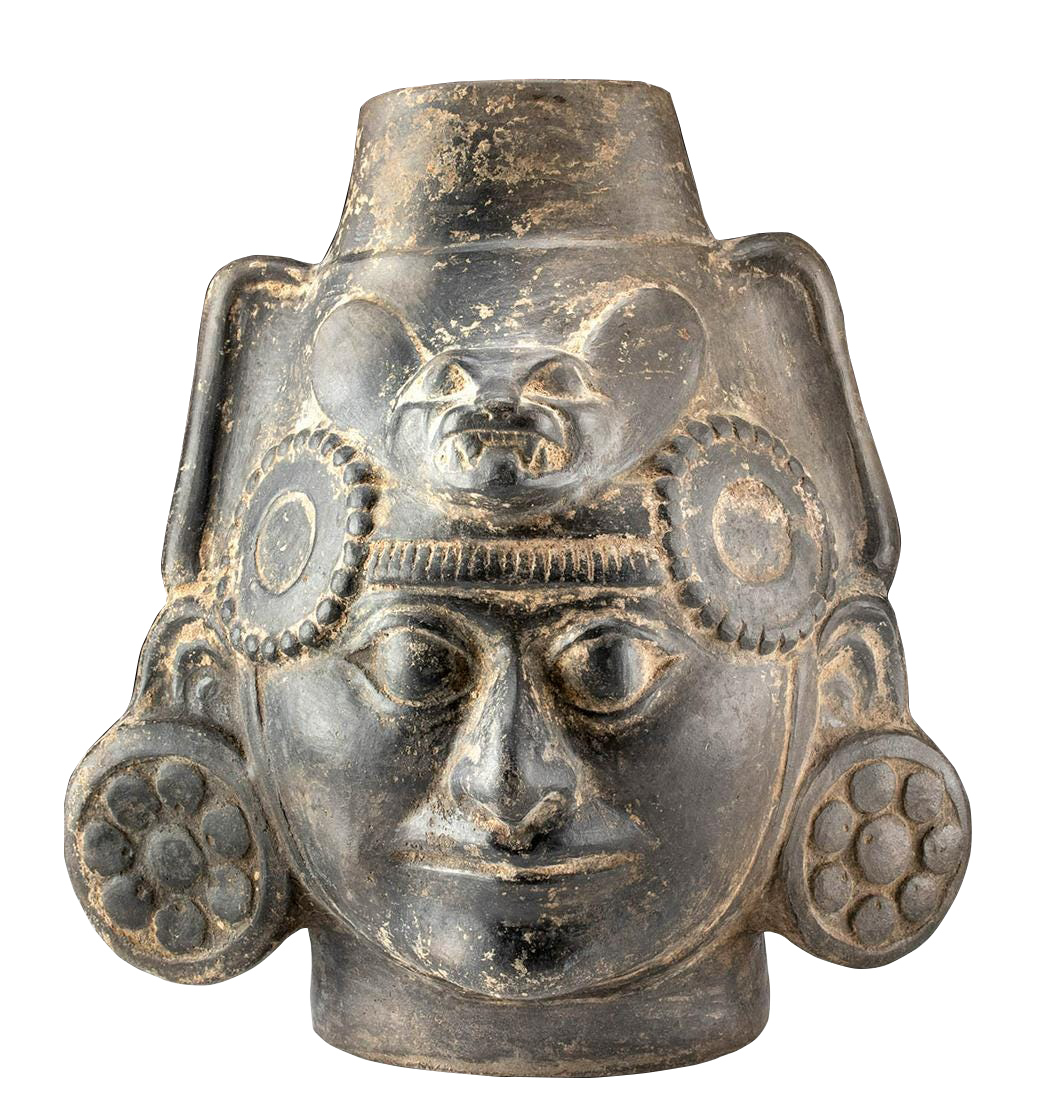
Moche Pottery Portrait Vessel w/ Zoomorphic Headdress

Moche Pottery Portrait Vessel w/ Zoomorphic Headdress

Moche Pottery Portrait Vessel w/ Zoomorphic Headdress:

Pre-Columbian, North Coast Peru, Moche, ca. 400 CE. A mold-made blackware portrait vessel depicting a youthful visage donning an elaborate headdress adorned with a zoomorphic head – perhaps that of a wild feline or a bat given those large ears and sharp fangs – at the center and two ‘beaded’ ring-like appliques flanking his fringe of bangs as well as the animal head. The young man, perhaps a ruler or shaman given his extravagant headdress and enormous rosette ear ornaments, looks out with huge lidded eyes, a naturalistic nose, gently smiling lips, and a defined jawline. Size: 5.375″ L x 8.125″ W x 8.75″ H (13.7 cm x 20.6 cm x 22.2 cm)

This vessel portrayed an important member of Moche society, likely a leader or shaman; it is possible – even probable – that there are portraits of him as an older man found on other vessels, as we know of several examples of Moche portrait vessels portraying the same individual at different stages of life! The sculptor’s intent was to present a realistic depiction, and interestingly, scholars have been able to follow the progression of age and rank of several of individuals portrayed in pottery. One particular face, easily identified because of his cut lip, appears in more than forty Moche pottery vessels. In their own way, these people were the celebrities of the day, portrayed by their own paparazzi.

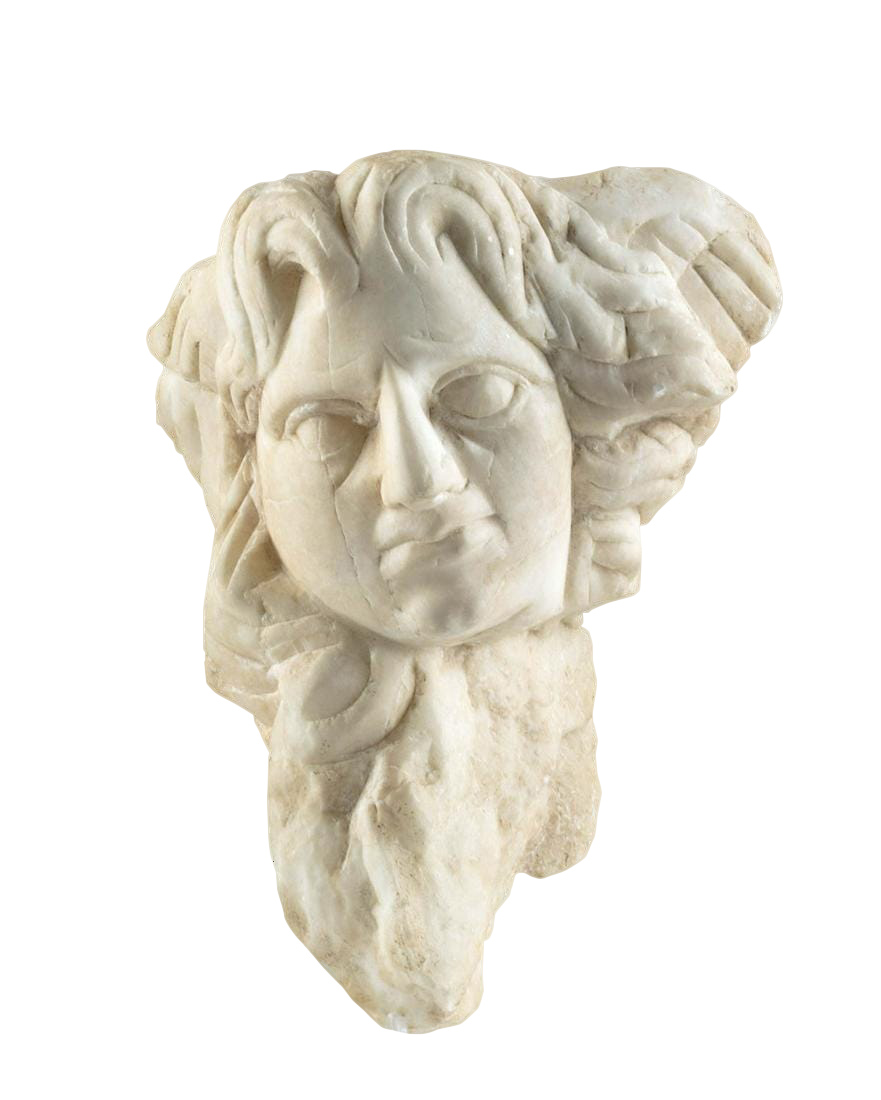
Roman Marble Sarcophagus Fragment – Somnos

Roman Marble Sarcophagus Fragment - Somnos

Roman Marble Sarcophagus Fragment – Somnos:

Roman Empire, ca. 1st to 3rd century CE. Small but quite striking marble bust of Somnos (Greek Hypnos) , God of Sleep. Looking slightly to the left, long tresses to each side and small wings emerging from behind the head – his gaze almost hypnotic. How appropriate that this god was used on the sarcophagus in preparation for eternal sleep. Size: 4.25″ W x 6″ H (10.8 cm x 15.2 cm)

Lucite stand for photographic purposes and not included.

Real Photo Stereoview Civil War Union Soldiers Fort Hell

Real Photo Stereoview Civil War Union Soldiers Fort Hell

Real Photo Stereoview Civil War Union Soldiers Fort Hell:

This stereoview is original from the epoch . It comes mainly from collectors in the U.S.A. and constitute wonderful testimonies of past time that tend to be unique. The scarcity, condition and the identity of the subject and if possible the identity of the photographer all play a role in determining the value of antique stereoviews. These stereoviews are important material for serious collectors, galleries and museums. The dimensions of a stereoview are Approx. 3.5″ x 7″ (sometimes 4″ x 7″).

The following is from Collectors Weekly:
The idea for stereoview photographs (also known as stereoscopic photographs, stereographs, or, simply, views) was hatched long before their invention, and even well prior to the first photographs. In the early 17th century, three separate men, Giovanni Battista della Porta, Jacopo Chimenti da Empoli, and Francois d’Aguillion, made drawings, or allusions to, what would eventually become the stereoscope or stereo viewer.

What these men envisioned essentially became a reality when the stereoscope was finally introduced in the early 19th century. Stereoscopes use two nearly-identical images, each taken a few inches to the side of the other. When viewed through two lenses set 2.5 inches apart, approximately the space between the eyes, the result is the illusion of a three-dimensional picture. In fact, stereoscopes are seen as the precursors to 3D entertainment. Much of the three-dimensional technology of today is based on the simple principles that allow the stereoscope to function.

Sir David Brewster often gets the credit for inventing stereoscopes, but he first designed the box-shaped viewer. The first stereoscope was actually introduced in 1833 by Sir Charles Wheatstone in Great Britain. At that time, photographs did not exist, so drawings were used instead. By the 1850s, photography was possible so stereoscopes began featuring this new technology.

Because the stereoscope preceded the publication of photographs in newspapers and magazines, stereo viewers were seen as forms of entertainment. People would pass around the stereoscope and see all sorts of beautiful scenes that they otherwise might never have been introduced to.

In 1859 Oliver Wendell Holmes, Sr. (his son was the Supreme Court judge) invented a handheld stereograph viewer which was later manufactured by Joseph L. Bates in Massachusetts. These antique stereographs are highly sought-after today.

Before stereoviews caught on in the United States, however, they were popular in the United Kingdom and other parts of Europe. Roger Fenton was an early stereoview photographer, as was Jules Duboscq, who made daguerreotype stereographs popular. At the same time tintype and albumen photographs were being used in stereoscopes.

In fact, the vintage photographs that were placed inside stereoscopes are even more collectible than the devices themselves. The list of themes for these pictures is limitless, and they provide a wonderful window into late-19th and early-20th-century culture.

One of the most popular genres was railroad photos. Rail transportation was developing alongside photographic innovation, so many people that never rode the rails could at least see them through a stereoscope. One of the leading railroad and Western stereoview photographers was Carleton Watkins. Other views included mines, landscapes, automobiles, and, of course, nudes. In the United States, stereoviews allowed people living on the East Coast to see the West Coast, and vice versa.

By the latter half of the 19th century, many towns had their own resident stereoview photographer, which means there were plenty of local subjects available for people with stereoscopes to go with the images of far-off lands. Several companies emerged as publishers and distributors of stereoviews on every imaginable subject, the biggest and most successful in the United States being the Keystone View Company of Meadville, Pennsylvania.

The most prolific maker of views, however, was probably the London Stereoscope Company, founded in the early 1850s. It produced hundreds of thousands of views, as well as some portraits. Its peak was the 1850s, which was the height of the stereoscope craze in the United Kingdom. The company remained strong through the next few decades before fizzling in the 1920s. It has since reopened, with its new owners making an attempt to reintroduce the popularity of stereoscopes into today’s digital world.

This lot is located in Boca Raton, Fl and its shipment will be made directly by Artelisted. Shipping insurance is the responsibility of the buyer. Ask us if you want to add insurance cost. Note that if there is loss or damage due to bad handling by the transporter, this loss will be assumed only by the buyer. Enquires are welcome, do not hesitate to contact us at your convenience, we are looking to providing you with an excellent service.

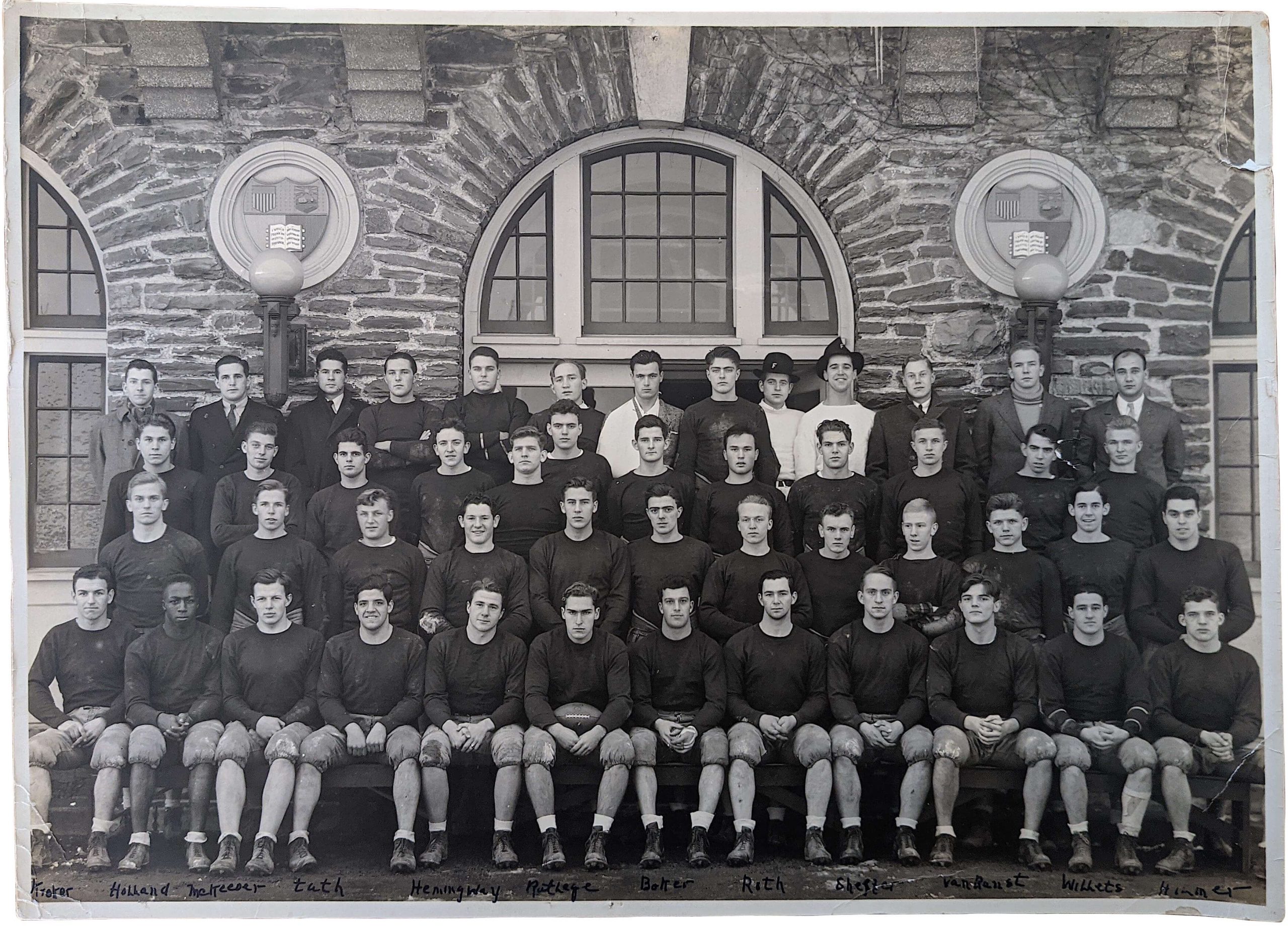
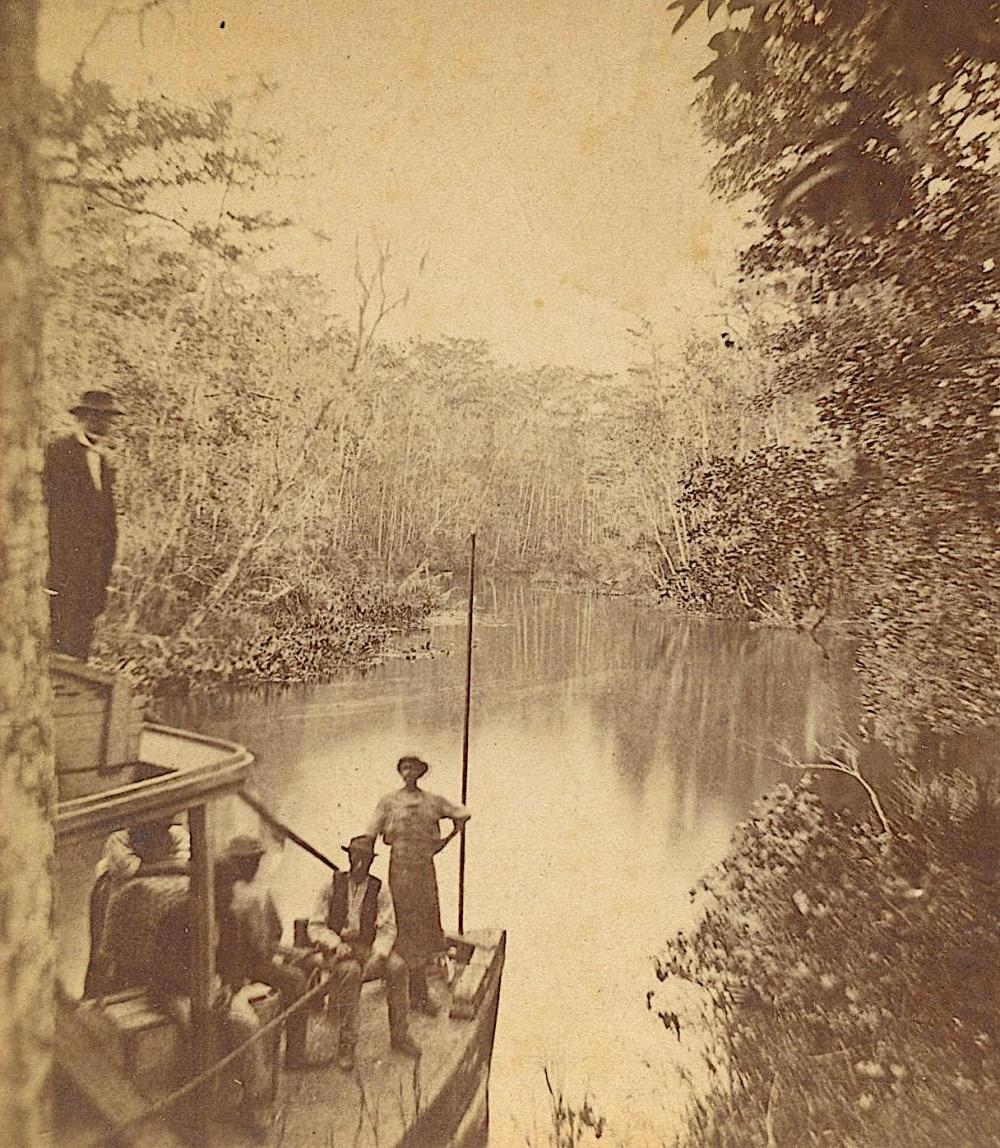
Antique Real Photo Stereoview Boat Pioneers, FL

Antique Real Photo Stereoview Boat Pioneers, FL

Antique Real Photo Stereoview Boat Pioneers, FL:

This stereoview is original from the epoch . It comes mainly from collectors in the U.S.A. and constitute wonderful testimonies of past time that tend to be unique. The scarcity, condition and the identity of the subject and if possible the identity of the photographer all play a role in determining the value of antique stereoviews. These stereoviews are important material for serious collectors, galleries and museums. The dimensions of a stereoview are Approx. 3.5″ x 7″ (sometimes 4″ x 7″).

The following is from Collectors Weekly:
The idea for stereoview photographs (also known as stereoscopic photographs, stereographs, or, simply, views) was hatched long before their invention, and even well prior to the first photographs. In the early 17th century, three separate men, Giovanni Battista della Porta, Jacopo Chimenti da Empoli, and Francois d’Aguillion, made drawings, or allusions to, what would eventually become the stereoscope or stereo viewer.

What these men envisioned essentially became a reality when the stereoscope was finally introduced in the early 19th century. Stereoscopes use two nearly-identical images, each taken a few inches to the side of the other. When viewed through two lenses set 2.5 inches apart, approximately the space between the eyes, the result is the illusion of a three-dimensional picture. In fact, stereoscopes are seen as the precursors to 3D entertainment. Much of the three-dimensional technology of today is based on the simple principles that allow the stereoscope to function.

Sir David Brewster often gets the credit for inventing stereoscopes, but he first designed the box-shaped viewer. The first stereoscope was actually introduced in 1833 by Sir Charles Wheatstone in Great Britain. At that time, photographs did not exist, so drawings were used instead. By the 1850s, photography was possible so stereoscopes began featuring this new technology.

Because the stereoscope preceded the publication of photographs in newspapers and magazines, stereo viewers were seen as forms of entertainment. People would pass around the stereoscope and see all sorts of beautiful scenes that they otherwise might never have been introduced to.

In 1859 Oliver Wendell Holmes, Sr. (his son was the Supreme Court judge) invented a handheld stereograph viewer which was later manufactured by Joseph L. Bates in Massachusetts. These antique stereographs are highly sought-after today.

Before stereoviews caught on in the United States, however, they were popular in the United Kingdom and other parts of Europe. Roger Fenton was an early stereoview photographer, as was Jules Duboscq, who made daguerreotype stereographs popular. At the same time tintype and albumen photographs were being used in stereoscopes.

In fact, the vintage photographs that were placed inside stereoscopes are even more collectible than the devices themselves. The list of themes for these pictures is limitless, and they provide a wonderful window into late-19th and early-20th-century culture.

One of the most popular genres was railroad photos. Rail transportation was developing alongside photographic innovation, so many people that never rode the rails could at least see them through a stereoscope. One of the leading railroad and Western stereoview photographers was Carleton Watkins. Other views included mines, landscapes, automobiles, and, of course, nudes. In the United States, stereoviews allowed people living on the East Coast to see the West Coast, and vice versa.

By the latter half of the 19th century, many towns had their own resident stereoview photographer, which means there were plenty of local subjects available for people with stereoscopes to go with the images of far-off lands. Several companies emerged as publishers and distributors of stereoviews on every imaginable subject, the biggest and most successful in the United States being the Keystone View Company of Meadville, Pennsylvania.

The most prolific maker of views, however, was probably the London Stereoscope Company, founded in the early 1850s. It produced hundreds of thousands of views, as well as some portraits. Its peak was the 1850s, which was the height of the stereoscope craze in the United Kingdom. The company remained strong through the next few decades before fizzling in the 1920s. It has since reopened, with its new owners making an attempt to reintroduce the popularity of stereoscopes into today’s digital world.

This lot is located in Boca Raton, Fl and its shipment will be made directly by Artelisted. Shipping insurance is the responsibility of the buyer. Ask us if you want to add insurance cost. Note that if there is loss or damage due to bad handling by the transporter, this loss will be assumed only by the buyer. Enquires are welcome, do not hesitate to contact us at your convenience, we are looking to providing you with an excellent service.
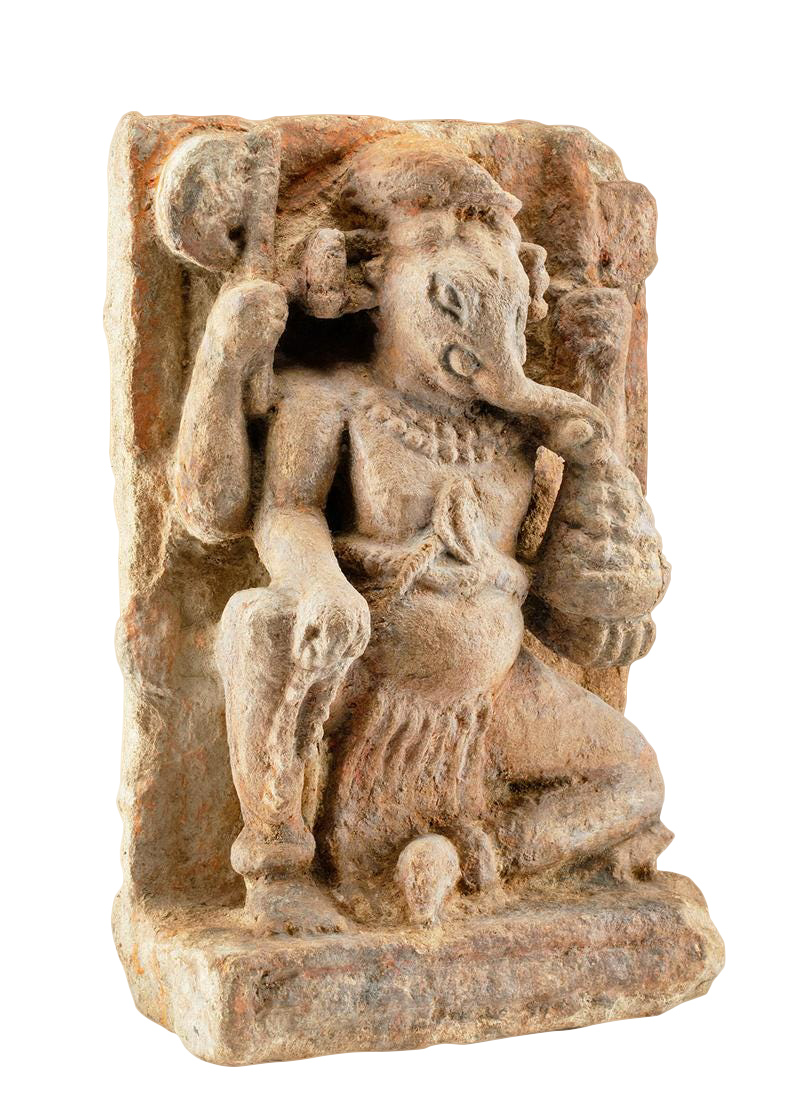
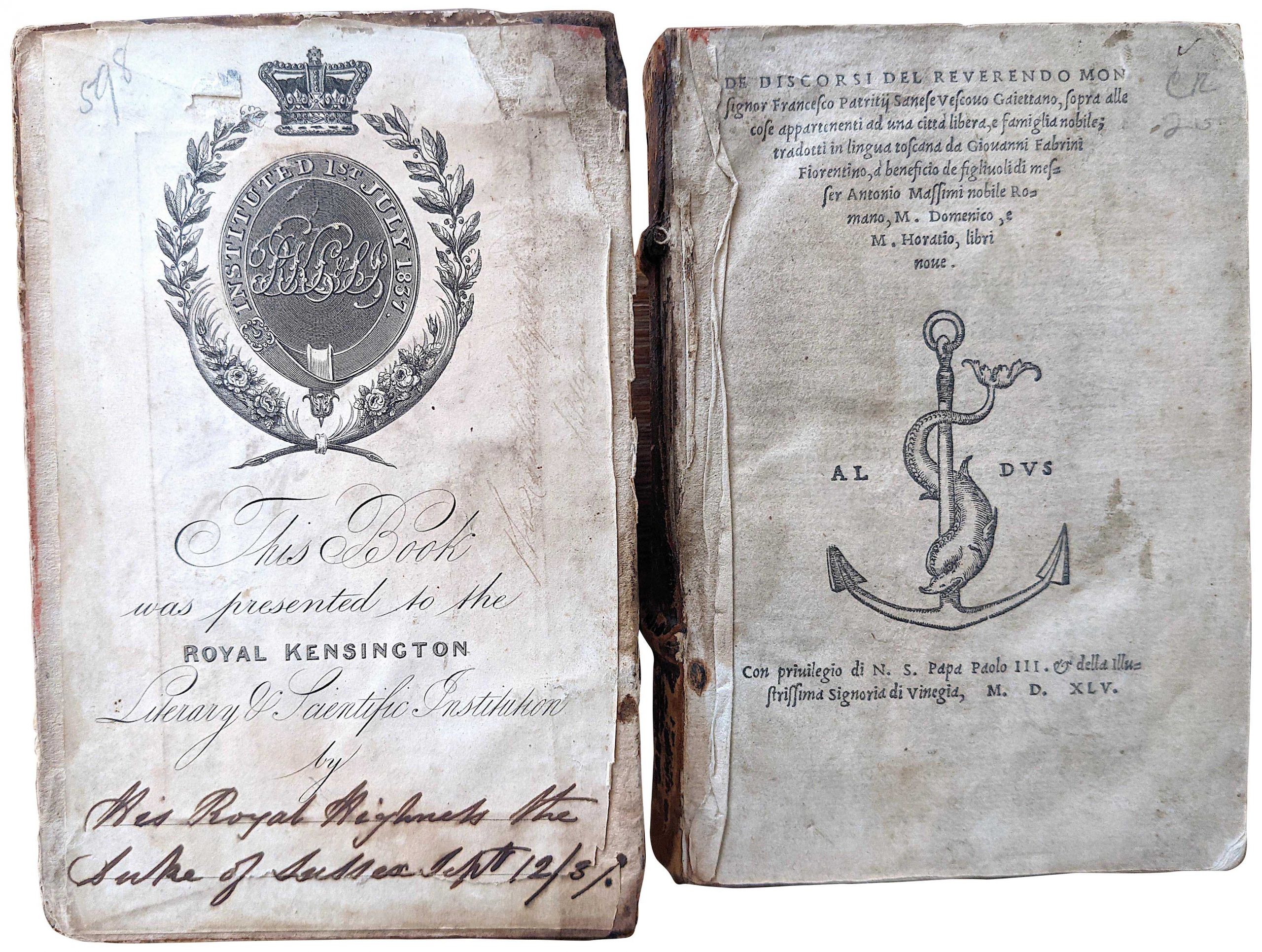
Very Rare Book Earliest Humanism Works, 1545

Very Rare Book Earliest Humanism Works, 1545

Very Rare Book Earliest Humanism Works, 1545:

The provenance of this lot is from a collector in Palm Beach. De discorsi del Reverendo Monsignor Francesco Patritij Sanese Vescovo Gaiettano, sopra alle cose appartenenti ad una citta libera, e famiglia nobile; tradotti in lingua toscana da Giovanni Fabrini Fiorentino, e beneficio de Domenico, e M. Horatio. libri move.

This was one of the earliest works on the topic humanism published in 1545, and predates Machievelli’s The prince.

The book is leather-bound and contains all the pages. The front cover has become detached, but binding is in good condition.

This lot is located in Boca Raton, Fl. The shipping by Artelisted will be via USPS – First Class or Priority (tracking # will be provided via Stamps.com). If you wish to use the “media” mail (books only) via USPS, please send us an email and we will update the corresponding shipping cost. Sometimes Artelisted can decide to coordinate shipping with a third party (between buyer and contractor). Shipping insurance is the responsibility of the buyer. Ask us if you want to add insurance cost. Note that if there is loss or damage due to bad handling by the transporter, this loss will be assumed only by the buyer. Enquires are welcome, do not hesitate to contact us at your convenience, we are looking to providing you with an excellent service.
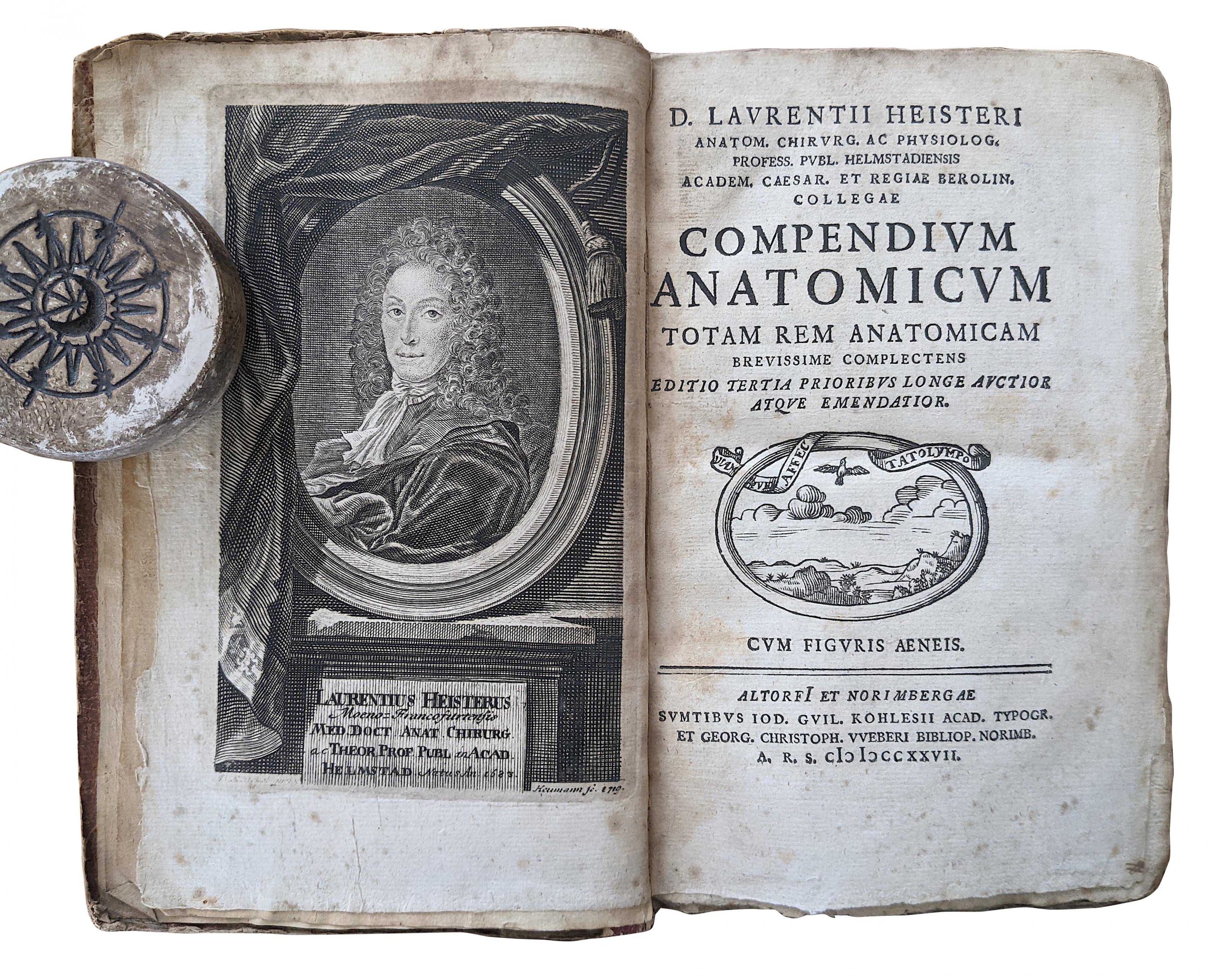
Antique Book Medical Book HEISTER LAURENCE Anatomy, 1727

Antique Book Medical Book HEISTER LAURENCE Anatomy, 1727

Antique Book Medical Book HEISTER LAURENCE Anatomy, 1727:

The provenance of this lot is from a collector in Indiana. This lot is located in Boca Raton, Fl. The shipping by Artelisted will be via USPS – First Class or Priority (tracking # will be provided via Stamps.com). If you wish to use the “media” mail (books only) via USPS, please send us an email and we will update the corresponding shipping cost. Sometimes Artelisted can decide to coordinate shipping with a third party (between buyer and contractor). Shipping insurance is the responsibility of the buyer. Ask us if you want to add insurance cost. Note that if there is loss or damage due to bad handling by the transporter, this loss will be assumed only by the buyer. Enquires are welcome, do not hesitate to contact us at your convenience, we are looking to providing you with an excellent service.
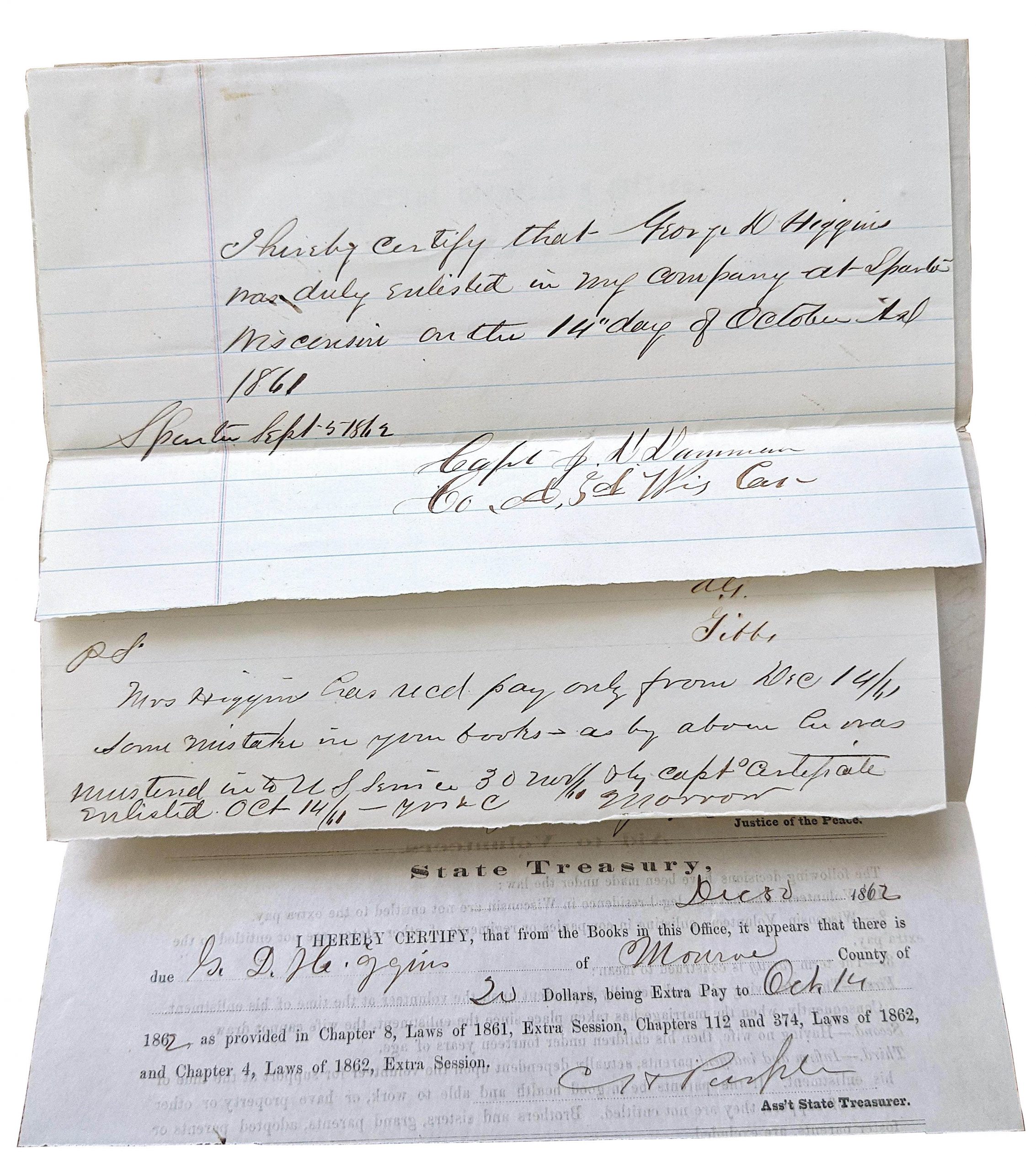
American Civil War Documents George Higgins, 1862

American Civil War Documents George Higgins, 1862

American Civil War Documents George Higgins, 1862:

The provenance of this lot is from a collector in Indiana. This lot is located in Boca Raton, Fl. The shipping by Artelisted will be via USPS – First Class or Priority (tracking # will be provided via Stamps.com). Sometimes Artelisted can decide to coordinate shipping with a third party (between buyer and contractor). Shipping insurance is the responsibility of the buyer. Ask us if you want to add insurance cost. Note that if there is loss or damage due to bad handling by the transporter, this loss will be assumed only by the buyer. Enquires are welcome, do not hesitate to contact us at your convenience, we are looking to providing you with an excellent service.

American Civil War Document Ordinance Office Signed, 1864

American Civil War Document Ordinance Office Signed, 1864

American Civil War Document Ordinance Office Signed, 1864:

The provenance of this lot is from a collector in Indiana. This lot is located in Boca Raton, Fl. The shipping by Artelisted will be via USPS – First Class or Priority (tracking # will be provided via Stamps.com). Sometimes Artelisted can decide to coordinate shipping with a third party (between buyer and contractor). Shipping insurance is the responsibility of the buyer. Ask us if you want to add insurance cost. Note that if there is loss or damage due to bad handling by the transporter, this loss will be assumed only by the buyer. Enquires are welcome, do not hesitate to contact us at your convenience, we are looking to providing you with an excellent service.