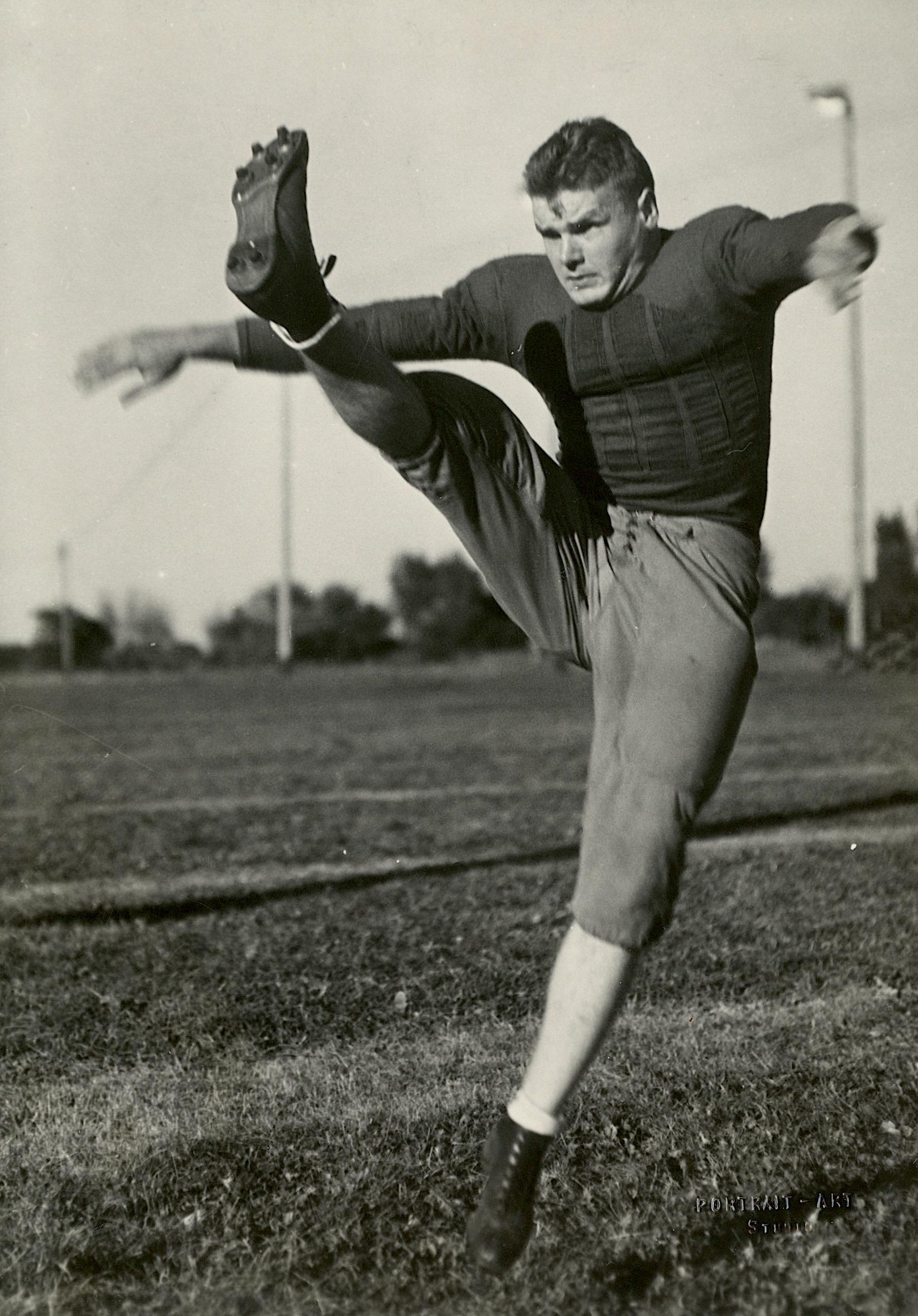
Historical Photo Football Fritz Graflund Notre Dame 1932:
AMERICAN HEROES DURING 1920s – 1930s: College football fully came of age in the 1920s, when it became widely recognized as America’s greatest sporting spectacle. As college football thrived, professional football struggled for respectability. The NFL was formed in the year 1920 with 11 teams. Today American Football is the most popular sport to watch in the United States.
DIMENSIONS: The paper dimensions are Approx: 7″ X 5″ (small variances can occur).
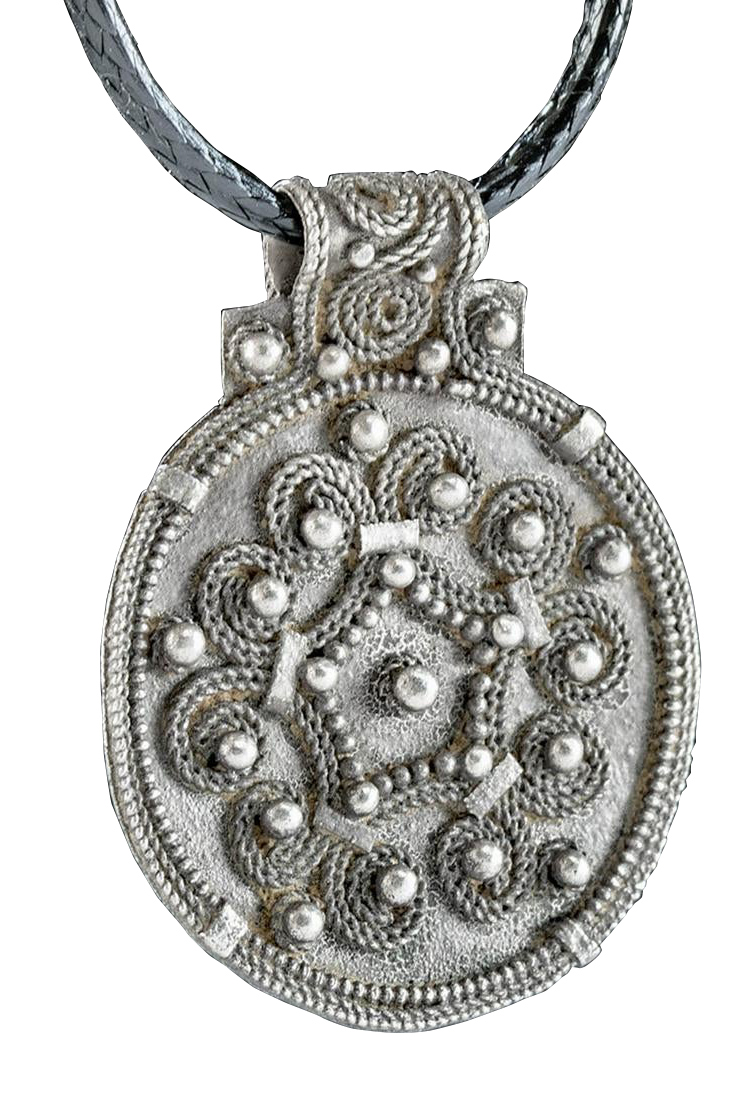
Northern Europe, Viking, ca. 9th to 10th century CE. A gorgeous bracteate pendant, made from 97.5% pure silver. The entire surface is decorated with filigreed motifs of rope-patterned curls and spirals as well as elegant spherical granules. At the center of the composition is a five-pointed star motif with double spirals emerging from its points that is highlighted with lovely granules. All is surrounded by a generous filigreed border. Above the circular face is a folded loop that is also decorated with filigree and granulation. Pendants like this example were worn around the neck or sewn onto clothing as a type of amulet for protection or good fortune. Weight: 2.5 grams Size: 1.25″ L x 1″ W (3.2 cm x 2.5 cm); cord is 19.5″ L (49.5 cm) Silver quality: 97.5%.
Filigree and granulation are among the oldest metlsmithing techniques. The techniques involved include twisting gold or silver wires and soldering incredibly tiny beads comprised of the same precious metal onto the surface of the piece of jewelry. This very complicated technique requires painstaking attention to detail that relatively few jewelers have ever mastered. Ancient civilizations such as the Mesopotamians, Greeks, and Etruscans developed the methodology; filigreed and granulated jewelry continued to be popular in the Roman empire, and was also sought after by the Slavs, Anglo-Saxons, and Vikings, remaining popular throughout the Middle Ages. In fact, modern jewelers still utilize these ancient techniques.
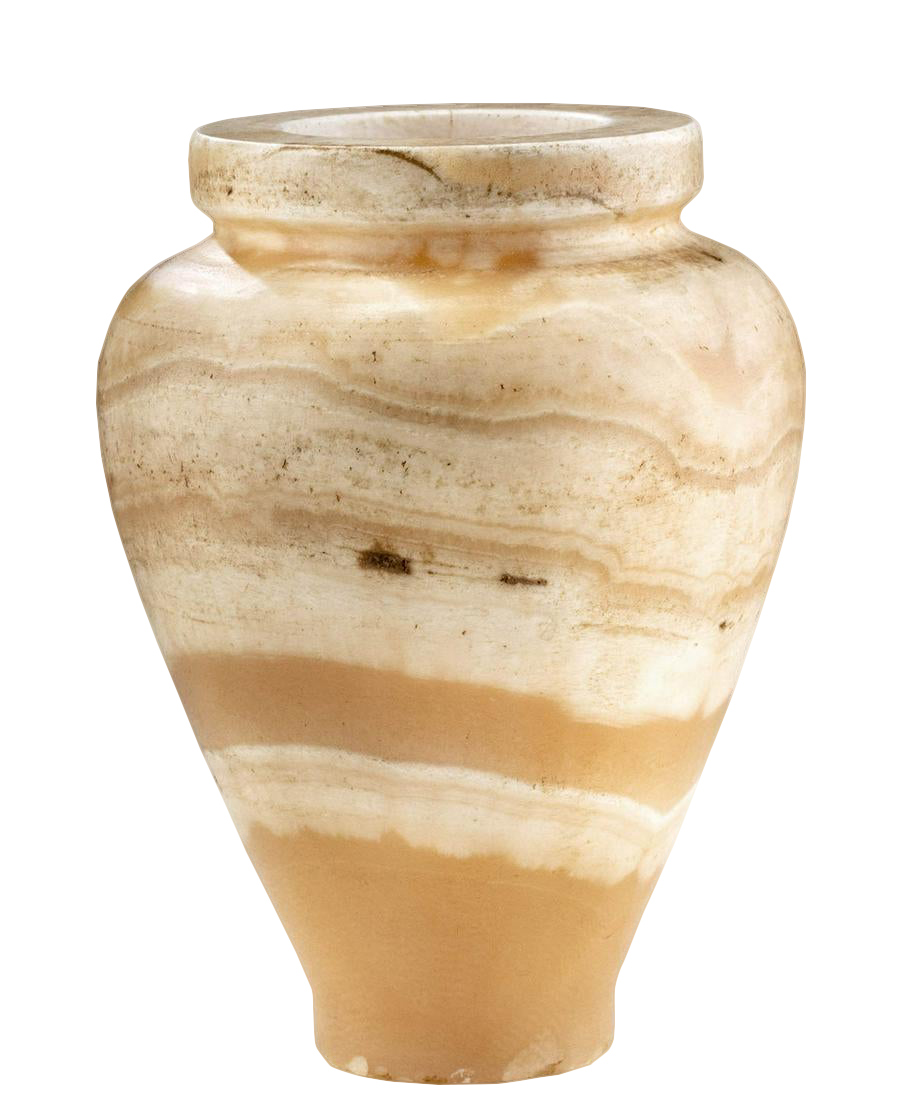
Egypt, Late Dynastic to Ptolemaic Period, ca. 664 to 30 BCE. A beautiful vessel of an elegant form and a generous size, hand-carved from banded alabaster with ample natural veining in warm hues of warm wheat, creamy beige, and caramel. The vessel, possibly a canopic jar, is defined by a flat base, an inverted piriform body, a rounded shoulder which tapers with a corseted neck, and a thick discoid rim. The interior of the jar was painstakingly carved out using a series of progressively finer drill bits and copious amounts of abrasive sand, and the exterior surface exhibits a fine polished texture. A stunning example, positively mesmerizing, especially when held to the light. Size: 5.4″ W x 7.2″ H (13.7 cm x 18.3 cm)
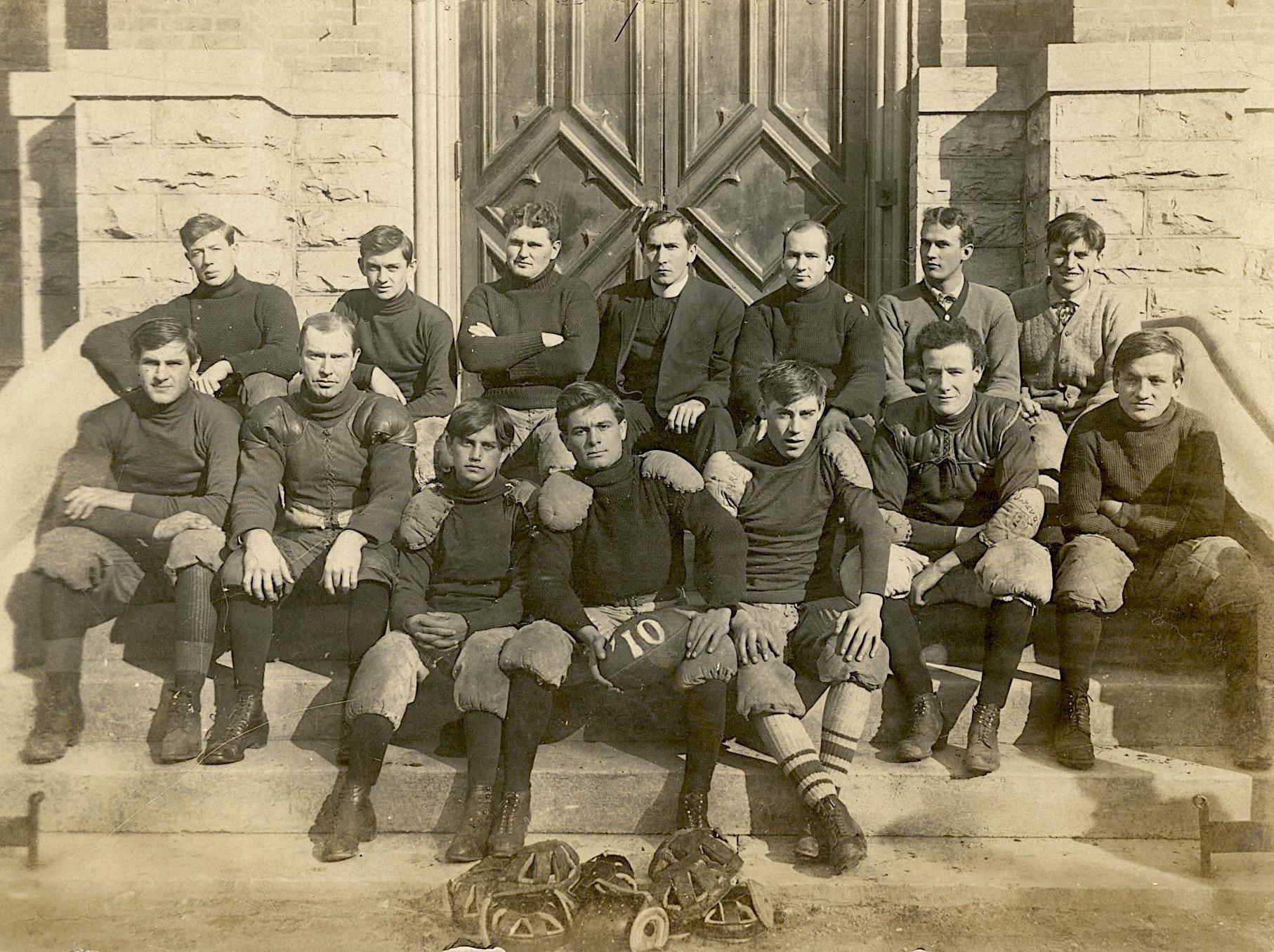
Historical Photo Football PC Format Team 1910:
AMERICAN HEROES DURING 1920s – 1930s: College football fully came of age in the 1920s, when it became widely recognized as America’s greatest sporting spectacle. As college football thrived, professional football struggled for respectability. The NFL was formed in the year 1920 with 11 teams. Today American Football is the most popular sport to watch in the United States.
DIMENSIONS: The paper dimensions are Approx: 3.5″ X 5.5″ (small variances can occur).
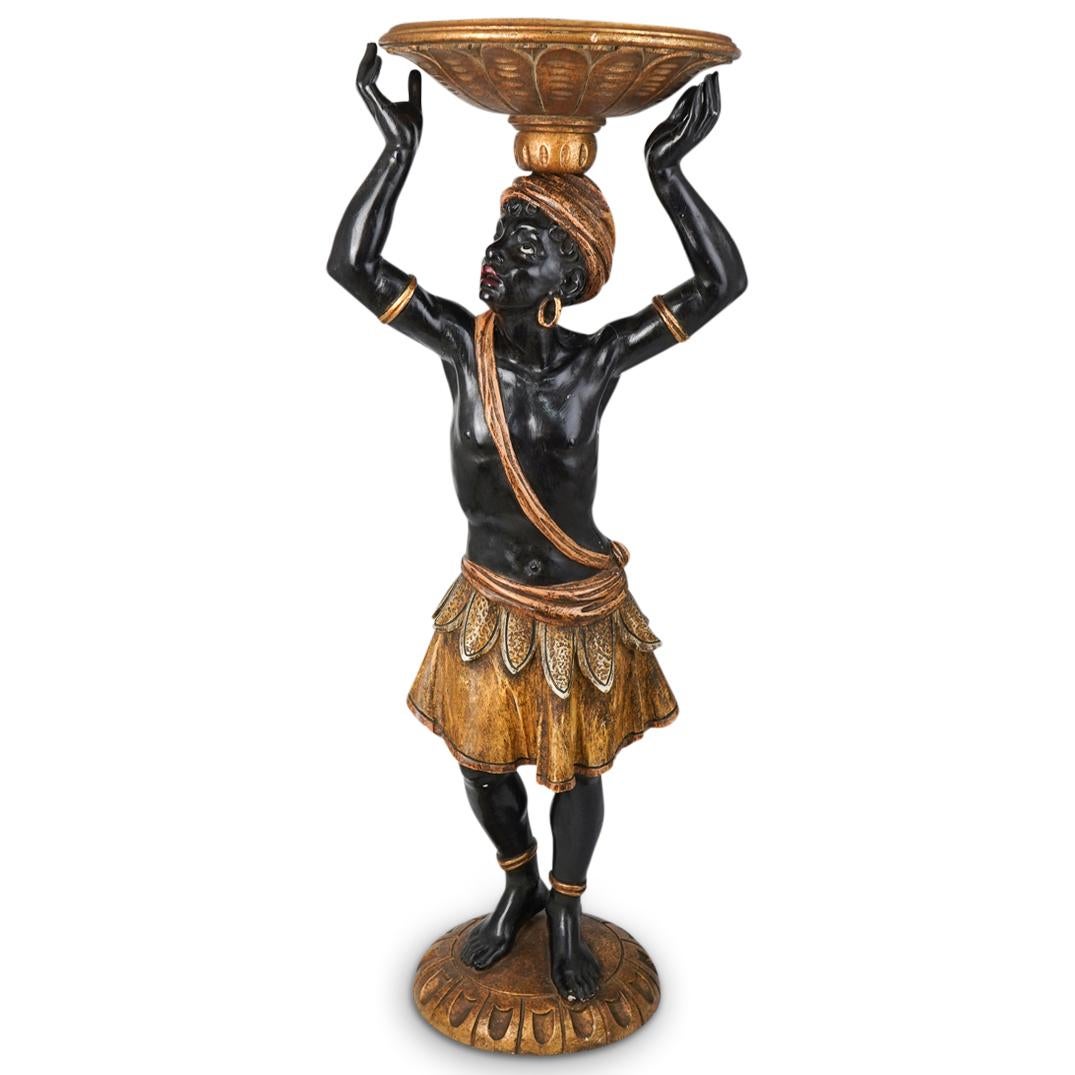
Antique Polychrome Blackamoor Pedestal composed of hand carved wood, depicting a male figure wearing traditional clothing and holding a serving tray. Displayed on round gilded base. Finished with ebonized overall hue along with age appropriate patina. The top tray is removable.
CIRCA: 19th/20th Ct
ORIGIN: European
DIMENSIONS: H:38″ W:12″
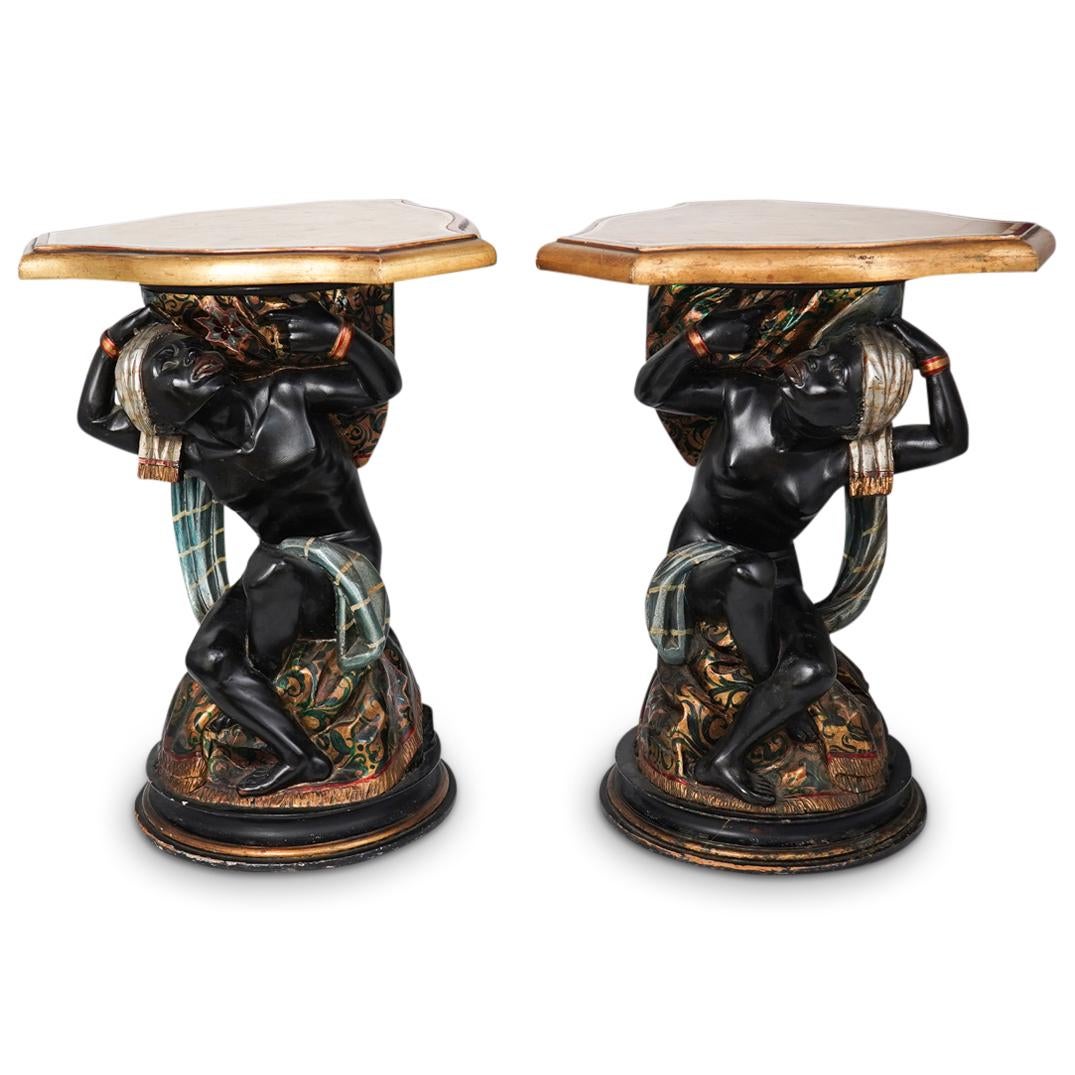
Antique Polychrome wood Blackamoor Pedestals. Featuring seated figures with crossed legs holding a three sided tray above their heads. Finished with ebonized overall hue along with age appropriate patina.
CIRCA: 19th/20th Ct
ORIGIN: European
DIMENSIONS: H:21″ W:17″
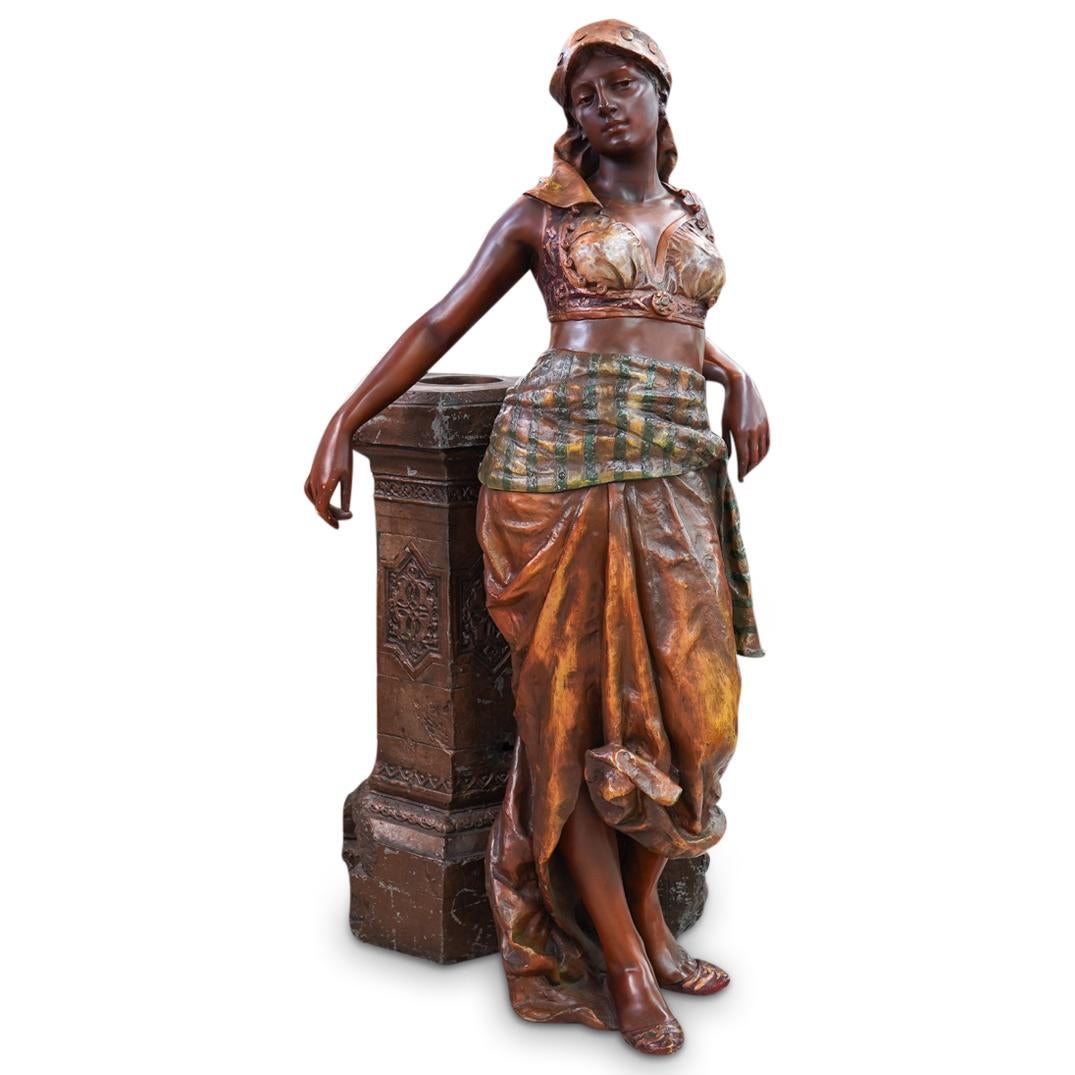
Large lifesize mix metal orientalist Polychrome Statue. Features an traditionally dressed exotic Middle Eastern maiden leaning against a decorative wall with oriental accents. The wall has a hole that can be used as a jardinier.
CIRCA: 20th Ct
ORIGIN: European
DIMENSIONS:H:62″ W: 26 D:27″
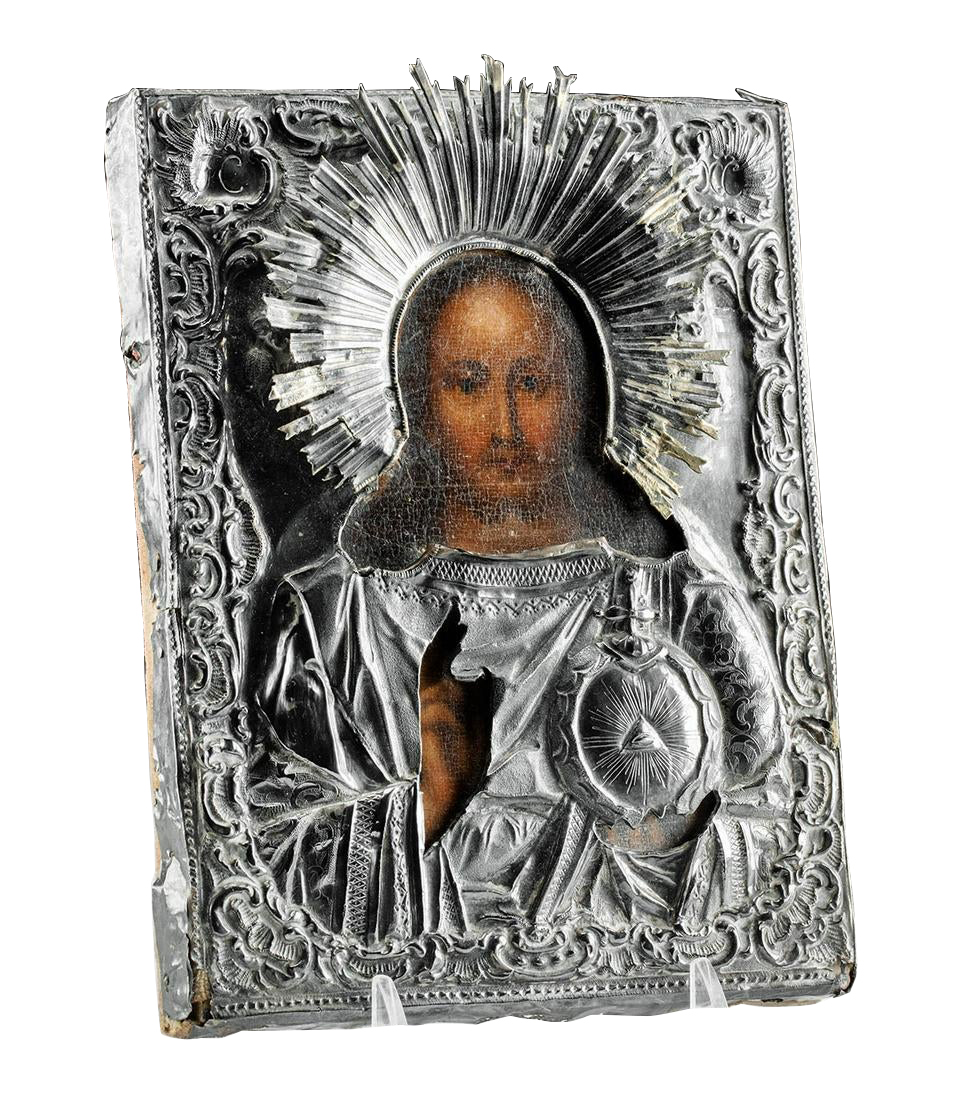
Eastern Europe, Russia, ca. 1849. A very special icon depicting Christ holding a globus cruciger (orb surmounted by a cross) that is adorned with the All Seeing Eye of God (also Eye of Providence) inscribed in a triangle (the triangle representing the Holy Trinity) in his left hand – signifying that the Almighty is keeping a watchful eye over his creation – and making a gesture of benediction with his right hand. The icon is finely painted in egg tempera on wood and covered with a magnificent silver oklad (also oclad or riza) traces of gilding on the radiating cut halo surrounding his visage. In addition to the halo, his robe and globus cruciger are expertly delineated in repousse with wonderful chased details as shown. All is surrounded by a lavish border adorned with a plethora of decorative flourishes as well as IC XC – the traditional Christogram derived from the Greek words “Jesus Christ”. Size: 7″ L x 5.5″ W (17.8 cm x 14 cm) Size: 7″ L x 5.5″ W (17.8 cm x 14 cm)
The oklad (also spelled oclad) or riza, sometimes referred to as a revetment in English, is a metal cover that not only protects the icon, but also serves to honor or venerate the figure(s) depicted on the icon. Oklads are usually adorned with skillfully cut, engraved, and/or repousse work and pierced to reveal elements of the underlying painting as we see in this example.
Icons (icon means “image” in Greek) are sacred objects within the Eastern Orthodox Christian tradition. Found in homes as well as churches, these painted images depict holy persons and saints as well as illustrate scenes from the Scriptures. Icons are not worshiped, but are instead venerated for their ability to focus the power of an individual’s prayer to God. As a focus for prayers and meditation for believers, icons serve as “windows into heaven.”
Lucite stand in photo not included.
Michele della Valle
Ruby and Diamond ‘Cuori’ Necklace
Designed as a line of graduated heart motifs, each centering an oval-shaped ruby, pavé-set with round diamonds.
Rubies weighing a total of approximately 25.10 carats
Diamonds weighing a total of approximately 34.70 carats
Length 16½ inches
Signed michele della valle
Numbered 11886, with maker’s mark
18 karat white gold
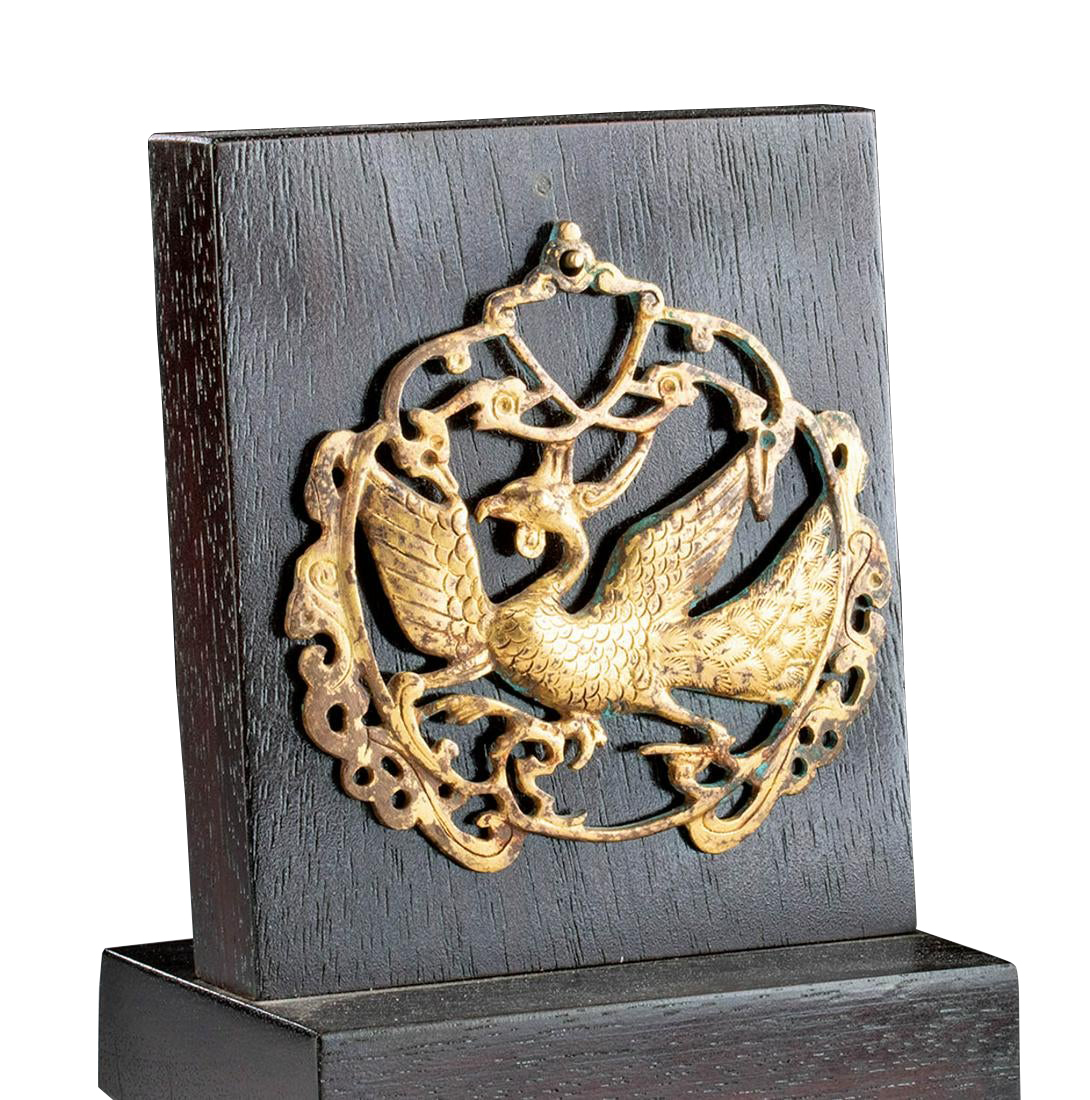
East Asia, Northern China, Manchuria / Inner Mongolia, Liao Dynasty, ca. 916 to 1125 CE. Extremely rare, a stunning gilded copper alloy plaque, perhaps a headdress ornament, depicting a Phoenix, presented in composite profile with outspread wings, finely delineated plumage, the magnificent bird’s head with a curved beak, a nicely delineated eye, as well as crest feathers and wonderful plumage. The mythical bird is surrounded by openwork of wonderful flourishes, and has an integral loop atop. Traditionally associated with the Empress, the phoenix is cherished for its symbolic and aesthetic value. This large reticulated gilt plaque boasts excellent detailing and ample remains of its original gilding. Quality of gilding: 41% gold. Size: 4″ W x 3.75″ H (10.2 cm x 9.5 cm); 6″ H (15.2 cm) on included custom stand.
According to legend, the phoenix is the most beautiful of all birds, called the feng huang, and the etymology of the name is derived from “emperor”. The phoenix will only appear in times of prosperity and peace, second only in the supernatural creatures of the Chinese pantheon to the dragon.