18 by 14 inches
PROVENANCE From the Collection of Olivia Newton-John
Rock ‘N’ Roll
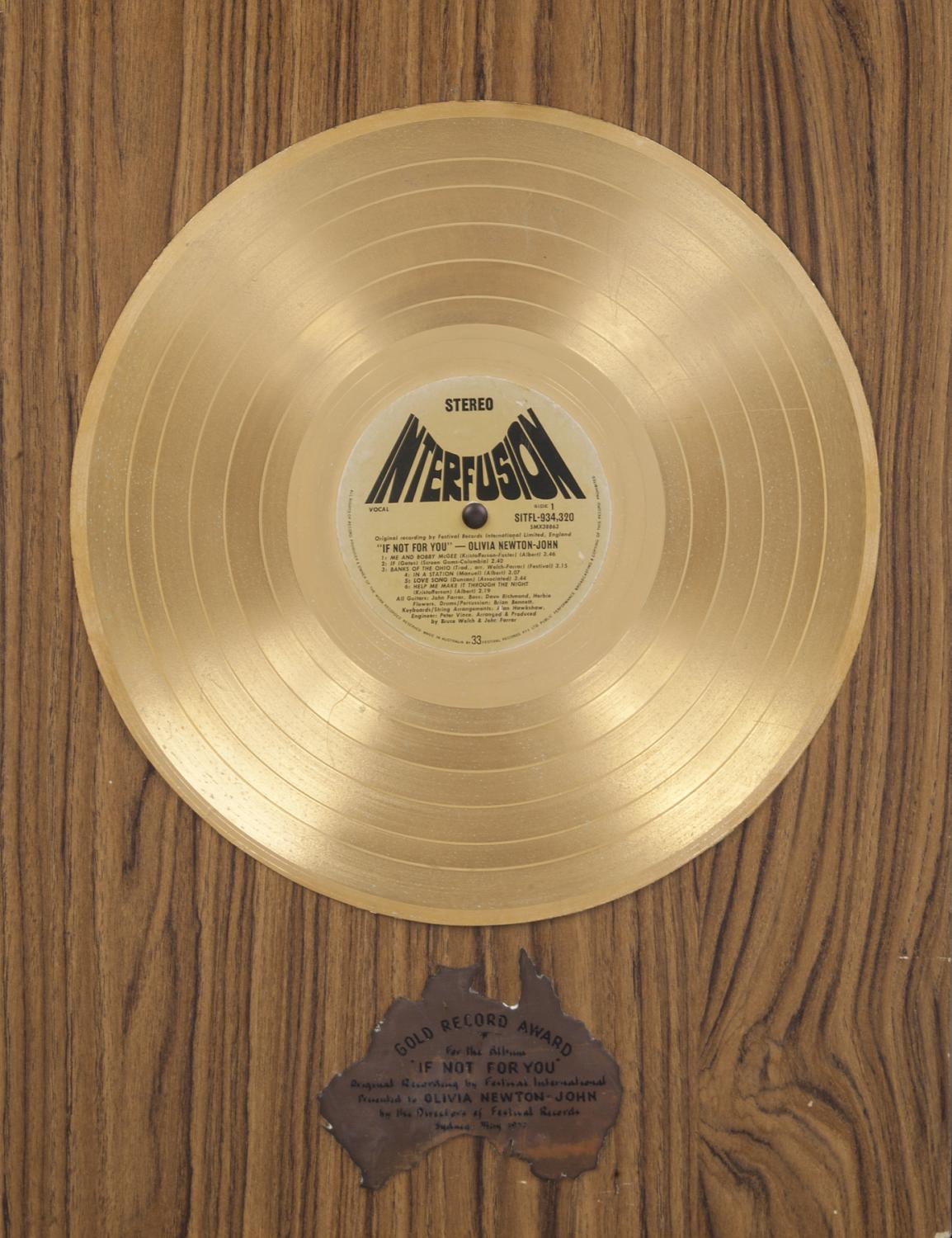
18 by 14 inches
PROVENANCE From the Collection of Olivia Newton-John
Rock ‘N’ Roll

DANIELA RIVERA, MFA 06
Accidental Memling Gul
360 h x 144 w
DESCRIPTION: oil on un-stretched canvas, installation. Part of the piece should go on the floor, a hybrid, a blend of cultural and historical elements that doesn’t respect its original sources. Its painted sky brings to mind the artifice of baroque strategies for the transformation of interior spaces. The introduction of the Memling rug into the carefully painted sky looks like it could be a spill or a splash. With this gesture, I blend traditions, histories, times, and meanings as if by “accident.” The piece was specifically planned to cover the entire exhibition wall and unfold onto the floor determining the circulation of visitors in the space. My intention was to create a sort of backdrop and allow for the visitors to participate and complete the image. Accidental Memling Gul is a continuation of my work with the accidental skies and adds a political and historical dimension to the already present psychological implications. This particular Memling rug was used in many of Hans Memling’s paintings including, among others, La Vierge à l’Enfant entre saint Jacques et saint Dominique and on St John Altarpiece
ARTIST STATEMENT: My work tangos with the process of baroque painting techniques and the presentational strategies and formal undertones of minimalist art, a contradiction in many ways but a world of possibilities for staging.

COBI MOULES, MFA 10
Cover Boys I
11 h x 16 w x 0.2 l
DESCRIPTION: oil on canvas panel. 3/16″ panel depth plus 1/4″ space from wall, unframed wall hanging
ABOUT THE ARTIST: Through painting and drawing, Moules’ work navigates his queer and trans identity. He often uses play and humor as a way of exploring multifaceted notions of the self, autonomy, and gratification. His work has been exhibited nationally including The Leslie Lohman Museum, The Minneapolis Institute of Art, the Jepson Center, Crystal Bridges Museum, Ogunquit Museum of American Art and Smack Mellon. Notable awards include the SMFA Traveling Fellowship, Ruth and Harold Chenven Foundation Grant, and the Joan Mitchell MFA Grant. His work is in the collections of the Museum of Fine Arts Boston, Crystal Bridges Museum, Leslie Lohman Museum, RISD Museum, Cornell Fine Arts Museum and 21c Museum. He has been an artist-in-resident at Bemis Center for Contemporary Art, Ucross Foundation, Kimmel Harding Nelson, Vermont Studio Center, Space Gallery, among others. He currently lives and works in Brooklyn, New York.

DOUG STARN AND MIKE STARN, Diploma
nomdes
64 h x 86 w
DESCRIPTION: archival inkjet prints on Gampi paper and varnish, unique, framed
ABOUT THE ARTISTS: “The Starns, who transmit a concentrated and quiet but highly charged energy, have been making art collaboratively as long as they can remember. And, the phenomenon of being identical twins—connected through biology, memory, and imagination—suffuses their artistic ideas. … When they entered the art scene in the 1980s, they became known for collage-like photographic mosaics constructed from roughly cut or torn images, … which they printed on silver gelatin papers, soaked in toner, and joined together with Scotch Tape. The work explores a theory of vision as something comprehended through perception. Gestural and raw, it is also delicately layered and has served as a foundation for everything they’ve done since. In fact, they talk about their art as a rhizomatic structure: ‘always finished, but never complete,’ ideas translating project to project, regardless of medium or material.” —Frances Brent, Modern Magazine
Doug and Mike Starn are collaborative American artists and identical twins. Working across photography, printmaking, and sculptural installations, their work poses questions about existence and its central primacy in our lives. Their photo-based mixed-media works include unconventional materials such as Plexiglas, wood, nails, and transparency film, allowing them to reinterpret images from art history, and incorporate them into their own aesthetic. “We’re trying to show that photography isn’t an image, it’s a three-dimensional object,” they have explained. “It can have the same kind of growth and limitations or non-limitations as the other arts. It doesn’t have to be confined to a craft, or simply the photographer’s eye and then the skill of printing.” Their recent work has dealt mainly with notions of light and dark both as perceivable phenomena and psychological states, manifesting itself in photographs of moths and silhouettes of bare branches. They were born in 1961 in New Jersey and have been collaborating since the age of 13. The brothers went on to study at the School of the Museum of Fine Arts in Boston before moving to New York City in the 1980s. Today, the Starns’ works are in the collections of The Museum of Modern Art in New York, the San Francisco Museum of Modern Art, the National Gallery of Victoria in Melbourne, and the Moderna Museet in Stockholm, among others. The artists live and work in Beacon, NY.

DOUG STARN AND MIKE STARN, Diploma
This image is a representation of what can be printed – this can be commissioned
72 x 72”
ABOUT THE ARTISTS: “The Starns, who transmit a concentrated and quiet but highly charged energy, have been making art collaboratively as long as they can remember. And, the phenomenon of being identical twins—connected through biology, memory, and imagination—suffuses their artistic ideas. … When they entered the art scene in the 1980s, they became known for collage-like photographic mosaics constructed from roughly cut or torn images, … which they printed on silver gelatin papers, soaked in toner, and joined together with Scotch Tape. The work explores a theory of vision as something comprehended through perception. Gestural and raw, it is also delicately layered and has served as a foundation for everything they’ve done since. In fact, they talk about their art as a rhizomatic structure: ‘always finished, but never complete,’ ideas translating project to project, regardless of medium or material.” —Frances Brent, Modern Magazine
Doug and Mike Starn are collaborative American artists and identical twins. Working across photography, printmaking, and sculptural installations, their work poses questions about existence and its central primacy in our lives. Their photo-based mixed-media works include unconventional materials such as Plexiglas, wood, nails, and transparency film, allowing them to reinterpret images from art history, and incorporate them into their own aesthetic. “We’re trying to show that photography isn’t an image, it’s a three-dimensional object,” they have explained. “It can have the same kind of growth and limitations or non-limitations as the other arts. It doesn’t have to be confined to a craft, or simply the photographer’s eye and then the skill of printing.” Their recent work has dealt mainly with notions of light and dark both as perceivable phenomena and psychological states, manifesting itself in photographs of moths and silhouettes of bare branches. They were born in 1961 in New Jersey and have been collaborating since the age of 13. The brothers went on to study at the School of the Museum of Fine Arts in Boston before moving to New York City in the 1980s. Today, the Starns’ works are in the collections of The Museum of Modern Art in New York, the San Francisco Museum of Modern Art, the National Gallery of Victoria in Melbourne, and the Moderna Museet in Stockholm, among others. The artists live and work in Beacon, NY.
IMPORTANT NOTICE: As a formal appreciation we are offering a special discount of 10% and free delivery (within the US) if you win more than 5 lots, and a special discount of 20% and free delivery (within the US) if you win more than 10 lots. All discounts will be calculated on the value of the hammer price (not on sale tax or buyers premiums).
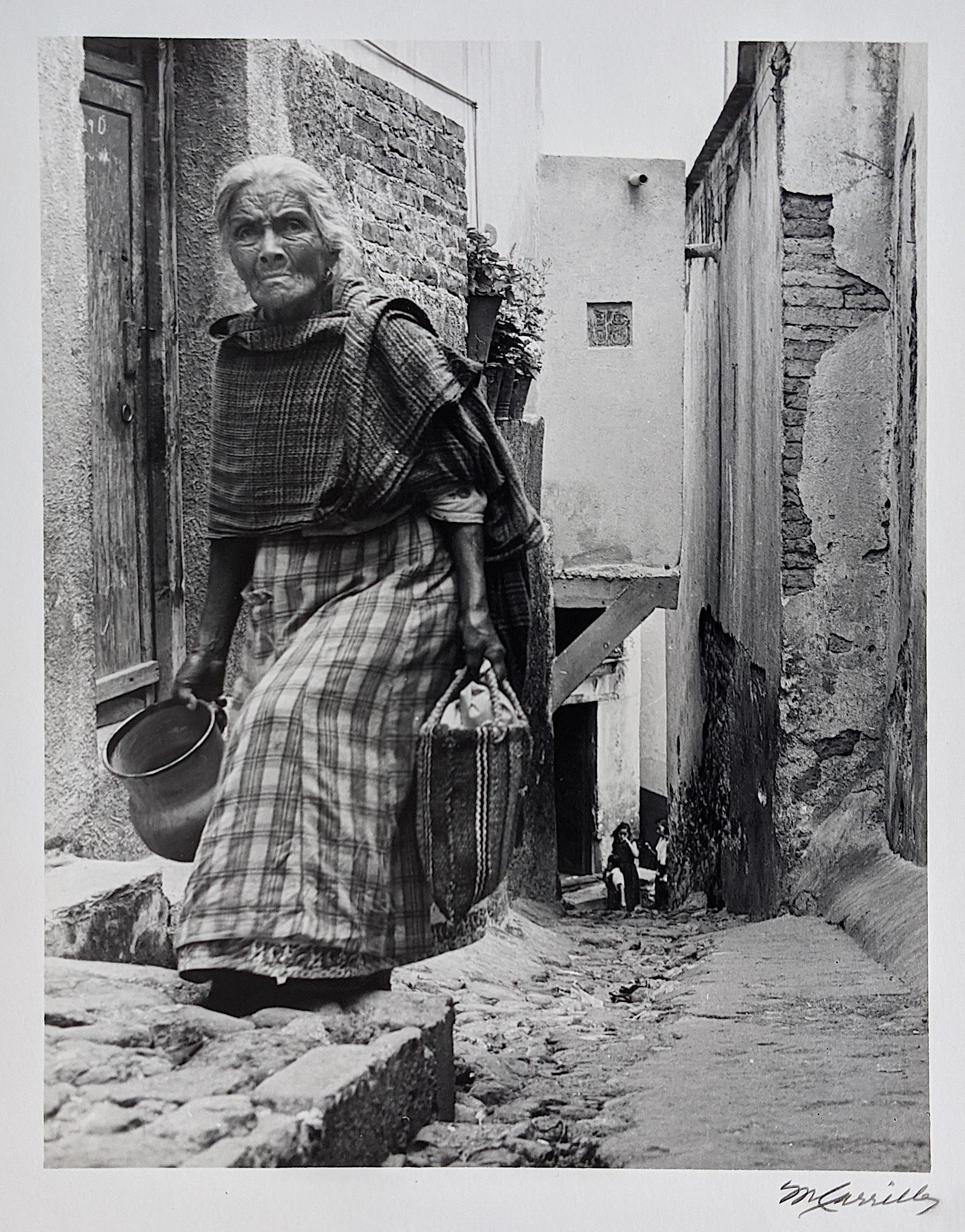
Manuel Carrillo began making photographs in 1955 at the age of 49, devoting himself to documenting the indigenous culture of Mexico through informal portraits and depictions of everyday activities. In pursuing this focus he embraced the ideas of Mexicanidad, a cultural movement that emerged in the 1920s after Mexico’s Revolution and which included influential writers, photographers, and artists, such as Frida Kahlo and Diego Rivera. Its overriding ambition was to substantiate a national identity by purging colonial and any other foreign influence from current art. Decades later Carrillo built on this tradition in his photographic practice—as did many of his contemporaries—and an anthropologist’s curiosity is evident in his work. Nevertheless, his pictures are as much a celebration of the human spirit as a record of local rituals and practices. Certain motifs appear throughout Carrillo’s images, such as stray dogs, children on the street, and groups of workers, but he portrays these figures tenderly and without a sense of melodrama, refraining from a moralizing representation of social classes in poverty.
Carrillo was influenced by American Modernist photographers like Edward Weston—who had lived in Mexico between 1923 and 1926—and his photographs reflect a similarly close attention to form and composition. Carrillo represents his subjects in a solicitous manner, searching for a national cultural identity, but his use of the photographic medium equally balances its aesthetic qualities with its documentary potential. The MoCP holds a substantial number of Carrillo’s photographs in the permanent collection, most made between the mid-fifties and the mid-seventies, representing Carrillo’s stylistic range. In images such as Guanajuato, Guanajuato, 1960, and Zacapoaxtle, Puebla, 1970, Carrillo uses deep shadows and bright highlights to create a strong sense of geometry in the composition while accentuating the placement of the central figure. In these pictures and others he carefully balances the person with their surroundings to formal effect or to simply provide a sense of locale. Meanwhile, many of his portraits are more tightly framed, such as Santa Rosa, Guanajuato, 1960, accenting the subject’s expression or attire. Others employ unusual camera angles, as in Mexico City, D.F., 1961, a view of a mother and child from overhead.
Carrillo was born in 1906 in Mexico City. After graduating from the Mexican Military Academy, he lived in New York City for a number of years before returning to his home city, where he worked in the tourist industry and then for the Illinois Central Railroad. In 1955 Carillo joined the Club Fotográfico de México—the country’s primary amateur and professional photography organization—and learned photographic techniques and darkroom printing processes. Carillo had his first international exhibition in 1960, entitled Mi Pueblo (My People), at the Chicago Public Library. Carrillo died in Mexico City in 1989 at the age of 83. A large number of his prints and negatives are now housed at the Special Collections of the University of Texas at El Paso.
The dimensions are Approx. 14″x 11″ (paper). This lot is located in Boca Raton, Fl and its shipment will be made directly by Artelisted. Shipping insurance is the responsibility of the buyer. Ask us if you want to add insurance cost. Note that if there is loss or damage due to bad handling by the transporter, this loss will be assumed only by the buyer. Enquires are welcome, do not hesitate to contact us at your convenience, we are looking to providing you with an excellent service.
IMPORTANT NOTICE: As a formal appreciation we are offering a special discount of 10% and free delivery (within the US) if you win more than 5 lots, and a special discount of 20% and free delivery (within the US) if you win more than 10 lots. All discounts will be calculated on the value of the hammer price (not on sale tax or buyers premiums).
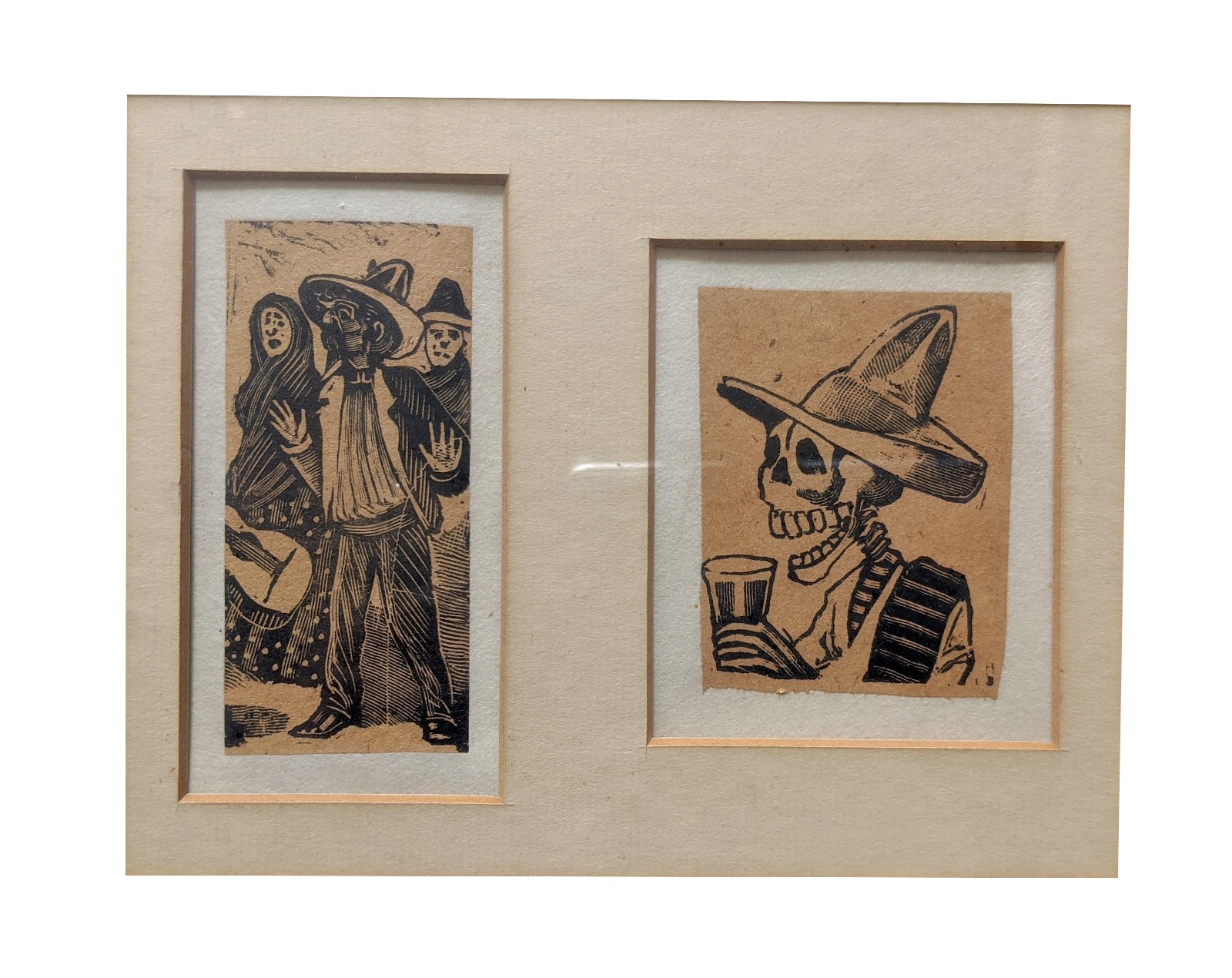
Title: Head of a Skeleton with Hat and Glass and Three Figures and a Guitar. Provenance: Art Institute of Chicago Catalogue (1944). The dimensions are Approx. 11.75″x 14.75″ (frame); 4,25″ x 5.5″ Engraving. José Guadalupe Posada Aguilar (1852 – 1913) was a Mexican political lithographer who used relief printing to produce popular illustrations. His work has influenced numerous Latin American artists and cartoonists because of its satirical acuteness and social engagement. He used skulls, calaveras, and bones to convey political and cultural critiques. Among his most enduring works is La Calavera Catrina.
He began to work with Antonio Vanegas Arroyo, until he was able to establish his own lithographic workshop. From then on Posada undertook work that earned him popular acceptance and admiration, for his sense of humor, and propensity concerning the quality of his work. In his broad and varied work, Posada portrayed beliefs, daily lifestyles of popular groups, the abuses of government and the exploitation of the common people. He illustrated the famous skulls, along with other illustrations that became popular as they were distributed to various newspapers and periodicals.
In 1883, following his success, he was hired as a teacher of lithography at the local Preparatory School. The shop flourished until 1888 when a disastrous flood hit the city. He subsequently moved to Mexico City. His first regular employment in the capital was with La Patria Ilustrada, whose editor was Ireneo Paz, the grandfather of the later famed writer Octavio Paz. He later joined the staff of a publishing firm owned by Antonio Vanegas Arroyo and while at this firm he created a prolific number of book covers and illustrations. Much of his work was also published in sensationalistic broadsides depicting various current events.
From the outbreak of the Mexican Revolution in 1910 until his death in 1913, Posada worked tirelessly in the press. The works he completed in his press during this time allowed him to develop his artistic prowess as a draftsman, engraver and lithographer. At the time he continued to make satirical illustrations and cartoons featured in the magazine, El Jicote. He played a crucial role for the government during the presidency of Francisco I Madero and during the campaign of Emiliano Zapata.
This lot is located in Boca Raton, Fl and its shipment will be made directly by Artelisted. Shipping insurance is the responsibility of the buyer. Ask us if you want to add insurance cost. Note that if there is loss or damage due to bad handling by the transporter, this loss will be assumed only by the buyer. Enquires are welcome, do not hesitate to contact us at your convenience, we are looking to providing you with an excellent service.
Description: IMPORTANT NOTICE: As a formal appreciation we are offering a special discount of 10% and free delivery (within the US) if you win more than 5 lots, and a special discount of 20% and free delivery (within the US) if you win more than 10 lots. All discounts will be calculated on the value of the hammer price (not on sale tax or buyers premiums).
This is an auction with a low starting bids and without reserves.
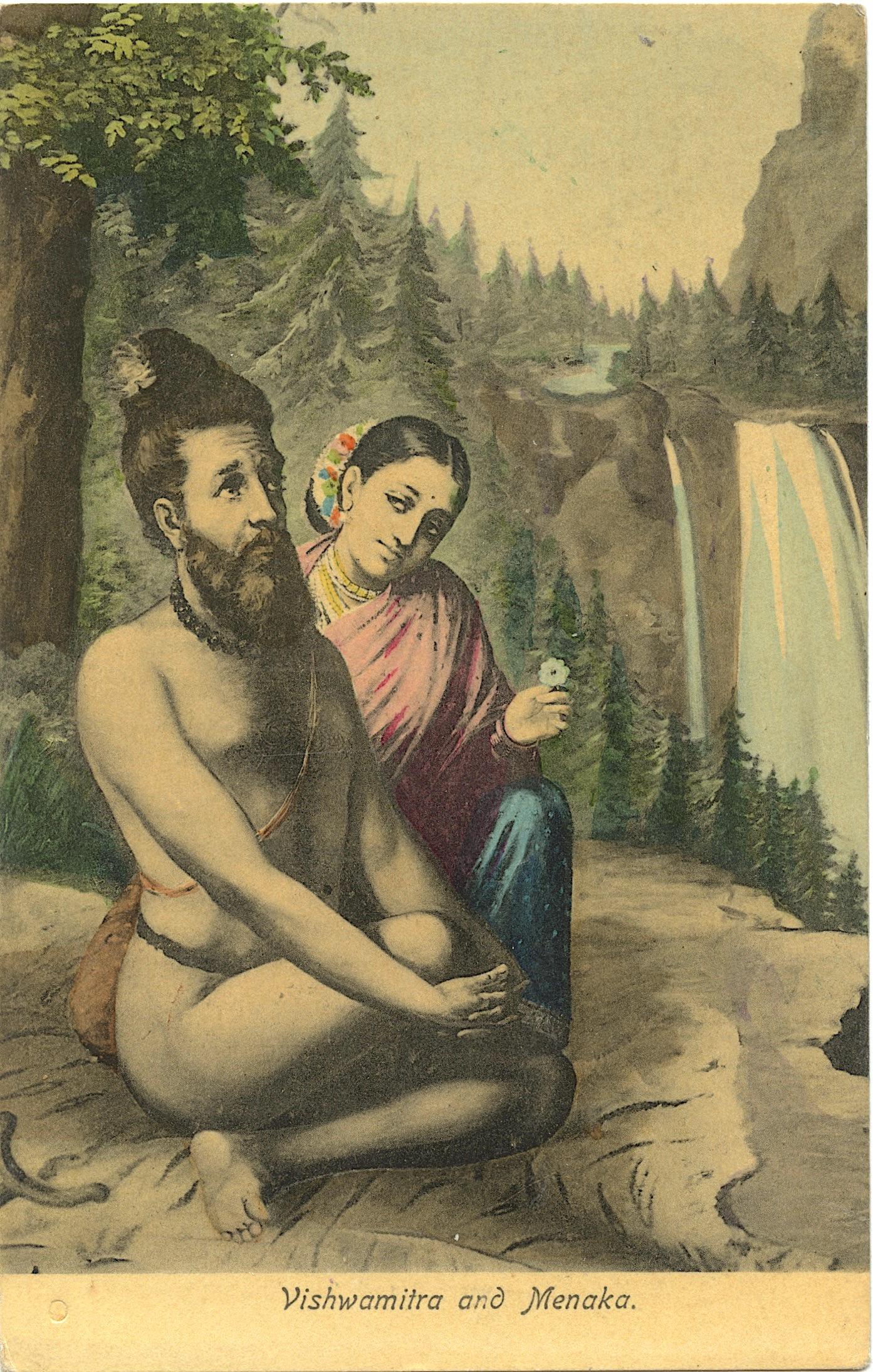
The dimensions are Approx. 5.5″x 3.5″ (small variances can occur). This lot is located in Boca Raton, Fl and its shipment will be made directly by Artelisted. Shipping insurance is the responsibility of the buyer. Ask us if you want to add insurance cost. Note that if there is loss or damage due to bad handling by the transporter, this loss will be assumed only by the buyer. Enquires are welcome, do not hesitate to contact us at your convenience, we are looking to providing you with an excellent service.
Condition: The lots offered in this sale have been selected among many options and always thinking of offering excellent opportunities to the customers. The vast majority are original of the time (unless otherwise indicated). Due to its originality and age, some items may accept a restoration/conservation (at the option of the buyer). We have included images showing its current condition. Do not hesitate to contact us if you have any questions.
IMPORTANT NOTICE: As a formal appreciation we are offering a special discount of 10% and free delivery (within the US) if you win more than 5 lots, and a special discount of 20% and free delivery (within the US) if you win more than 10 lots. All discounts will be calculated on the value of the hammer price (not on sale tax or buyers premiums).
This is an auction with a low starting bids and without reserves.
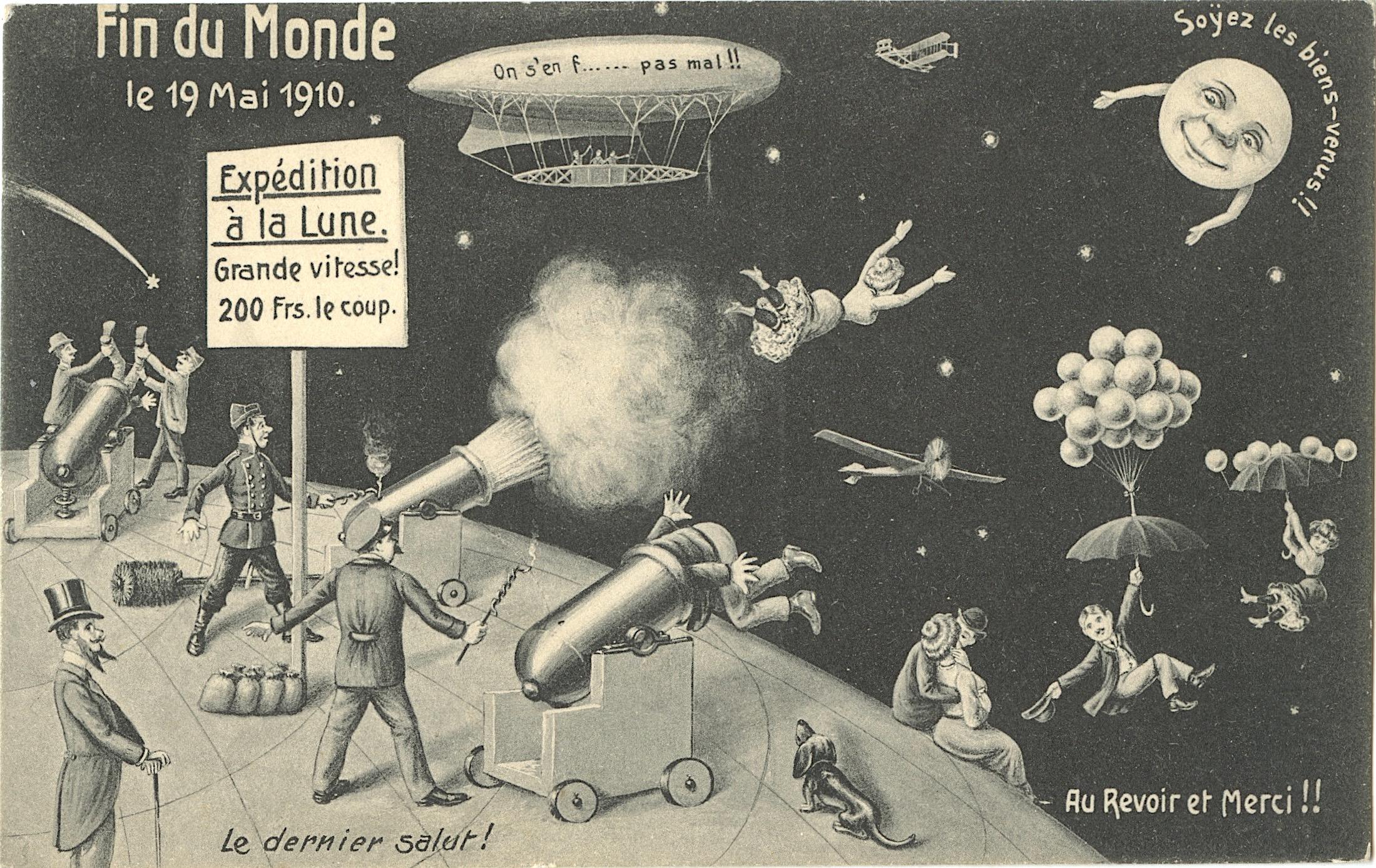
The dimensions are Approx. 5.5″x 3.5″ (small variances can occur). This lot is located in Boca Raton, Fl and its shipment will be made directly by Artelisted. Shipping insurance is the responsibility of the buyer. Ask us if you want to add insurance cost. Note that if there is loss or damage due to bad handling by the transporter, this loss will be assumed only by the buyer. Enquires are welcome, do not hesitate to contact us at your convenience, we are looking to providing you with an excellent service.
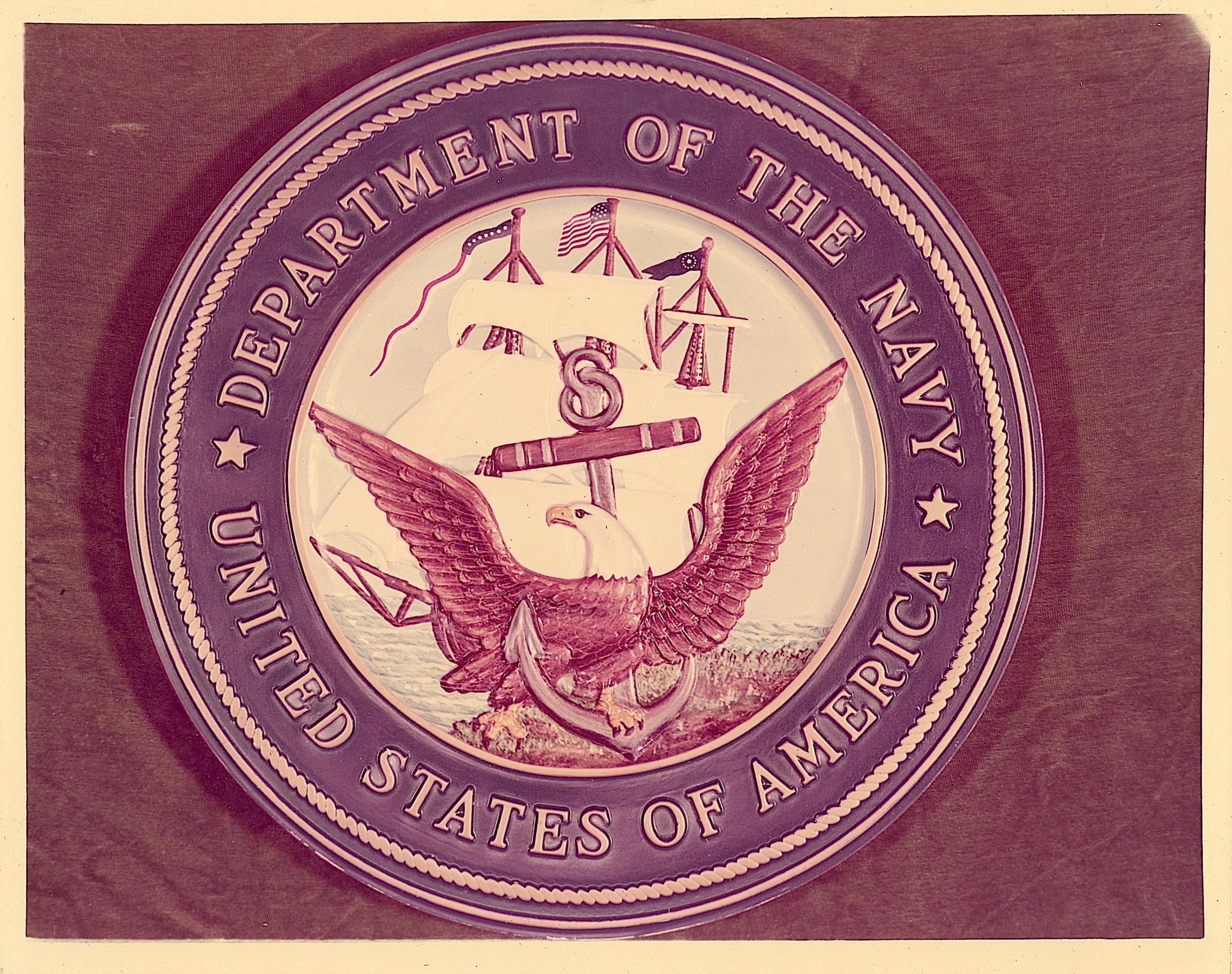
IMPORTANT NOTICE: As a formal appreciation we are offering a special discount of 10% and free delivery (within the US) if you win more than 5 lots, and a special discount of 20% and free delivery (within the US) if you win more than 10 lots. All discounts will be calculated on the value of the hammer price (not on sale tax or buyers premiums).The lots of this auction are located in Boca Raton, Fl and their shipment will be provided directly by Artelisted. The shippings will be via USPS First Class or Priority Mail (with a tracking number). The shipping insurance is not included and it is the buyers reponsibility. Ask us if you want to add insurance cost. Note that if there is loss or damage due to bad handling by the transporter, this loss will be assumed only by the buyer.
This photo was printed in KODAK Paper (The printing KODAK PAPER was commonly used in the 1960s and early 1970s) and in our opinion it is original from the negative. the paper dimensions are 8″ x 10″.