Works from the Artist’s Estate to Make Auction Debut in Sotheby’s Online SaleOpen for Bidding from 10 – 17 June
“You can never understand every work of art completely. Each time you encounter it you have a new experience. The mystery is in this elusiveness”
WILLIAM TURNBULL
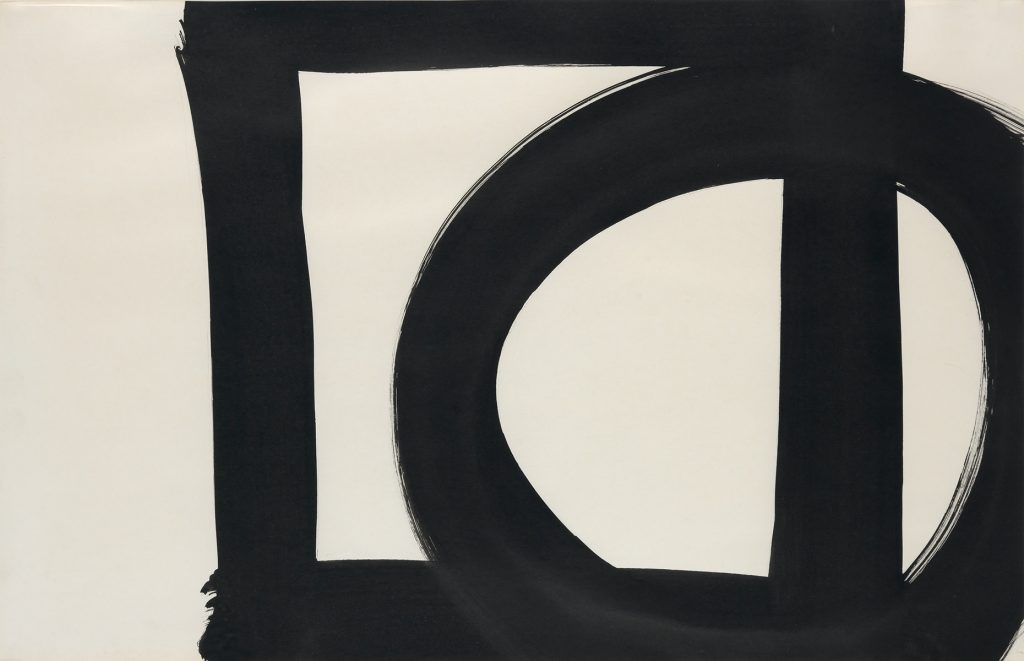
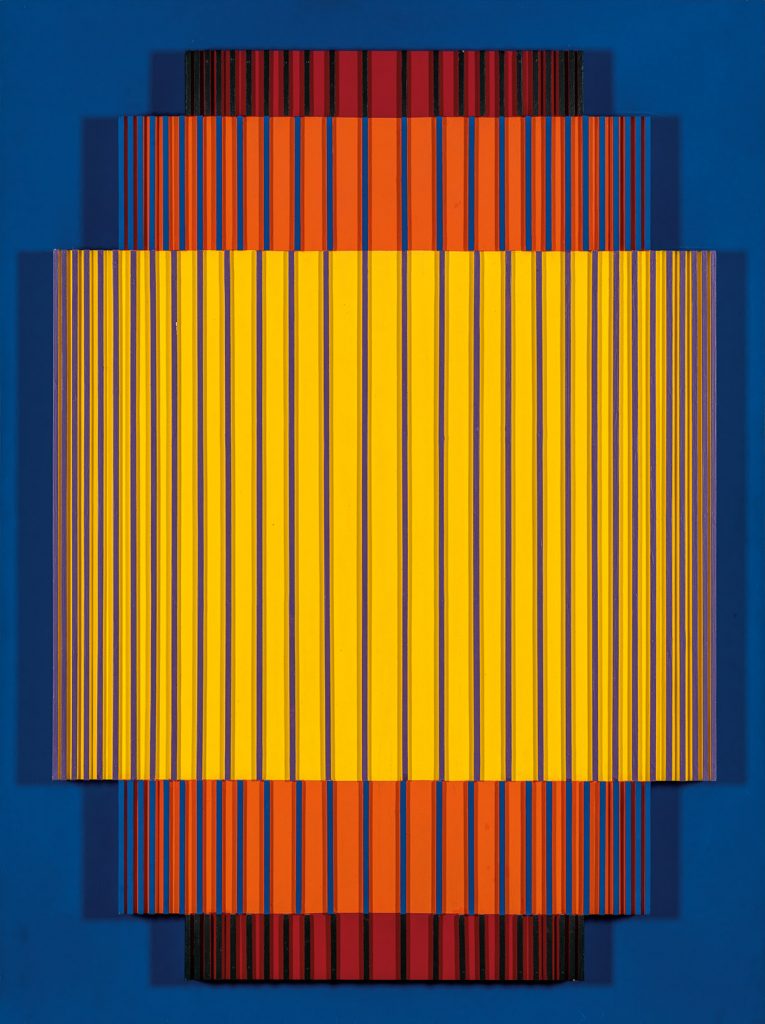
William Turnbull is one of the most influential Modern British artists of the 20th century. Best known for his timeless sculptures, this dedicated auction will reveal that painting and drawing were just as vital to his practice as an artist. Whether working in bronze or wood, oil or acrylic, on the etching plate, lithographic stone or with linocut, Turnbull’s endless quest to innovate is always in evidence.
The online sale, open from 10 – 17 June, will offer forty-four works previously unseen at auction,in collaboration with Offer Waterman who represent the artist’s estate. Highlights range from Turnbull’s rarely seen graphic work from the early 1950s, through to powerful abstract paintings, works on paper and lithographs made in the 1980s and 90s, alongside three of his signature sculptures. Combining ancient symbols with modernist simplicity, these direct images speak about the human condition, beyond time and without geographical boundary, bound together by a deceptively pared-down sensibility described by an early critic as ‘The Eternal Now’.
Born in Dundee in 1922, Turnbull was fascinated by art from an early age, learning to draw by diligently copying illustrations from magazines. After the outbreak of the Second World War, a seventeen-year-old Turnbull left to serve as a pilot in the RAF and was enveloped in a new spatial sensation in the skies. On his return, he was accepted in the Slade School of Fine Art in 1946. This auction traces the artist’s journey from the early influences of his time in Paris in 1948 – where he met the likes of Alberto Giacometti, Constantin Brancusi and Paul Klee in the cafés of the Left Bank and in their studios – to his international breakthrough at the Venice Biennale in 1952 and his blazing engagement with Abstract Expressionism as he met pioneers Mark Rothko and Barnett Newman in New York in the late 1957. Alongside retrospectives at the Tate, Whitechapel Art Gallery, Yorkshire Sculpture Park and Chatsworth House, his influence can perhaps best be encapsulated by regular appearances of his sculptures in David Hockney’s iconic 60s paintings of California art collectors, most famously the Art Institute of Chicago’s American Collectors (Fred & Marcia Weisman), proof of his burgeoning international reputation back in the day.
Sale on 19 June to be Led by Claude Lalanne, Jean Dunand, Edmund de Waal, Marc Newson, and Shiro Kuramata
LONDON – 3 JUNE 2020 – Following a rescheduled Spring season of sales, Phillips is pleased to announce that live auctions will resume in London with the upcoming Design auction on 19 June. The pre-sale public viewing is currently set to happen by appointment only from 15 to 19 June, with the safety of clients and employees being the top priority. Collectors will also be welcomed into the saleroom remotely with a digitally enhanced viewing experience. Comprising 175 lots, the sale presents significant works from key periods of 20th and 21st century design, from French Art Deco and Contemporary through to Italian and Nordic Design, as well as British Studio ceramics.
Domenico Raimondo, Head of Design, Europe and Senior International Specialist, said: “Live sales continue to be a cornerstone of our business therefore it is with great joy that we are able to stage a full-scale preview of these exceptional works. Virtual tours will also enable collectors to ‘visit’ the preview exhibition and view the works in conversation with each other within the gallery. This June we are delighted to present a carefully curated selection of works celebrating design in its many forms and reflecting Phillips’ approach to giving a fresh perspective to traditional collecting categories. Following the successes of 2019, which demonstrated strong international demand for Italian and French Post-War design, we are offering exceptional examples of Italian Pre and Post-War design by Gio Ponti, Carlo Mollino, and including significant examples of French Art Deco from Albert Cheuret and Jean Dunang among others.”
Claude Lalanne
Unique low table, 1998
Estimate: £250,000 – 350,000
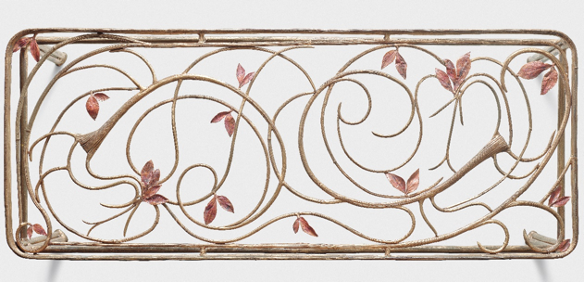
Leading the sale is Claude Lalanne’s Unique low table which is composed from patinated bronze and copper in the form of interwoven vines, depicting the silhouettes of two tropical birds whose feathered heads double as groups of leaves. Designed in 1998 for a patron’s home in the Caribbean, the table reflects how Lalanne preferred to create unique pieces for individual clients around the world, most famously for Yves Saint Laurent and Salvador Dalí. Lalanne operated intuitively, taking inspiration from the gardens in Ury, France that surrounded her home and studio, where she made the present lot. This unique table reveals Lalanne’s imagination in full force, as it magnifies and extends the beauty of the tropics into a luxurious interior.
Jean Dunand
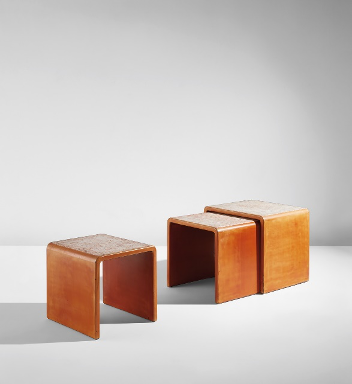
Set of three nesting tables, circa 1925
Estimate: £120,000 – £150,000
Born in Switzerland in 1877, Jean Dunand studied sculpture before moving to Paris where he apprenticed under the Art Nouveau artist Jean Dampt, working as a sculptor until 1907. In 1912, Dunand was among the first Western designers to begin working with natural lacquer, using traditional processes to develop the rare material which he applied as decoration for small objects and furnishings. Dunand also experimented with creating lacquered silk dresses and designs for couturiers including Jeanne Lanvin and Madeleine Vionnet. The present set of Art Deco nesting tables illustrates Dunand’s elegant eggshell lacquered furniture, which combines organic simplicity of form with increasingly stylised decoration. Descending across the three tabletops, the design features a geometric pattern integrated into the curved structure of the tables.
Edmund de Waal
Kamen, 2012
Estimate: £150,000 – £200,000
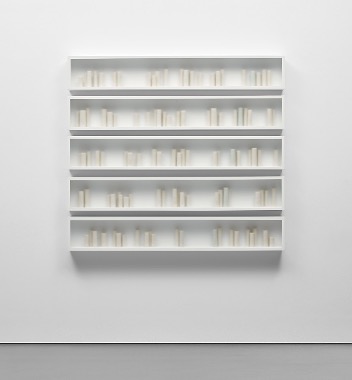
Edmund de Waal’s Kamen consists of five cabinets containing 115 round hand-thrown porcelain pots. The vessels are between two and four inches tall, arranged in five to seven groups per cabinet, and from two to nine pots per group. It is an intricate numerology, suggesting either a mathematical problem or a musical composition. De Waal’s first arrangements of pots were often set within carefully calibrated installations located in historic venues. In 2007, he realised three such projects: at Kettle’s Yard, Cambridge; MIMA, in Middlesbrough; and Chatsworth, later realising Signs & Wonders, a permanent installation for the Victoria and Albert Museum. The present work is a more portable installation and can be situated on any wall.
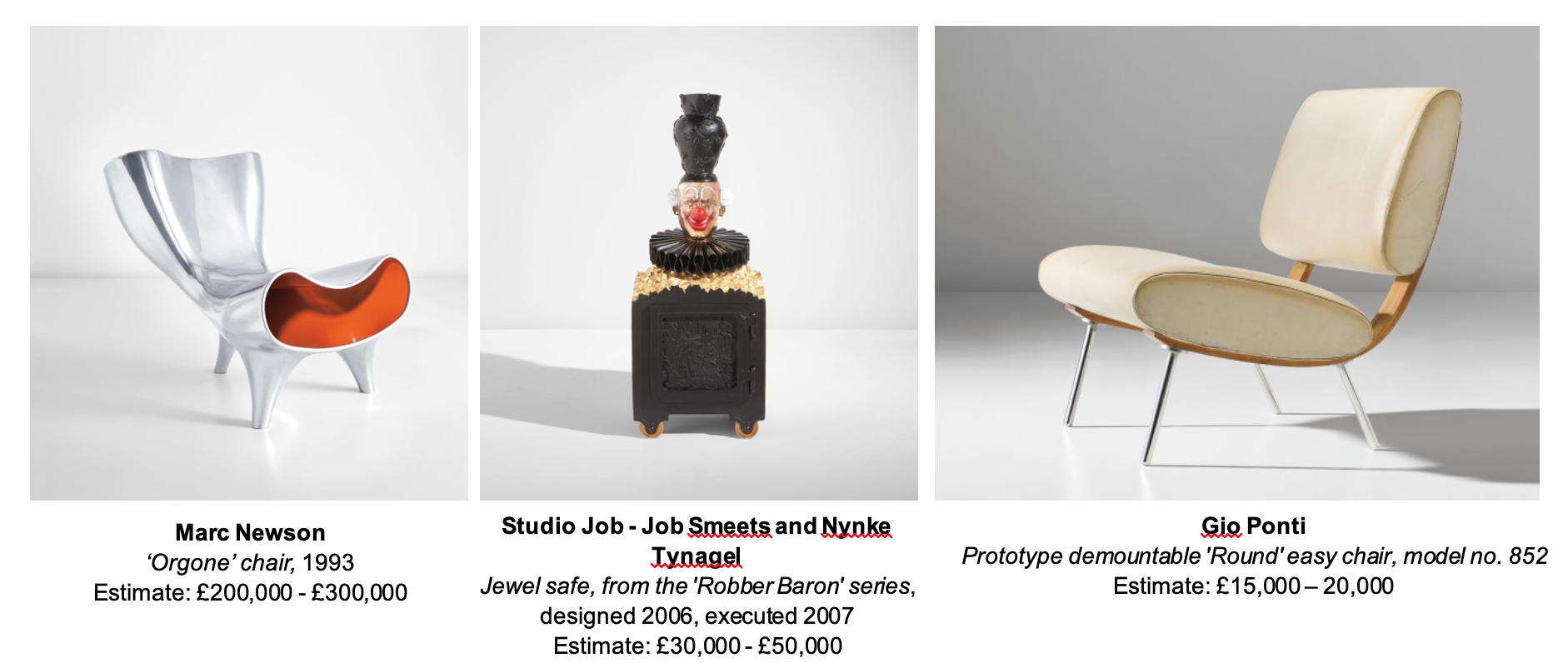
Among the contemporary highlights to feature is Marc Newson’s 1993 ‘Orgone’ chair. More so than any of his other designs, the ‘Orgone’ chair channels Newson’s lifelong fascination with the streamlined ‘Continental look’ that characterises many classic Italian sports cars of the 1950s and 60s. A collector of rare vintage racing cars, Newson demonstrates the influence of the shape, speed and symbolism of those cars through his designs. The present chair is made up of compound curves which cradle the sitter’s body before swelling into fender-like contours at either end. With its sculptural shape and seamless aluminium surface, the ‘Orgone’ chair recalls the aerodynamic forms made possible by Italian car design techniques.
Shiro Kuramata
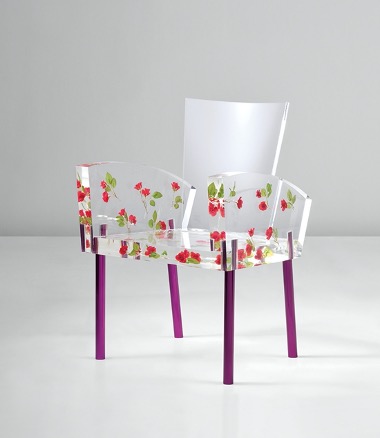
‘Miss Blanche’ chair, designed 1988, executed 1991
Estimate: £200,000 – £300,000
Shiro Kuramata first exhibited his now iconic ‘Miss Blanche’chair in 1988. Created in homage to Miss Blanche DuBois in Tennessee Williams’ play, A Streetcar Named Desire, which Kuramata had seen earlier that year, this design initiated a series of works in acrylic. The chair’s arms and backrest comprise gentle curves whilst the overall structure retains a sharpness, interrupted by the asymmetrical pattern of the artificial roses. Kuramata’s designs were not conceived for serial production and were therefore produced in limited numbers, reflecting the importance of craftsmanship in his work. The present ‘Miss Blanche’ chair is number 21 from the edition of 56, executed in 1991—the year of Kuramata’s death. Examples of the ‘Miss Blanche’ chair are held in the permanent collection of international museums, including the Vitra Design Museum; Museum of Modern Art, New York; and the Museum of Modern Art, San Francisco.
Further highlights include works by Alberto Giacometti, Axel Salto, Italian Post-War design including Fontana Arte and Studio BBPR, and Contemporary designers including Studio Job – Job Smeets and Nynke Tynagel.
Alberto Giacometti‘Tête de femme’ table lamp, designed circa 1934, later castEstimate: £100,000 – £150,000
STUDIO BBPRUnique ceiling light, circa 1962Estimate: £60,000 – £80,000
Studio Job – Job Smeets and Nynke TynagelTable, from the ‘Robber Baron’ series, designed 2006, executed 2007Estimate: £50,000 – £70,000
Axel SaltoUnique vase in ‘Den Spirende Stil’ (The Sprouting Style), 1942Estimate: £30,000 – £40,000
Phillips is a leading global platform for buying and selling 20th and 21st century art and design. With dedicated expertise in the areas of 20th Century and Contemporary Art, Design, Photographs, Editions, Watches, and Jewelry, Phillips offers professional services and advice on all aspects of collecting. Auctions and exhibitions are held at salerooms in New York, London, Geneva, and Hong Kong, while clients are further served through representative offices based throughout Europe, the United States and Asia. Phillips also offers an online auction platform accessible anywhere in the world. In addition to providing selling and buying opportunities through auction, Phillips brokers private sales and offers assistance with appraisals, valuations, and other financial services.
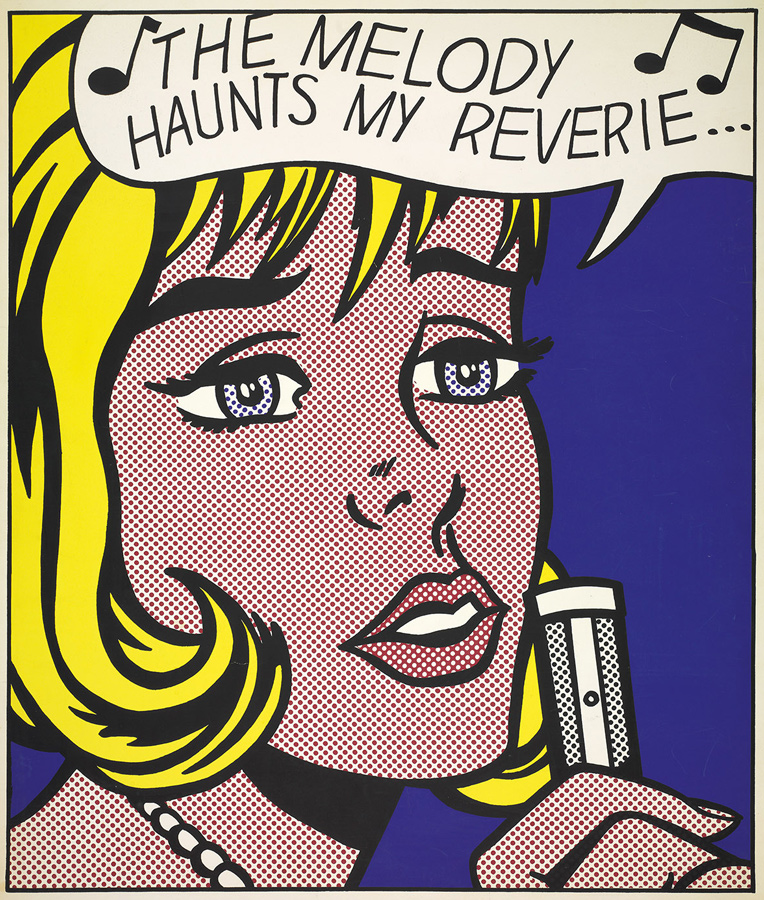
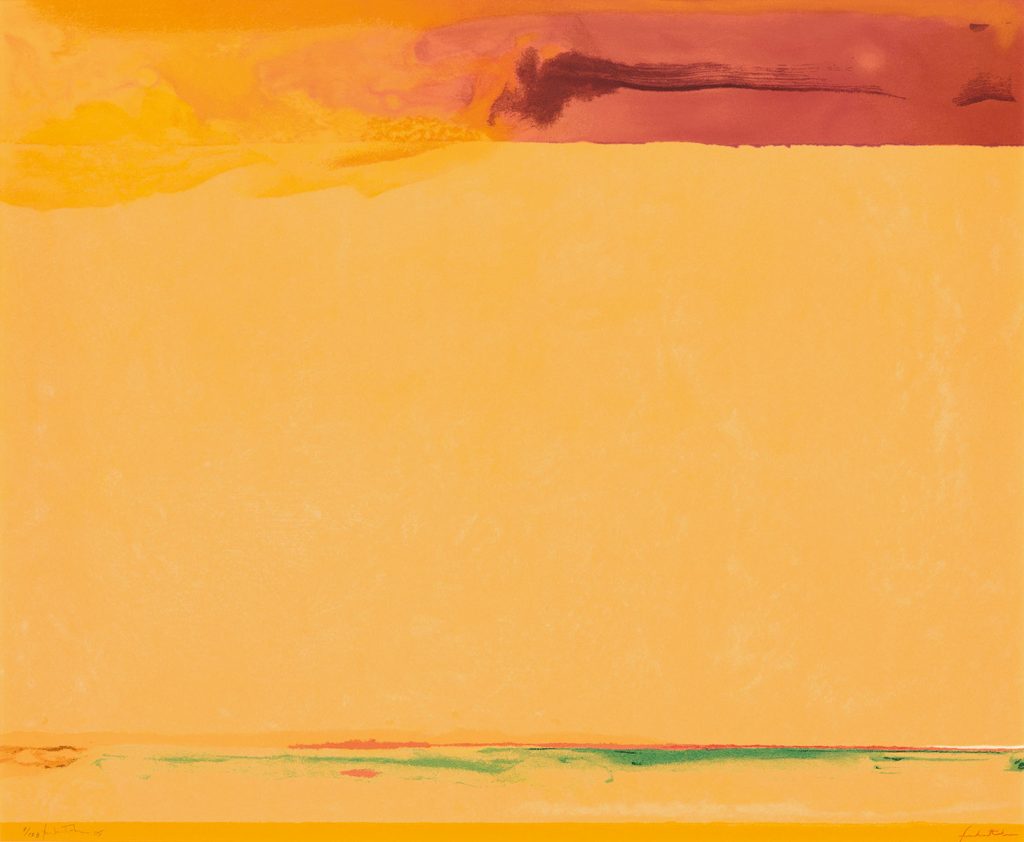
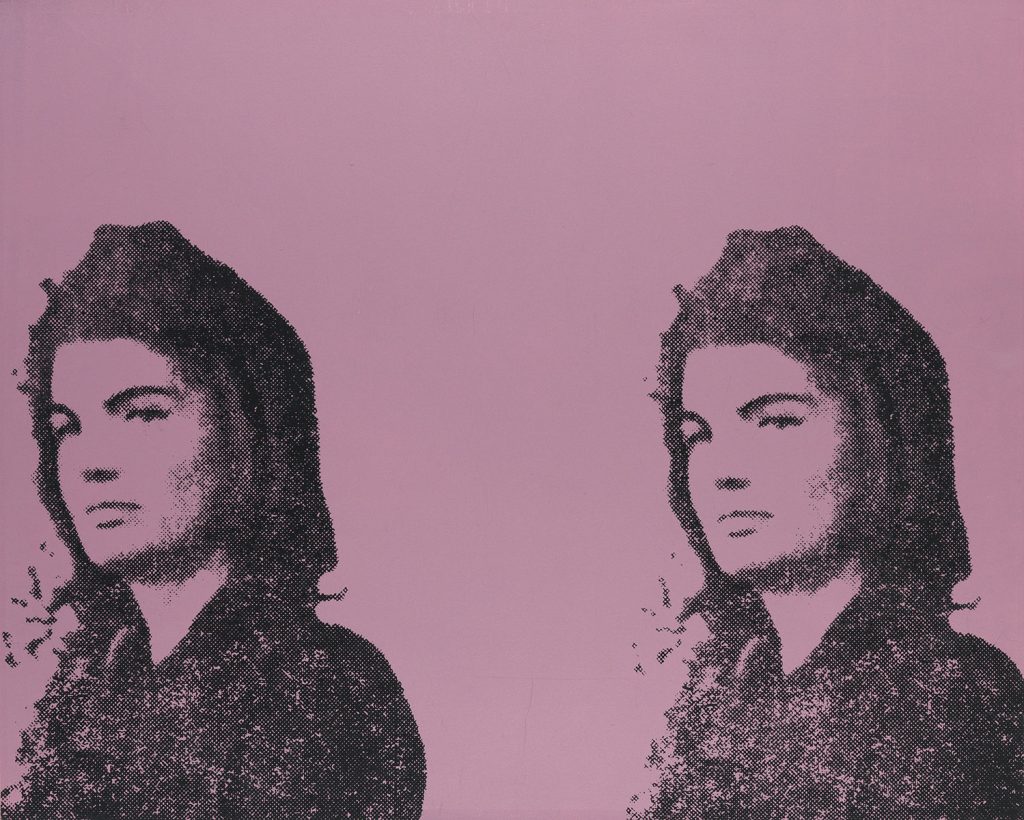
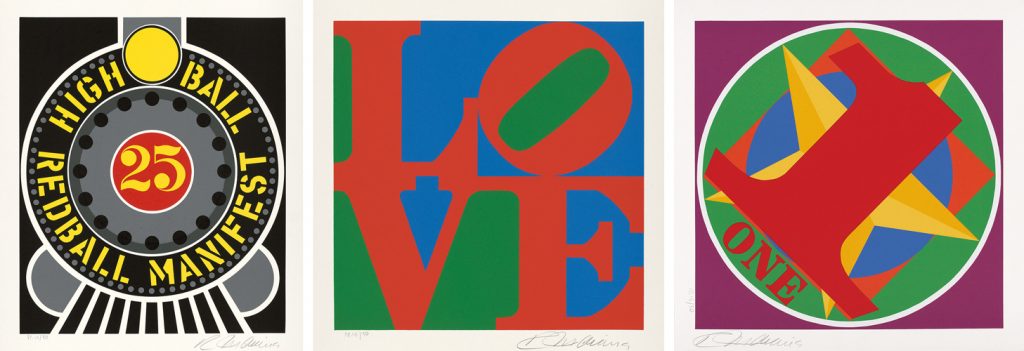
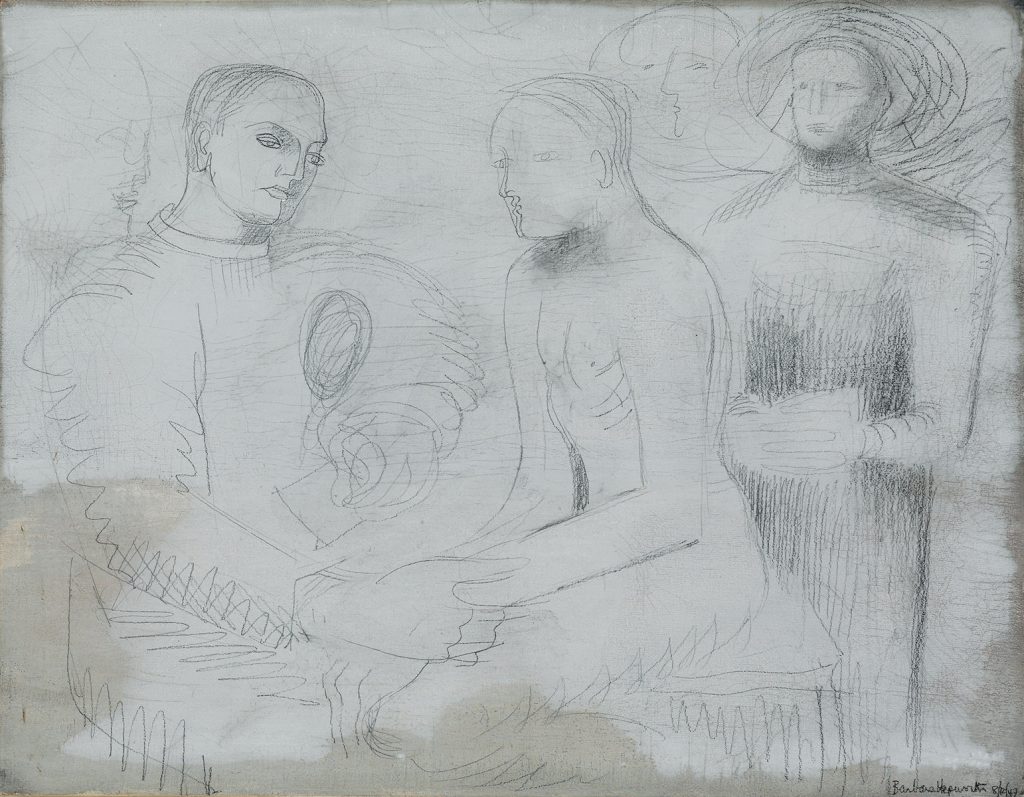
Highlights by Jackson Pollock, Louise Nevelson, Helen Frankenthaler, Josef Albers, Andy Warhol, Roy Lichtenstein, Edward Ruscha, Robert Indiana, Barbara Hepworth, David Hockney & Richard Hambleton
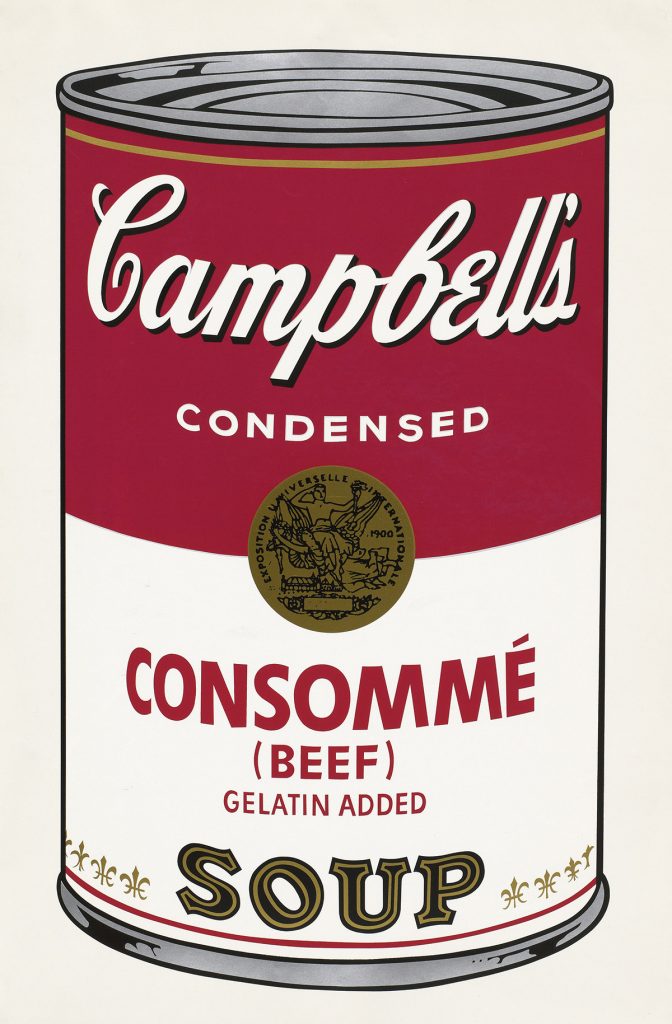
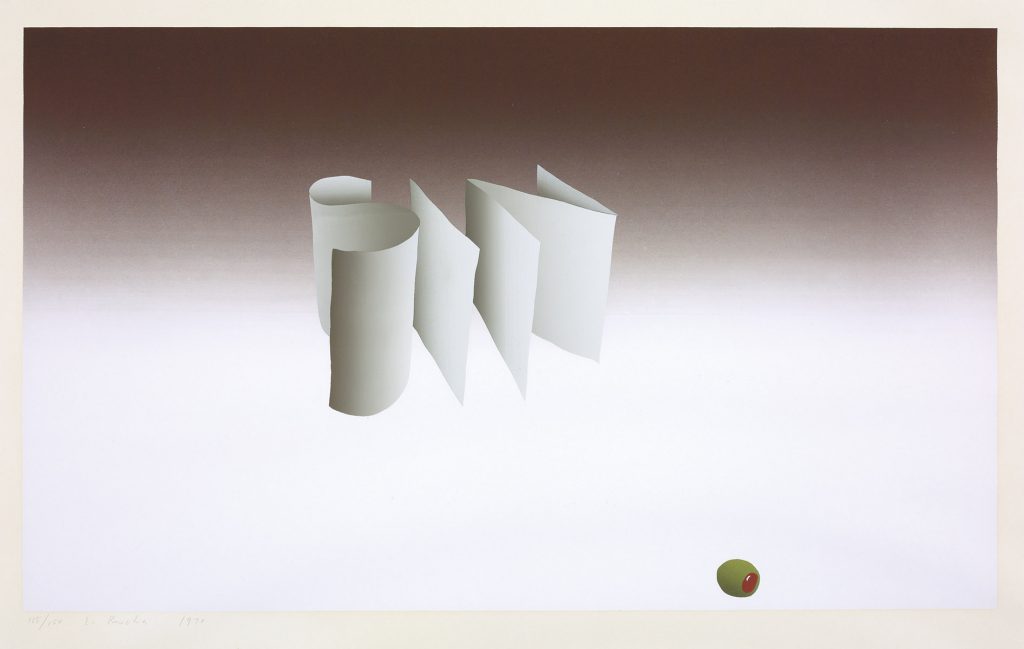
Lot 217: Andy Warhol, Jackie II, color screenprint, 1966. $12,000 to $18,000.Lot 263: Robert Indiana, The American Dream, portfolio with complete text and 30 color screenprints, 1997. $10,000 to $15,000.Lot 264: Ed Ruscha, Sin, color screenprint, 1970. $7,000 to $10,000.
Figurative Expressionism, Modern Realism & Photo-Realism
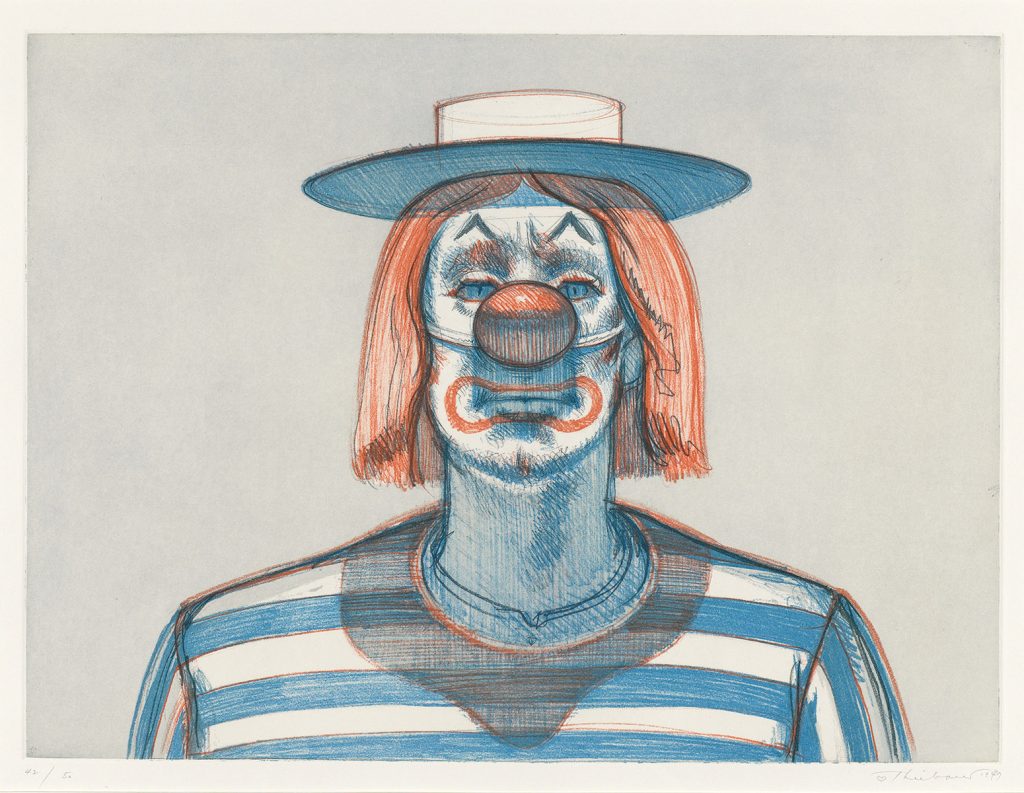
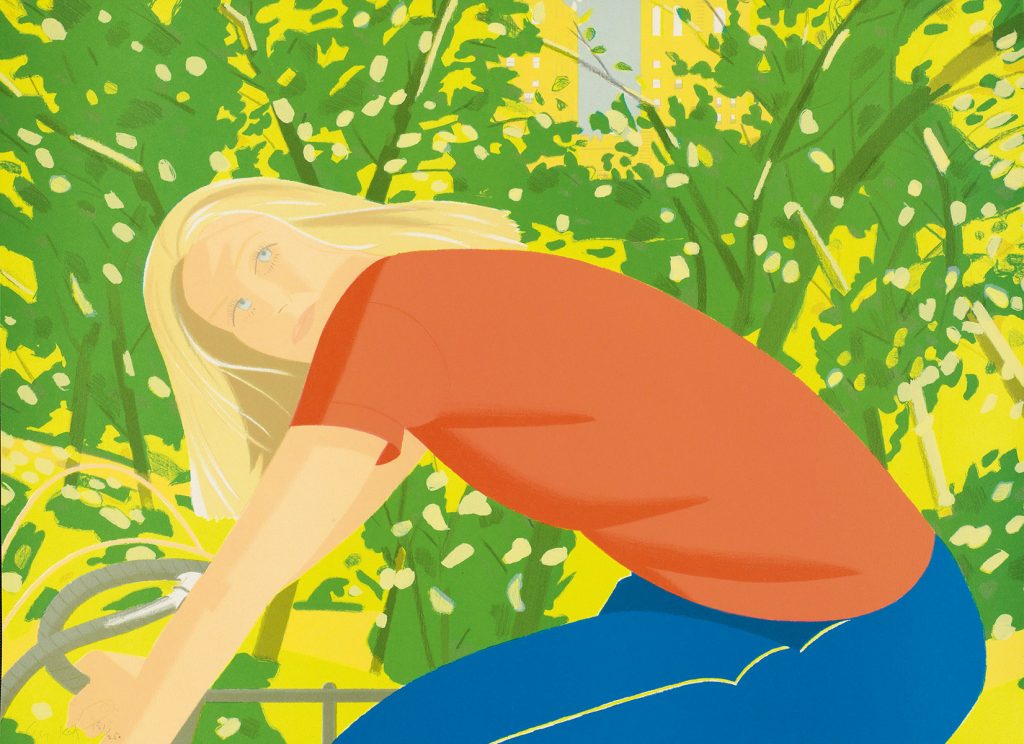
Lot 296: Wayne Thiebaud, Clown, color soft-ground etching, 1979. $7,000 to $10,000.Lot 277: Alex Katz, Bicycle Rider, color lithograph, 1982. $3,000 to $5,000.
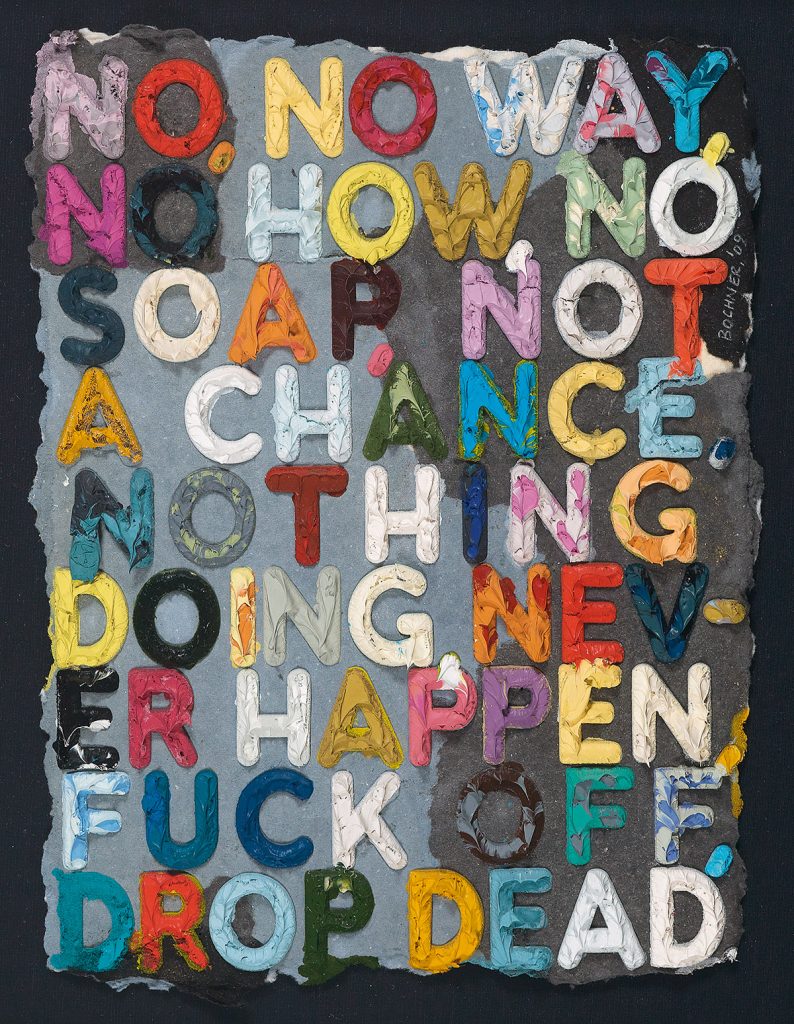
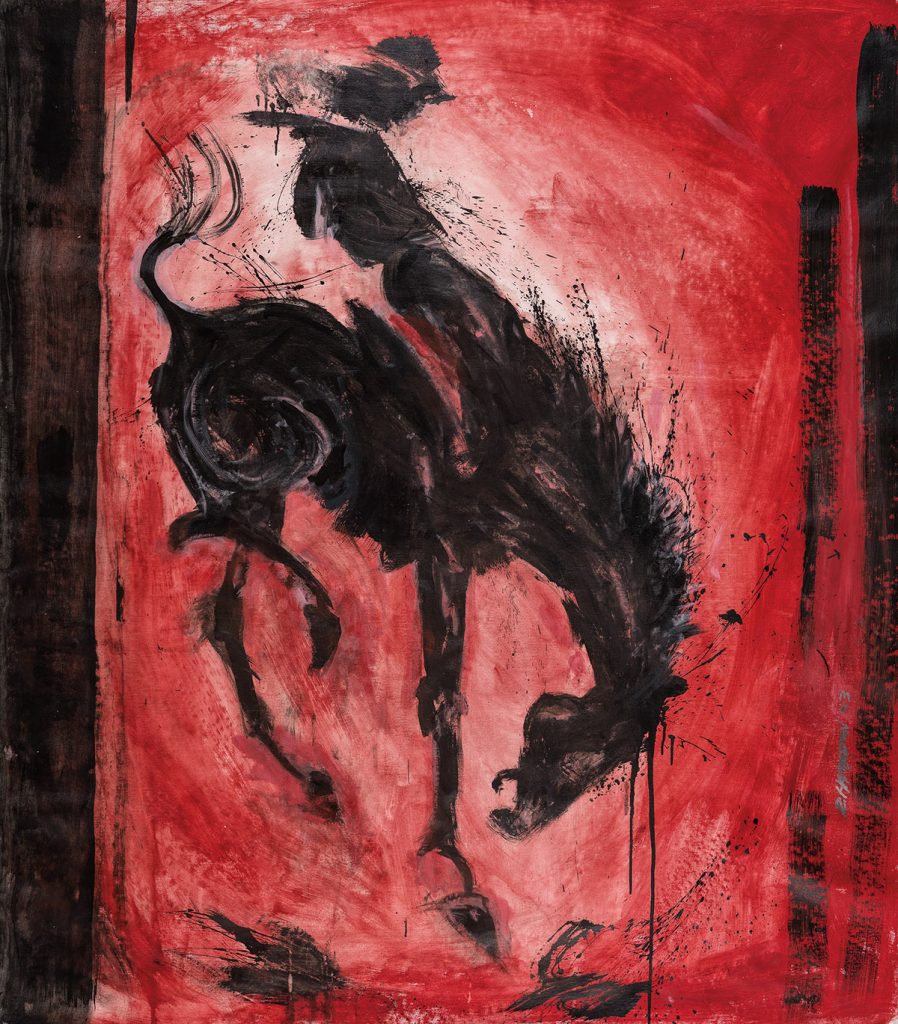
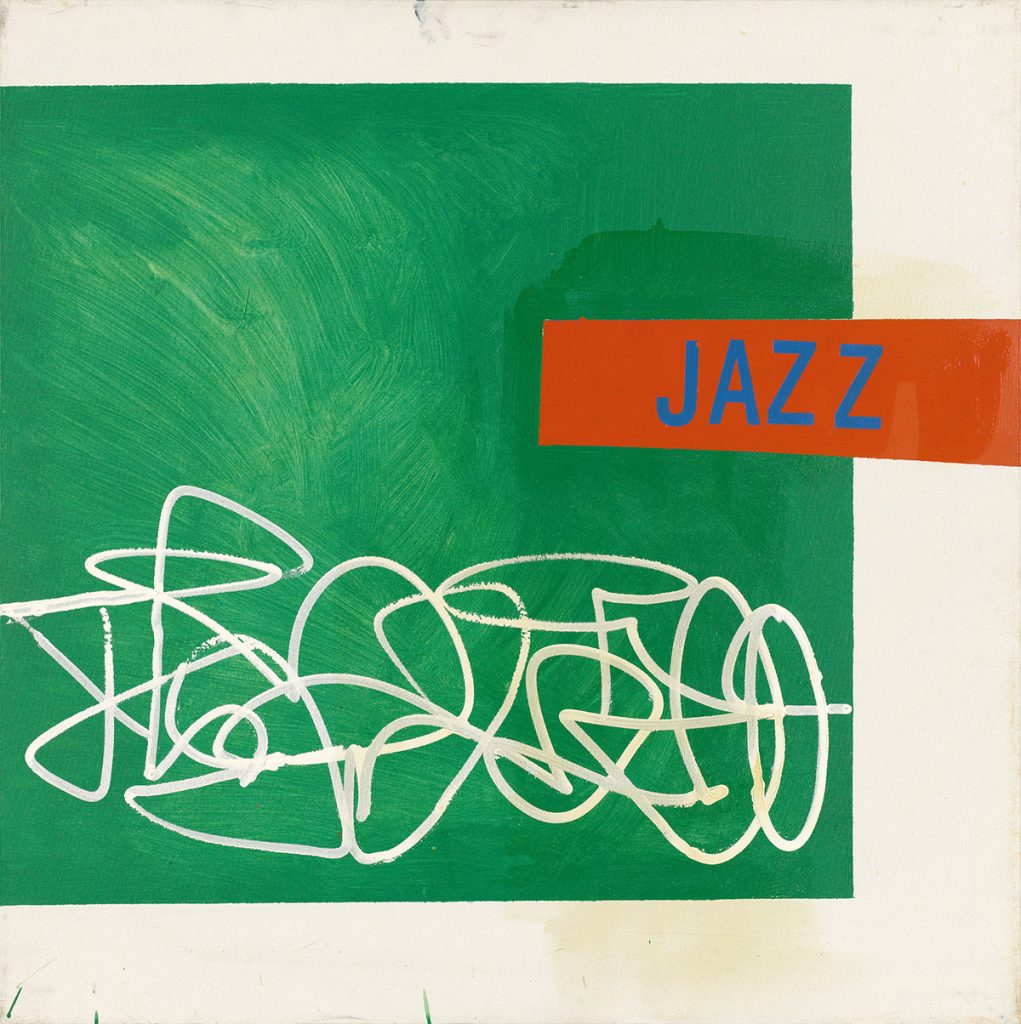
Lot 372: Mel Bochner, No: The Fucking Short Version, monoprint with engraving, embossing and oil paint on hand made paper, 2009. $10,000 to $15,000.Lot 389: Richard Hambleton, Rodeo, acrylic on canvas, 2003. $50,000 to $80,000.Lot 390: George Condo, Jazz Edges, acrylic on canvas, 1999. $30,000 to $50,000.
Previewing Online Only
This auction will be held live and conducted remotely by Swann auctioneers taking bids from multiple platforms. While there will not be bidding in the room, we will be accepting order bids, and interested buyers will be able to participate live online via the Swann Galleries App. The app is available in the App Store and on Google Play, and it can also be accessed on a desktop at live.swanngalleries.com. Please note: limited phone bidding will be available for this auction. Phone bidding registrations will close the day before the sale at 4pm.
At this time, our exhibition and auction location at 104 East 25th Street is closed to the public. In lieu of a physical exhibition, you may request condition reports from our specialists. Please don’t hesitate to contact us with any questions.
Frenchman and American Art Specialist Raphaël Chatroux uses three works from our June 14 American Art & Pennsylvania Impressionists auction to demonstrate how their respective artists were influenced by their time spent in France.
Lot 9 | Theodore Robinson, Vermont Hillside
Lot 9 | Theodore Robinson (1851-1896), Vermont Hillside, $20,000-30,000
After spending almost ten years painting in France and learning from Impressionist master Claude Monet (1840-1926), Theodore Robinson returned to his native Vermont in 1895. For Robinson, Vermont was the perfect place to paint typically American pictures, and therefore adapt his Impressionistic skills to the grandeur and the vastness of the American landscape. After many futile attempts, he finally found an isolated hillside with an open view, as exemplified in the present work, where he could translate onto canvas what he had learned in France: “It is fine in color and not too green, a field in the foreground full of red, like a French grain-field.”
Lot 17 | Theodore Earl Butler, Le Train à Giverny
Theodore Earl Butler (1861-1936), Le Train à Giverny, $25,000-40,000
Theodore Earl Butler studied in France and eventually settled in the quiet village of Giverny in 1892, thus becoming an integral part of the art community. While there, Butler was increasingly influenced by Claude Monet (1840-1926), and learned how to capture the transient beauty and changing effects of light on the French countryside, Here, Butler further explores Monet’s legacy by picking a modern theme the French master had already fully explored in his Gare Saint-Lazare series from 1877. Executed en plein-air, the work successfully captures the effects of both speed and blurriness created by the passage of the train. By choosing similar hues of brown, grey and purple, the train appears to morph into the landscape, mixing in with the surrounding trees, sky and smoke.
Lot 29 | Arthur Beecher Carles, Mlle de C.
Arthur Beecher Carles (1882-1952), Mlle de C., $15,000-25,000
Arthur Carles first met Mercedes de Cordoba in 1904. However, it was not until several years later that the pair reconnected, during Carles’ first trip to France in 1907. For Carles, Paris was a milestone in his artistic journey, a place of exploration, innovation and change. There, he befriended important figures of the French avant-garde including Gertrude Stein (1874-1946), and was introduced to modern art, specifically through the work of Paul Cézanne (1839-1906) and Henri Matisse (1869-1954). The present portrait was completed in 1908, and with its bold patterns, abstract shapes, and intense, slashing brushstrokes, the portrait showcases the artist’s reverence toward the new mentors he met and admired in Paris, specifically Henri Matisse, whose bold application of -sometimes jarring- colors, made a deep impression on him.
For more than 40 years, Britain’s most famous Modernist painter worked full-time as a rent collector. Here are 10 things to know about the life and work of the much-loved Mancunian 1. L.S. Lowry spent almost his entire working life as a rent collector
Born in 1887 and raised in the leafy outskirts of Manchester, Laurence Stephen Lowry (1887–1976) was an only child. His father was an estate agent and his mother was an aspiring pianist. Although the family was middle class, financial difficulties meant they had to move to the insalubrious industrial area of Pendlebury. To help make ends meet, Lowry left school at 16 and clerked at an accountancy firm.
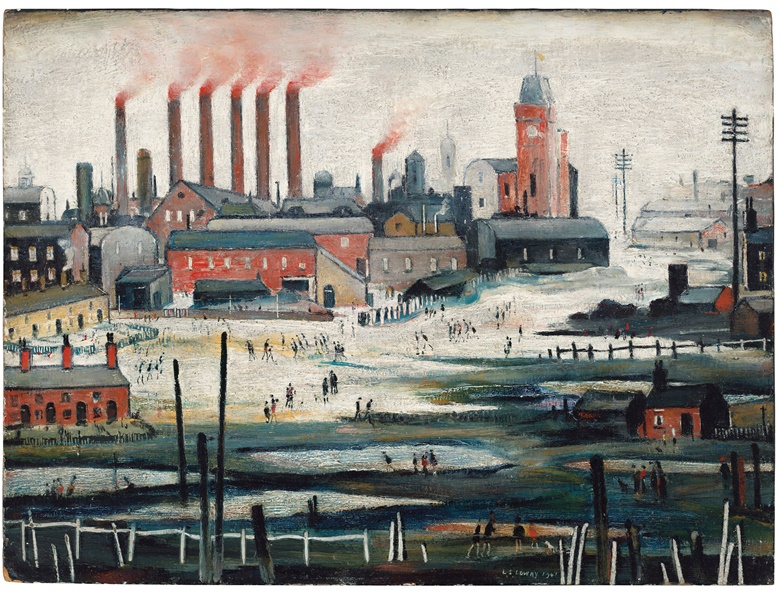
Laurence Stephen Lowry, R.A. (1887-1976), Iron Works, 1941. Oil on board. 17¾ x 24 in (45.1 x 61 cm). Estimate: £500,000-800,000. Offered in People Watching: The Art of L.S. Lowry, 15 June-2 July, Online
Lowry was never a full-time artist: in his early twenties, he took a job as a rent collector, and this would be his primary trade for the next four decades. But he painted most days after work, late into the night — and firmly rejected the label of ‘Sunday painter’, remarking, ‘I’m a Sunday painter who paints every day of the week!’2. Lowry trained under an Impressionist master
Given his day job and the seemingly naïve style of his paintings, it was long assumed that Lowry was self-taught. This is far from true: he took evening classes in painting and drawing at the Salford School of Art and Municipal College of Art, where he studied under the French Impressionist Adolphe Valette. ‘I cannot overestimate his effect on me,’ Lowry later said of Valette.
Laurence Stephen Lowry, R.A. (1887-1976), Landscape with Figures, 1957. Oil on panel. 14 x 10 in (35.6 x 25.4 cm). Estimate: £250,000-350,000. Offered in People Watching: The Art of L.S. Lowry, 15 June-2 July, Online
Lowry never adopted an Impressionist technique or colour range — he often claimed to use just five colours: vermilion, ivory black, Prussian blue, yellow ochre and flake white. What he did share with the Impressionists, however, was a fondness for capturing modern life in an urban landscape.3. A missed train changed his career
Today Lowry is best remembered for his busy scenes of England’s industrial north, complete with looming mills, imposing factories, smoking chimneys and massed ranks of workers. ‘My ambition was to put the industrial scene on the map because nobody [before] had seriously done it,’ he said.
Lowry more than achieved that, says Rachel Hidderley, Senior Director of Modern British & Irish Art at Christie’s in London. ‘It’s hard to think of many artists who dared take on the great industrial progress of the 20th century, let alone paint it so compellingly.’
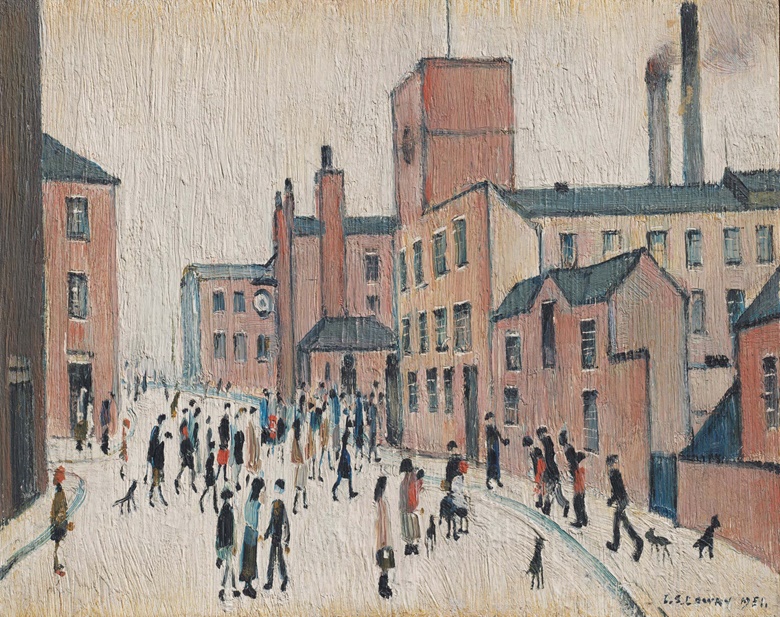
Laurence Stephen Lowry, R.A. (1887-1976), Lancashire Street, 1951. Oil on panel. 9 x 11 in (22.8 x 27.9 cm). Estimate: £150,000-250,000. Offered in People Watching: The Art of L.S. Lowry, 15 June-2 July, Online
Lowry admitted that his inspiration had come from an unlikely source: an eureka moment following a missed train at Pendlebury station. ‘I saw the Acme Company’s spinning mill: the huge, black framework of rows of yellow-lit windows… against the sad, damp-charged, afternoon sky,’ Lowry wrote later in life. ‘The mill was turning out hundreds of little, pinched figures, heads bent down… I watched this scene — which I’d looked at many times without seeing — with rapture.’4. Lowry was a highly underrated portraitist
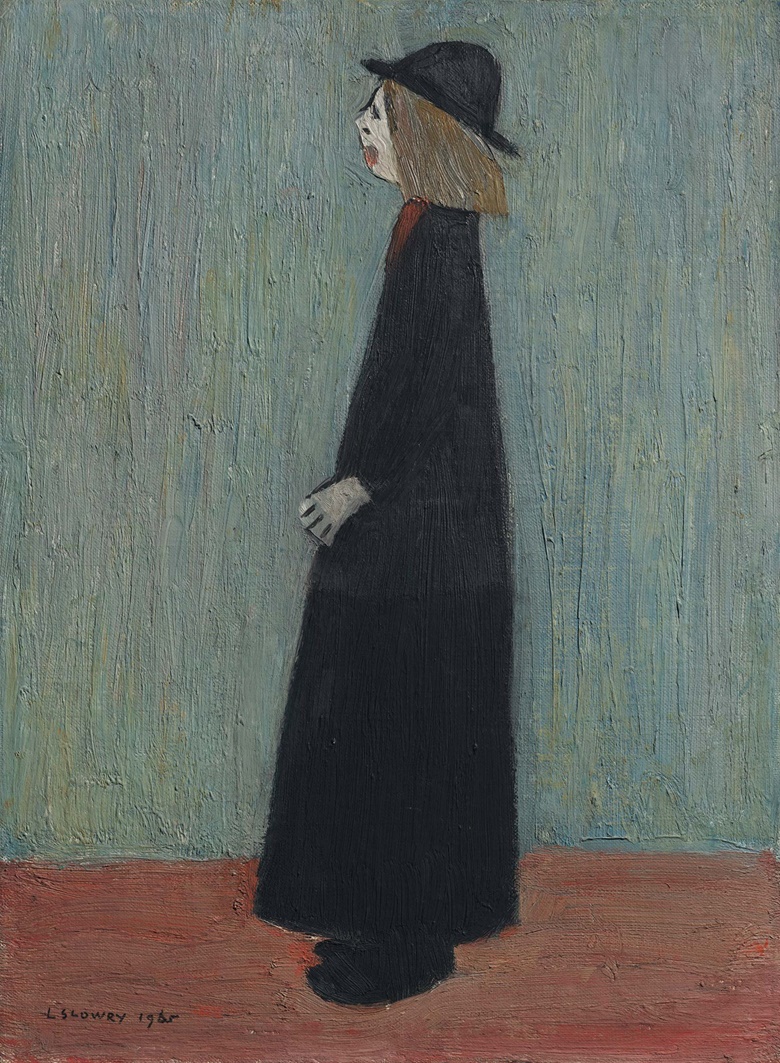
Lowry’s cityscapes are populated by tiny, stylised figures often referred to as ‘matchstick men’, but in the mid-to-late 1930s, he took to painting people in a very different way, producing a series of haunting portraits.
It’s unclear whether his subjects were real people: Lowry seems to have mixed his own features with those of men and women he passed on the street. The rather dark mood of these pictures, it has been said, was influenced by the death of Lowry’s father in 1932, and the long-term illness of his bedridden mother, with whom Lowry still lived.
Laurence Stephen Lowry, R.A. (1887-1976), A Woman Standing, 1965. Oil on canvas-board. 16 x 12 in (40.6 x 30.5 cm). Estimate: £120,000-180,000. Offered in People Watching: The Art of L.S. Lowry, 15 June-2 July, Online5. He served as a ‘firewatcher’ in Manchester during the Second World War
During the Blitz, Lowry volunteered two or three nights a week as a firewatcher on the roof of Manchester department stores such as Debenhams and Lewis’s. The destruction wreaked by the Luftwaffe transformed the cityscape, and this was duly reflected in Lowry’s paintings.
In Saturday Afternoon (1941), a group of local children play a pickup game of football on a spot of land that — until its recent demolition by bombs — had accommodated four streets of terraced houses.6. After the Second World War, Lowry’s art became more upbeat
While never grim or gritty, Lowry’s scenes of high-density, working-class urban life weren’t particularly light-hearted, either. There’s a certain uniformity to his figures and a monotony to their daily grind. As Lowry said, ‘I only deal with poverty; always with gloom. You’ll never see a joyous picture of mine.’ But following the Second World War, the mood of his paintings began to shift.
Fun Fair at Daisy Nook (1953), for example, captures a sunny afternoon at the annual Lancashire Easter Fair. With his typical powers of observation and eye for detail, Lowry depicts balloon and whirligig sellers, children in pointed hats, dogs and prams; a slice of urban life on holiday.
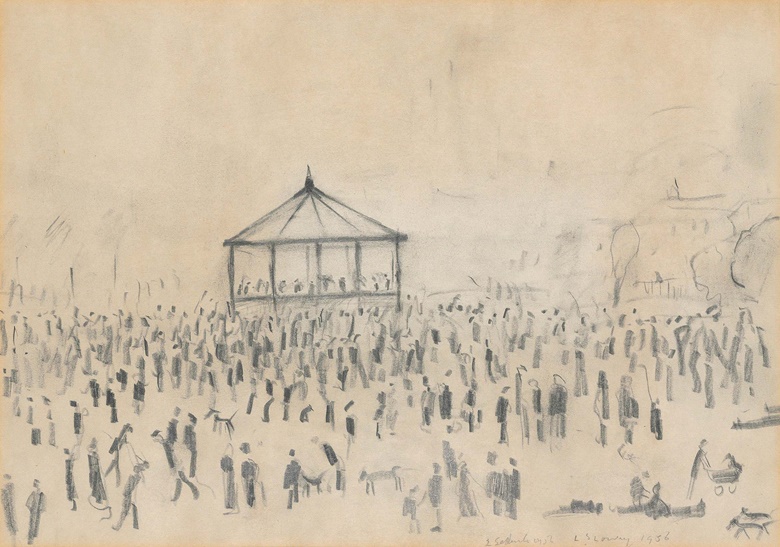
Laurence Stephen Lowry, R.A. (1887-1976), Bandstand, Peel Park, 1956. Pencil on paper. 10 x 14 in (25.4 x 35.6 cm. Estimate: £20,000-30,000. Offered in People Watching: The Art of L.S. Lowry, 15 June-2 July, Online
‘There are still the incredible crowds,’ says Hidderley of Lowry’s post-war production, ‘but now these people are increasingly at play, not work.’7. Lowry loved football
Lowry supported the Manchester City football team, and regularly attended home matches. He also painted several canvases of fans on their way to, or at games. In his famous 1949 work, The Football Match, which sold for £5,641,250 in May 2011 at Christie’s London, the viewer is offered a panoramic, bird’s-eye view of not just the pitch and supporters, but also the houses and factories beyond.
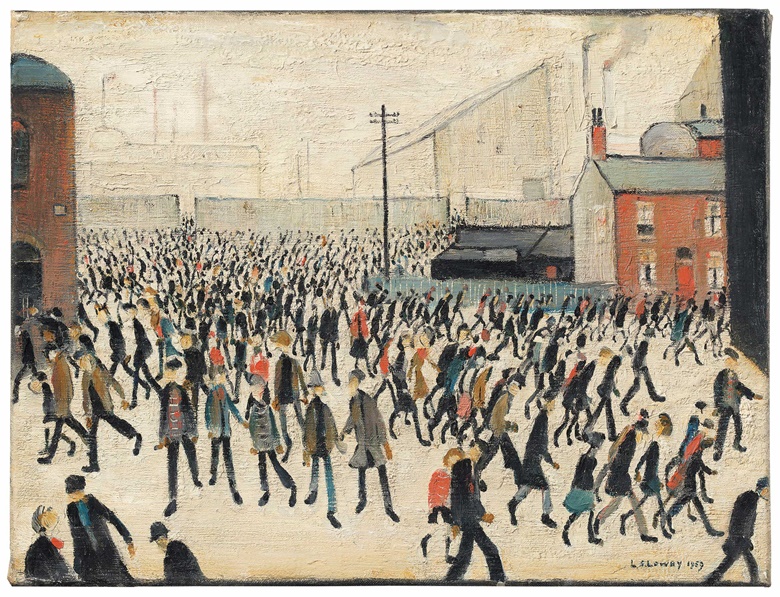
Laurence Stephen Lowry, R.A. (1887-1976), Coming from the Match, 1959. Oil on canvas. 12 x 16 in (30.5 x 40.6 cm). Estimate: £500,000-800,000. Offered in People Watching: The Art of L.S. Lowry, 15 June-2 July, Online
Lowry’s ties to the football club have not been forgotten: in 2016, Manchester City’s owners gifted an (unspecified) artwork by the artist to outgoing manager Manuel Pellegrini.8. Lowry’s lifelong fascination with the sea
Lowry began visiting the seaside as a boy, on family holidays to spots such as Rhyl in North Wales. ‘I’ve always been fond of the sea,’ he observed later in life. ‘How wonderful it is, yet also how terrible. I often think… what if it suddenly changed its mind and didn’t turn the tide — and came straight on? If it didn’t stop and came on and on and on and on… That would be the end of it all.’
Lowry painted a number of seascapes in the 1940s, 1950s and 1960s. In many cases, says Hidderley, these expanses of water and sky, separated only by the horizon line, are ‘so empty they border on abstraction’. Free of human beings, they are testament to the immeasurable power and presence of nature.9. He turned down a knighthood
Despite working full-time as a rent collector, Lowry enjoyed much recognition for his art in his lifetime. He had his first solo show in London in 1939 at the Lefevre Gallery in Mayfair; he was elected a Royal Academician in 1962; and he served as a visiting tutor at the prestigious Slade School of Fine Art.
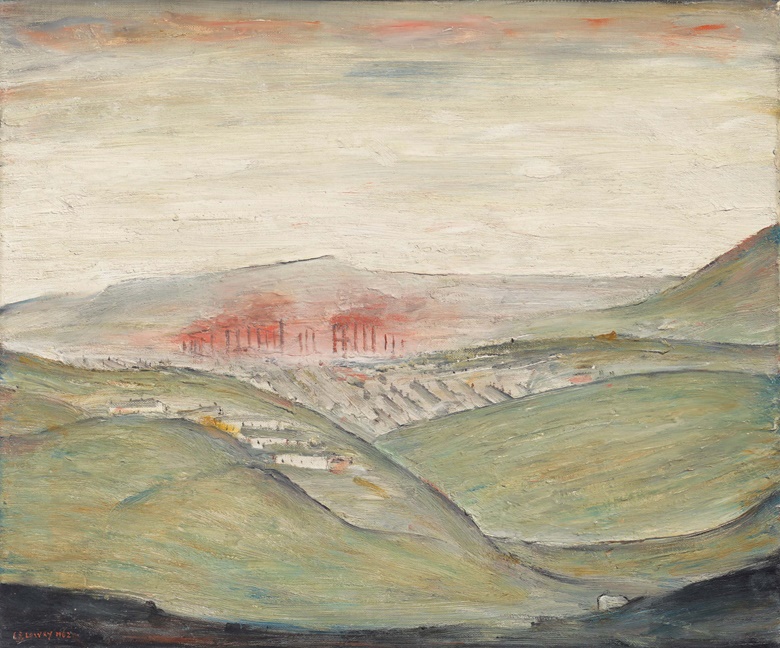
Laurence Stephen Lowry, R.A. (1887-1976). Ebbw Vale Steel Works, 1962. Oil on canvas. 20 x 24 in (50.8 x 61 cm). Estimate: £150,000-250,000. Offered in People Watching: The Art of L.S. Lowry, 15 June-2 July, Online
In 1968, Lowry was even offered a knighthood, but he turned it down. ‘All my life I have felt most strongly against social distinction of any kind,’ he told the Prime Minister at the time, Harold Wilson.10. His favourite artist was Dante Gabriel Rossetti
In 1948, as he started to earn good money as a painter, Lowry moved to the affluent village of Mottram-in-Longdendale, near Manchester. He also began collecting work by artists he admired, particularly the Pre-Raphaelite Dante Gabriel Rossetti. Lowry even started a ‘Rossetti Society’, of which he became the first president. ‘There is no one quite like Rossetti,’ Lowry claimed. ‘His [pictures of] women are very wonderful.’
L.S. Lowry died in 1976, at the age of 88. Unmarried and childless, he left behind a host of paintings and drawings by Rossetti.
Bonhams inaugural Live & Online Motoring Auction on Saturday 30 May, achieved a sale total of more than £2 million, and a sell-through rate of 76%. The Motorcycle section of the sale was 100% sold. There were more than 500 registrations, with bidding conducted mostly online, or over the telephone. Competition was fierce, with many lots attracting multiple bidders.
Bonhams Group Motoring Chairman, James Knight said: “We are delighted at the result which demonstrates a continued appetite from sellers and buyers for our Motoring sales. Our confidence in the technology that we put in place for this sale, and our determination to maintain the atmosphere and fun of a traditional sale paid off.”
59% of the winning bidders were online, followed by bids on the telephone.
Sale highlights included:
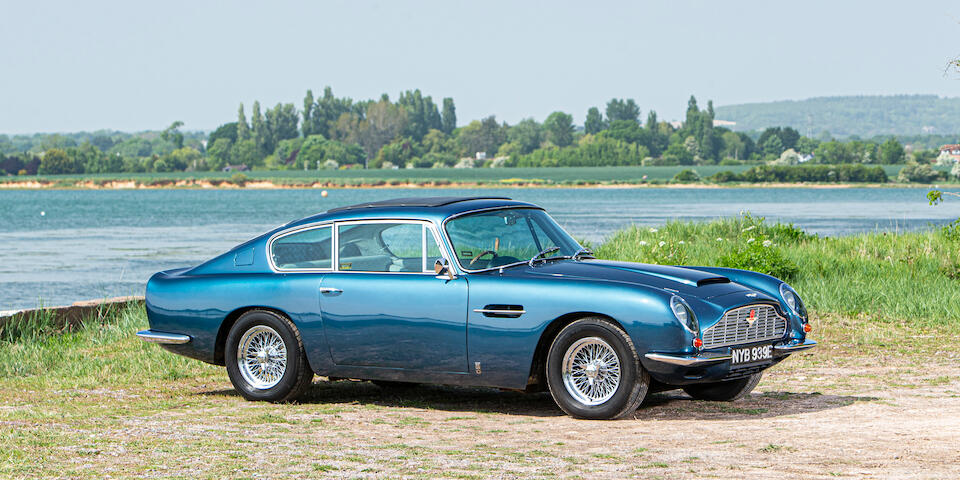
• A 1966 Aston Martin DB6 Auto 4.2-Litre Sports Saloon, sold for £146,250. • A 1954 Jaguar XK120 Aluminium Roadster that sold for £69,750. The car’s original 3.4-Litre Engine, sold for £13,500, – more than four times its estimate – to the same buyer. • An Aston Martin 1954 DB2/4, ripe for restoration, exceeded top estimate to make £90,000. • A 1956 Bedford RL Green Goddess, formerly of the Cornbury Park Estate, achieved £14,625 after a fierce internet and telephone bidding battle, quadrupling its estimate. • In the Edwardian, Vintage & Post-Vintage Thoroughbred section, an especially nicely presented 1933 Riley 9 Monaco achieved £15,187 and a 1935 Bentley 3½-Litre Pillarless Coupe sold for £58,500. • The Modern and Popular Classics category saw a 1977 Ford Escort RS2000 realize £48,937 and a 1960 Austin Mini Seven Deluxe double its low estimate to achieve £13,500. This section of the sale was powered by Bonhams MPH, and its online consignment platform was key to the efficient sale administration for vendors. • Performance on two wheels was exceptional, demonstrating the market for Motorcycles remains buoyant, with exotic Italian and Japanese performance variants proving ever popular. A 1996 Honda CBR900RR made £6,187 – more than five times its estimate and the 1986 Ducati 1,000cc Mike Hailwood Replica ‘Mille’ surpassed expectations at £16,875.
The sale was on public view (by appointment) at the Bonhams Bicester Heritage offices, with the live sale conducted by an auctioneer in a studio setting at the Bonhams Oxford saleroom. The next Live & Online Motoring Auction will take place on 25 July and entries include a 1928 Bentley 4½-Litre Tourer with coachwork in the style of Vanden Plas (£380,000 – 420,000). Bonhams Summer and Autumn Motorcycle Sales, taking place on 15-16 August and 10-11 October respectively. Entries are invited for both sales.
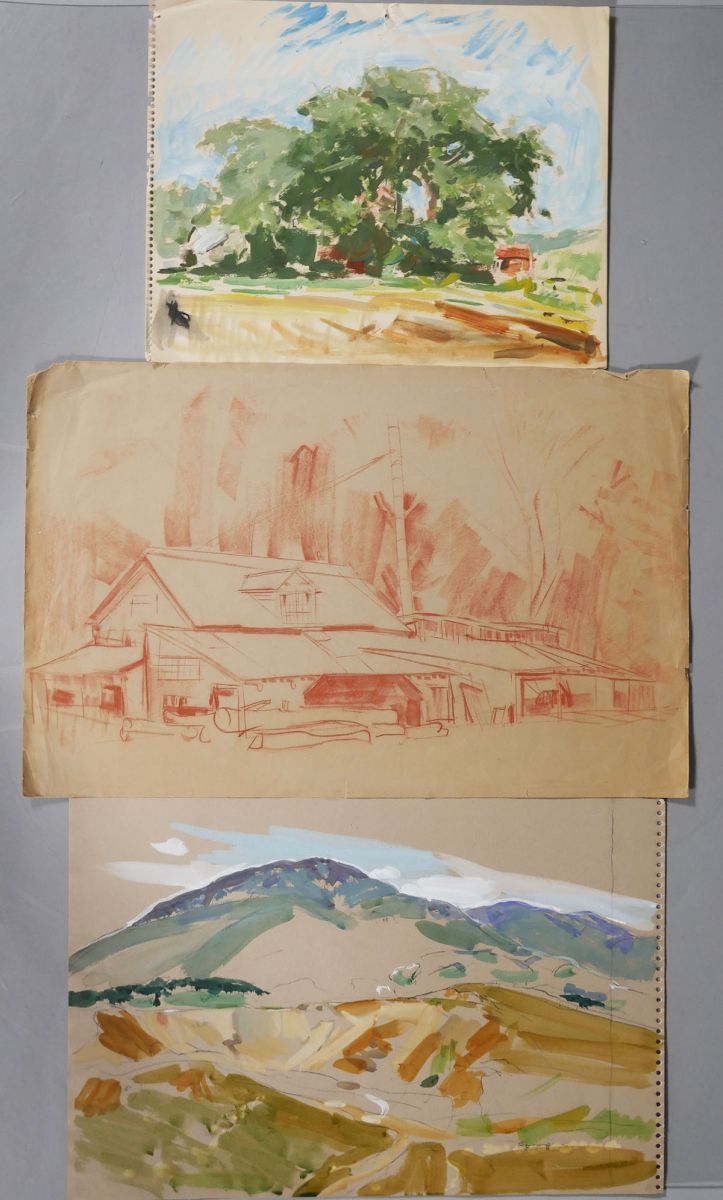
CLEARWATER, Fla. – Blackwell Auctions is selling a collection of paintings and sketches by American artist Jay Hall Connaway (1893-1970) on June 13 at noon (Eastern time). Connaway, who lived on Monhegan Island off the coast of Maine for decades, is widely considered to be one of the most important marine painters of the 20th century, drawing comparisons to Winslow Homer.
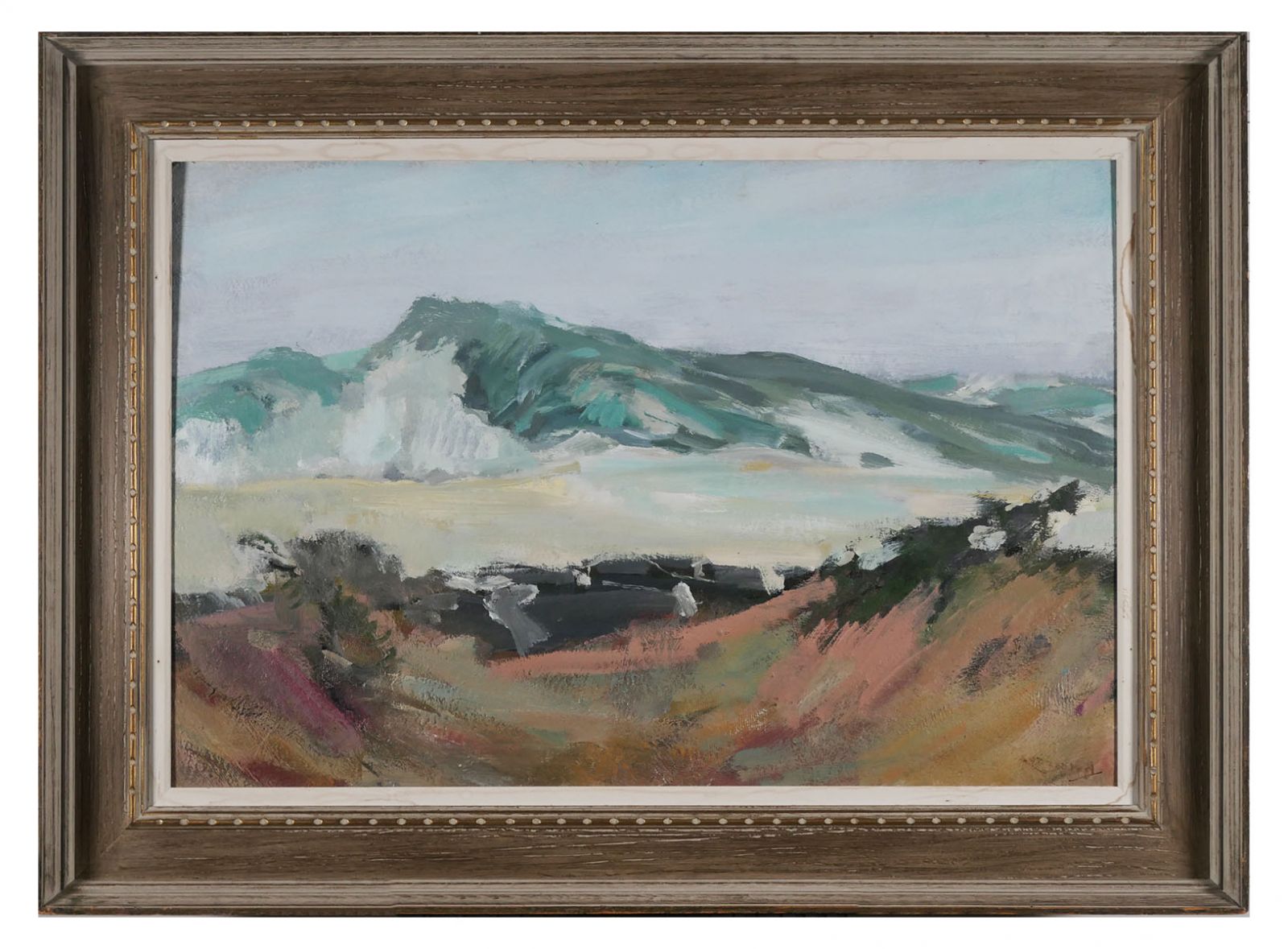
Lot 275, Jay Connaway, Oil on Panel, Maine Coast
“The Connaway [collection] is from the estate of the late Michael Milkovich, long-time director of the Museum of Fine Arts in St. Petersburg, Florida,” said Edwin Bailey, Blackwell’s owner. “He was well-acquainted with Connaway … and he eventually acquired dozens of sketches and studies from the artist.”
Lot 262, Jay Connaway, (3) Landscape Painting Studies
All forms of bidding will be available for the Saturday sale, including absentee, phone and live via Bidsquare.
“The June auction has quite a lot of fine art besides Connaway’s work,” Bailey said, “including several pieces by surrealist Raymond Whyte and many other listed artists.”
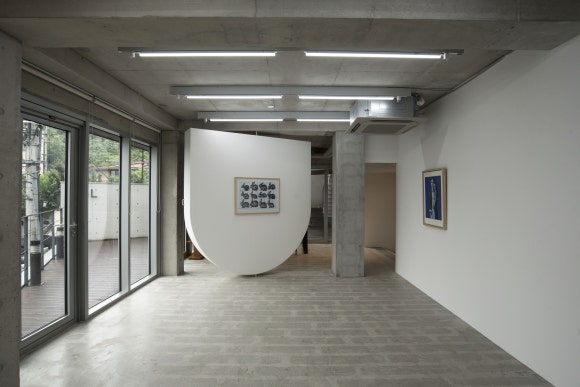
A-Lounge, located in Buam-dong, Jongno-gu, intends to present a diverse spectrum of the current art world through various exhibitions and plans that can grasp the flow and trend of contemporary art.
In particular, this gallery is striving to discover promising artists and to open a pathway for them to actively work on the international stage. To this end, this lounge has been focused activities to participate in the art fair of leading overseas , for the international stage expansion of the domestic writers are trying to build a variety of channels.
Boonton, NJ— Millea Bros’ Spring “Select” auction arrives June 4th and 5th, featuring Greek, Roman and Egyptian antiquities deaccessioned from the Newark Museum; 19th c. African and Oceanic art from the Wright Art Trust; Folk Art and Native American artifacts from a Trustee of the American Folk Art Museum; an Abstract Expressionist painting by David Smith; and a lost Russian masterwork, not seen in public since its 1924 New York debut.
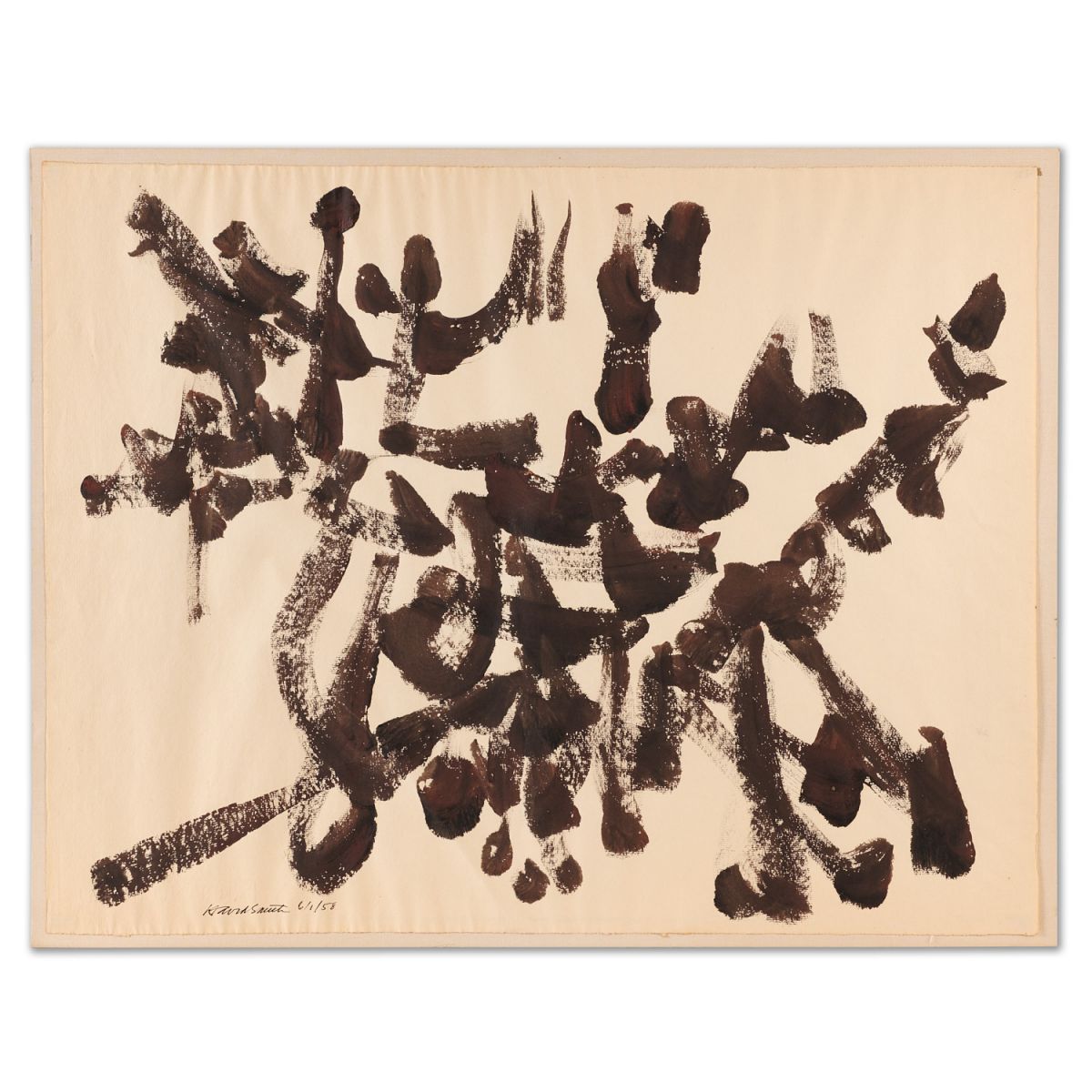
Lot 1177, David Smith, ink and tempera, 1958, ex-Ben Heller; Estimate $12,000-$18,000
Day 1, featuring Asian Arts, Tribal Art and Modern Art and Design includes important African and Oceanic tribal artifacts from the collection of Martin and Faith-Dorian Wright. The Wright Collection is world renowned for the quality of its holdings and the scholarship behind it. Considered pioneers in raising the profile and collecting importance of Oceanic Arts, pieces from the Wright Collection form the core of multiple museum collections, including the Metropolitan Museum of Art, and the Israel Museum. These works are joined by an equally impressive group of African, Pre-Columbian and Native American arts from the Nancy R. and Myron L. Mayer collection. Formed in the 1960s and 1970s, the Mayer’s acquired pieces from the most prestigious NYC galleries and private collections.
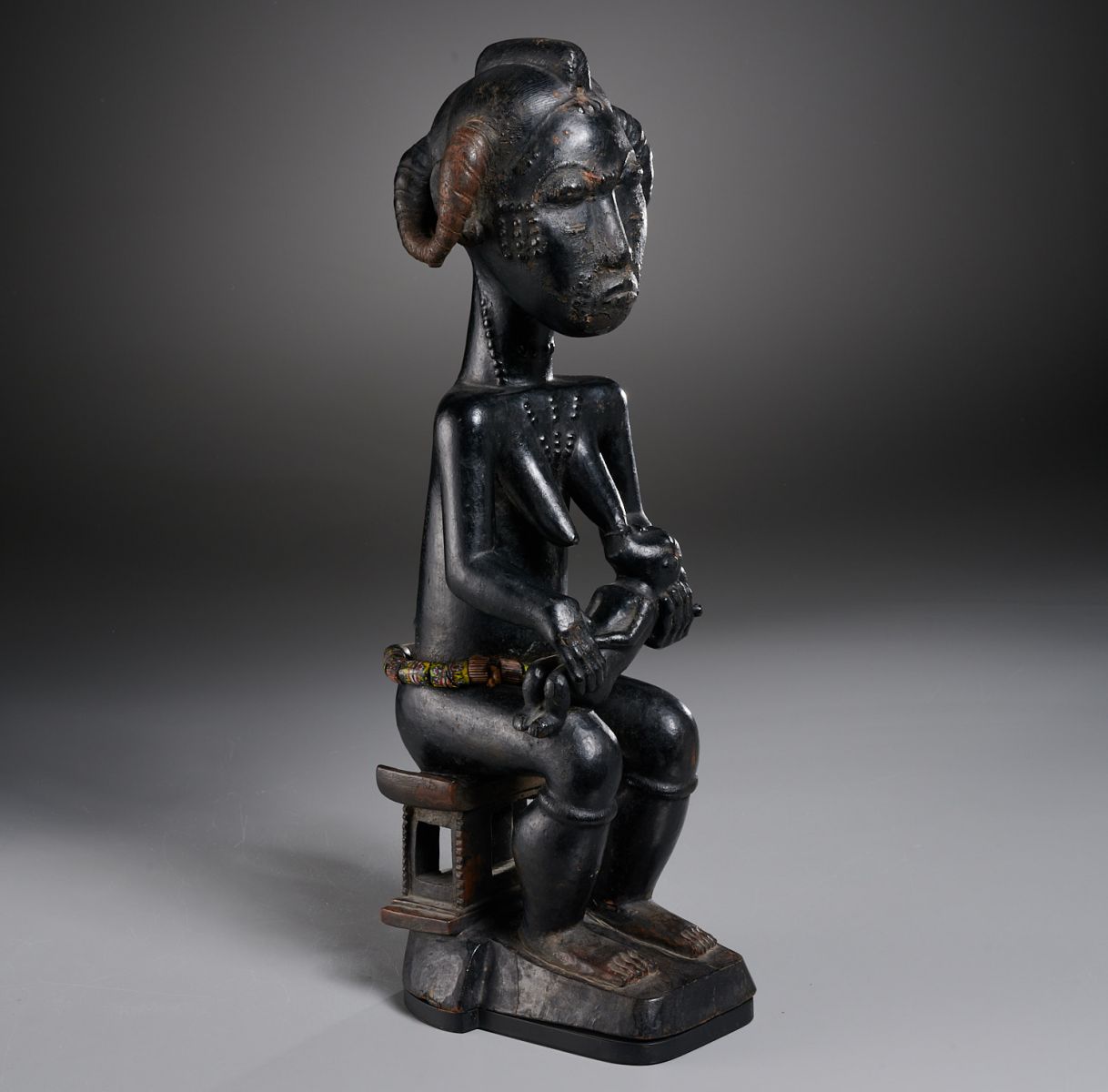
Lot 1137, Anyi Peoples, fine maternity figure; Estimate $6,000-$8,000
Tribal highlights include an exquisite Bamara carve antelope CiWare headdress, a gold Baule pendant from the collection of Paul Guillaume, a 19th c. Papua New Guinea bird ornament from the Stuttgart Museum, and a fine 19th c. Native American Cheyenne pipe bag. The Modern Art and Design portion of the sale is headlined by a David Smith tempera and ink drawing from the legendary collection of Ben Heller, the New York art dealer instrumental in establishing the international dominance of American Post-War art. Reminiscent of traditional Chinese calligraphy, this 1st Generation abstract expressionist work on paper was a gift to Heller, and includes a touching dedication from the artist on the reverse sheet. It has remained in the family until now, its first time at auction. Other art highlights include nine Henri Cartier-Bresson photographs, and oil paintings by Hunt Slonem, Piero Dorazio, and Dan Christiensen. Modern Design includes a full set of five Alessandro Pianon glass Pulcini birds. A focus on French Modern Design features Claude Lalanne Iolas serving utensils, a fine Eugene Printz bibliotheque table from 1928, Jules Leleu sideboard and lighting, six Pierre Patout armchairs from the SS Ile de France, and a impressive Line Vautrin ‘Soleil a Pointe” n.3 mirror.
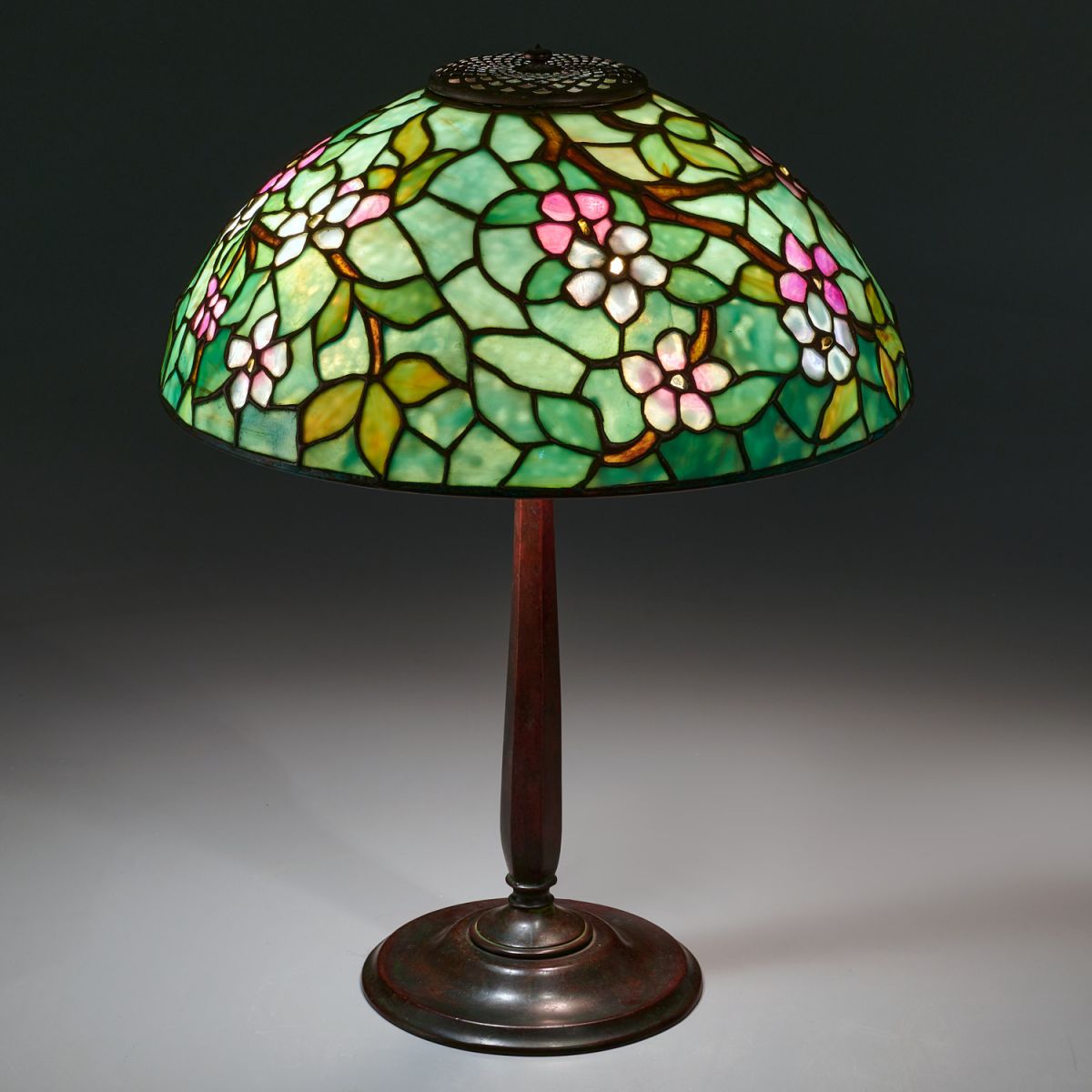
Lot 2243, Tiffany Studios, ‘Apple Blossom’ table lamp; Estimate $12,000-$18,000
Day 2 features Antiquities, and American, British and Continental Art and Antiques including a large collection of Folk Art and Americana. The day opens with over 85 lots of Ancient Greek, Roman, and Egyptian objects deaccessioned from the Newark Museum. Many of these items entered the museum collection over a hundred years ago, and were gifts from major private collections or acquired through museum-sponsored exploration. Highlights include an Ancient Greek black-figure decorated pottery vessel, an Ancient Egyptian wood carving of a scribe with his palette, and many bronze coins and cast figures of deities. The top art lot of the day is a lost masterpiece from famed Russian artist Konstantin Somov. “An Old Ballet” showed at the influential 1924 “Russian Art Exhibition” at New York’s Grand Central Palace, which introduced the West to early Soviet Era art. The work was quickly acquired by a local collector, and has remained in private hands since its inception. Somov works, particularly from his Soviet period, rarely come to market, as most are held in Museum collections. Other highlights include a fine Tiffany ‘Apple Blossom’ table lamp, a rare c. 1868 pair of Minton majolica Nautilus Shell floor jardinieres, 16th c. carved pedestals from the William Randolph Hearst collection, and paintings and sculpture by William Merit Chase, Sir Joshua Reynolds, Prince Paul Troubetzkoy, and others. 30 lots of American Folk art from the Nancy R. Mayer collection offers fine 19th c. examples of decorative weathervanes, whirligigs, hunting decoys, and childrens toys, including a period Civil War-themed mechanical diorama, and a signed Mary Knight folk drawing, c. 1830.
Due to current statewide restrictions, preview will not be available for this sale. Our online catalog contains condition reports for each lot along with multiple images. If you require any further details our staff will be happy to answer condition questions and fulfill photo requests. We are also offering “live” preview via Zoom. For further information and the illustrated catalog please visit www.milleabros.com or call 973.377.1500.
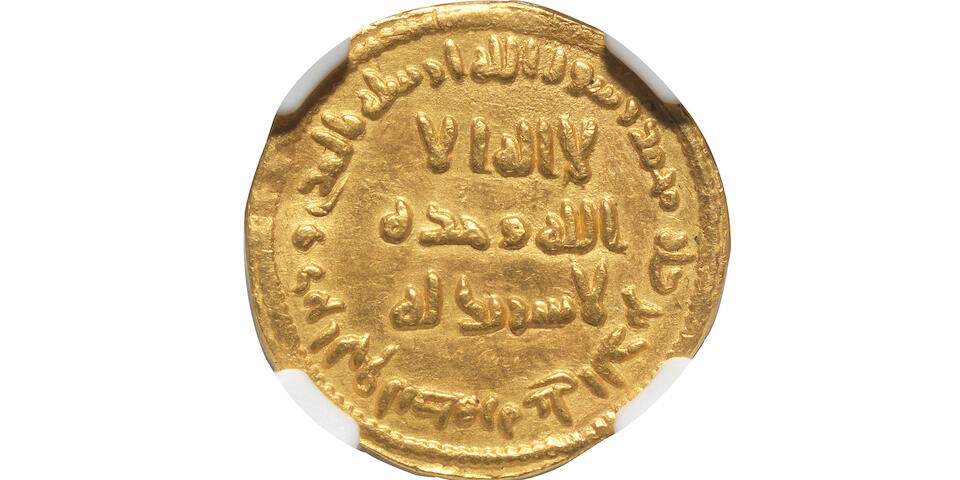
Bonhams is to offer Islamic coins for the first time as part of the forthcoming Islamic and Indian sale on 11 June in London. Leading the sale will be An Umayyad Gold Dinar from the Reign of ‘Abd al-Malik (AD 685-705). The Year 77H Dinar is an extremely rare example of the first Islamic coin and has an estimate of £100,000-150,000.
The coin dates from the reign of Abd al-Malik, who was a member of the first generation of born Muslims. It seemed inconceivable to him that the flourishing Umayyad Caliphate did not have a currency of its own – that affairs of state, and everyday commerce, were being conducted using Byzantine coinage, or copies of it, featuring Christian symbols and images of foreign leaders. Following a period of development and transition, which saw the production of a de-Christianised Byzantine solidi – a proto-type gold coin depicting a standing Caliph – The Year 77H Dinar, the first entirely Islamic coin, was produced.
Head of Bonhams Islamic and Indian Department, Oliver White, commented: “The Year 77h Dinar is fascinating, and its significance to early Islamic history cannot be overstated. In an age before printing and modern communications, coinage was the most effective tool a government possessed to sway the hearts and minds of the people. Anyone bearing this coin carried with them a powerful religious message, which explained to new followers the principle tenets of the new faith. The 77h Dinar, the first purely Islamic coin, formed the basis of almost a thousand years of subsequent coinage in the Islamic world – each coin spreading the word of Islam.”
The coin is highly symbolic in its simplicity. There is no image, no reference to a ruler or a place. There are only statements of faith and a date, which is noted only in the context of the Hijrah. The central three lines simply read ‘There is no god but God alone, He has no associate‘, with the reverse reading ‘God is one, God is eternal, He does not beget, nor is He begotten‘. Encircling the inside of the coin is the line, taken from the Qu’ran, ‘Muhammad is the messenger of God, who sent him with guidance and the religion of truth that he might make it supreme over all religions‘, whist the reverse simply states, ‘In the name of God, this dinar was struck in the year seven and seventy‘.
Though the exact date on which this coin was introduced into circulation is not recorded, the rarity of this issue suggests that it was probably towards the end of the year 77, potentially to coincide with the pilgrimage season at the time of the ‘Eid al-Adha. The coin offered is believed to be the only professionally graded example of the coin.
The coin section of the sale will also feature:
• An Abbasid dinar from the reign of Harun Al-Rashid dated 171 AH. Estimate: £6,000 – 8,000. In the year AH 170 caliph Harun al-Rashid broke with tradition and placed his name on the coinage. For the years AH 170-171 his name and title were inscribed across the central reverse field citing him as Harun amir al-mu’minin, ‘Harun Commander of the Faithful. Harun al-Rashid is best known as the ruler who appears in some of the tales of the One Thousand and One Nights, some of which are set at his court. • A Mongol gold dinar of a type struck during the reign of Genghis Khan, dated 639 AH. Estimate: £5,000 – 7,000. • Two Umayyad silver Dirams from Islamic Spain, Cordoba, dated 108AH and 119 AH. Estimate: £2,800 – 3,400.
Other sale highlights include:
• A Fine Gem-set and Enameled Gold Minute Repeater Pocket Watch Made for and Bearing the Initials of Awn al-Rafiq, Sharif of Mecca, by Constant Piguet, Switzerland, circa 1900. Estimate: £50,000 – 70,000. • An Indo-Portuguese Silk-Embroidered Linen ‘Five Senses’ Coverlet (Colcha). Gujarat, 17th Century. Estimate: £30,000 – 40,000. • A Study of a Bird Perched on the Branch of a Flowering Plant, by Shaykh Zayn al-Din, from the Collection of Lady Impey. Company School, Calcutta, dated 1777. Estimate: £25,000 – 35,000. • A Large Metal Thread-Embroidered Calligraphic Panel (Hizam) From the Belt of the Qa’ba. Mecca, 20th Century. Estimate: £20,000 – 30,000.
The sale will also feature The Nugent Collection of Company School Paintings. William Dalrymple‘s article, for Bonhams Magazine on The Company School, The Nugent Family and the works offered, ‘In Good Company‘, can be read here: https://www.bonhams.com/press_release/30048/
The sale will be a live ‘behind-closed-doors’ auction on 11 June. An auctioneer will be present on the rostrum, and bids will be accepted in the following formats: online, on the phone, or by leaving an absentee bid. All bidding will be done remotely in accordance with the latest government guidelines.