Salome and the Head of St. John the Baptist, a Biblical Work by George Frederic Watts in Homage to Titian

The Victorian painter’s canvas conveys a moralizing message, while paying homage to his teacher Titian.
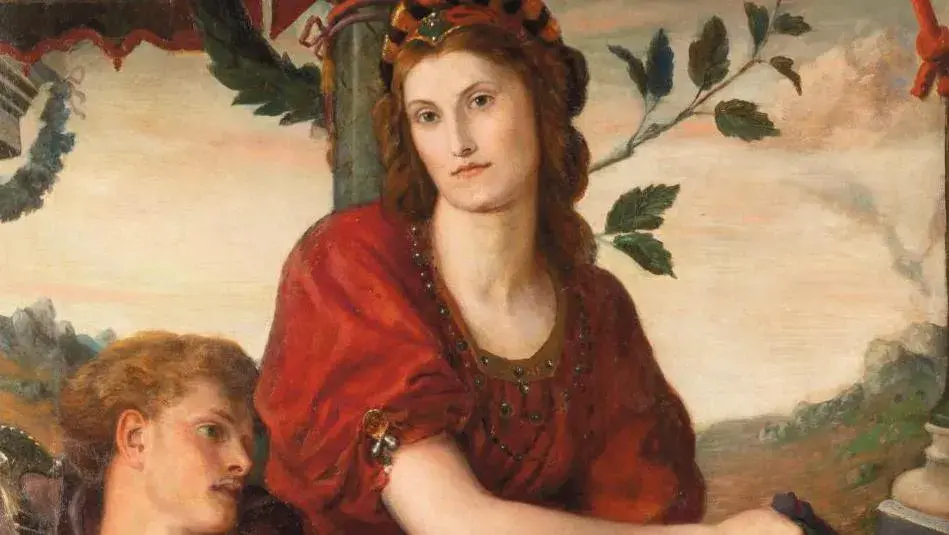
George Frederic Watts (1817-1904), The Daughter of Herodias, oil on canvas, 120 x 76.5 cm/47.24 x 30.11 in.
Estimate: €150,000/200,000
George Frederic Watts (1817-1904), The Daughter of Herodias, oil on canvas, 120 x 76.5 cm/47.24 x 30.11 in.
Estimate: €150,000/200,000

There is no overt provocation in Salomé’s demeanor. Seated, a vague air of defiance in her frontal gaze, she lifts a piece of cloth concealing a rich gold dish in which the head of John the Baptist is visible. Behind her, a young soldier cleans the bloody blade of the sword used for the sinister task, while at her feet, a wolf licks its paws contentedly. This is not the dancing, seductive Salome — as portrayed by Gustave Moreau, among others — but a woman proud of her accomplished task, yet depicted with a hint of density. The composition is meticulous, large-scale and unmistakably the work of a master. But which one? The only drawback is that it is neither signed nor dated. Looking at the work, one is irresistibly reminded of the Pre-Raphaelites, and its recent discovery in Italy — a kind of art-historical wink — makes this hypothesis seductive. However, if it was indeed painted by an English artist, Mark Bills, former Chief Curator of Paintings and Drawings at the Museum of London from 2001 to 2006, and Curator of the Watts Gallery in Guildford from 2006 to 2013, attributed it to George Frederic Watts. The Victorian art specialist puts forward several arguments in support of this hypothesis, not least the influence of Titian. Watts was fascinated by the Venetian master, whom he discovered on his second trip to Italy in 1853, the presumed date of the painting’s conception. The work’s composition and color effects — particularly that of Salome’s red dress — compares with Titian’s 1515 painting of the same subject, now in the Galleria Doria Pamphilj in Rome. The face of Herodias’ daughter, with its powerful symmetry and prominent jawline, is characteristic of Watts’ aesthetic, and can be found in several of the artist’s female portraits. The closest is Lady Ashburton (1857, location unknown), whose features are almost identical. But the most decisive element is the head of St. John the Baptist, for which it is arguably a self-portrait of Watts. A photograph taken by James Soame in 1854 shows him with the same full beard and similar elongated face. Finally, the idea that Titian might have done the same with his Salome of Rome (accepted by a number of art historians, including Erwin Panofsky) may have made this idea attractive to Watts.

More about
Gustave Moreau (1826-1898)

The Moralizing Work of an Austere Painter

The Victorian era was not exactly a carefree time. A certain puritanism was de rigueur, conveyed by the powerful Church of England. Although he was not an active member, Watts often painted biblical subjects, by virtue of his belief in improving the character of those who looked at his work. This idea, widespread in 19th-century Britain, explains why the majority of Watts’ works carry a moral and ethical message. The image of Salome, repeatedly used by painters since the 16th century, is a case in point. For good measure, Watts added a wolf to the young woman’s foot, an animal symbolizing the thirst for power as well as a form of lust. It was a fitting subject for an artist with a mystical bent and a well-established reputation. In 1892, the Pall Mall Gazette wrote of him that “Watts was serious, lacked a sense of humor and was politically radical – twice refusing the title of baronet”. Quite a character! It wasn’t all doom and gloom, however, as the same newspaper pointed out: “He was very sensitive to the appalling living conditions of the urban poor. Watts considered the fact that the country’s upper classes were taking huge sums of money they hadn’t earned to be a great evil.” He thus devoted four paintings to social tragedies in London and Ireland. Watts’ love life was rather tumultuous, as the Pall Mall Gazette points out: “In middle age, this serious and already elderly painter made a short-lived and totally disastrous marriage with the great actress Ellen Terry, then in her teens.” Although the union lasted only a year, Watts used the young girl as the model for his portrait Choosing (National Portrait Gallery). His second marriage in 1886 to Mary Fraser Tylter, thirty years his junior, was a happy and artistically fruitful one. An excellent portraitist, Watts was a celebrity during his lifetime, being the only artist to be among the first twelve recipients of the Order of Merit, newly instituted in 1902. A complex artist, whose works touched the heartstrings of his time.


Salomé, a Woman Misunderstood

“Whatever you ask of me, I will give you, even if it’s half my kingdom”. So says the tetrarch Herod Antipas — according to the Gospel of Saint Mark — to Salome, daughter of Herodias. She had just performed a dance that pleased her great-uncle — or uncle and/or father-in-law, depending on tradition. The price of this dance is well known: the head of the holy preacher, requested by… Herodias. In the Scriptures, Salome is referred to by the Greek word korasion, a diminutive of korè (young girl), as she was no more than 11 or 12 years old at the time. It was not until three centuries later that she metamorphosed into an erotic figure in a sermon by Saint Augustine, an image that would endure through time, and conveyed by artists. Watts is no exception to the rule, highly inspired by figures of powerful women. He returned with another version of the same subject in an 1885 painting (private collection). The vision is very different: Salomé is triumphant, looking straight at the viewer and brandishing Herod’s ring, thus exonerating herself of all guilt. Seductive and bewitching, Salomé epitomized the castrating femme fatale of the late 19th century. Although her popularity subsequently waned, she has yet to be redeemed.

Paintings – Furniture and objets d’art

Wednesday 18 December 2024 – 14:00 (CET) – Live

Salle 16 – Hôtel Drouot – 75009 Paris

Paris Enchères – Collin du Bocage
Info and sales conditions

Catalogue

Béatrice Ephrussi de Rothschild, a Fanciful Collector

Of all the collectors in the Rothschild family, Béatrice, a leading figure in France’s Gilded Age high society, was among the most whimsical. The artworks and objects selected from her Saint-Jean-Cap Ferrat villa that were exhibited at FAB reflect her originality.

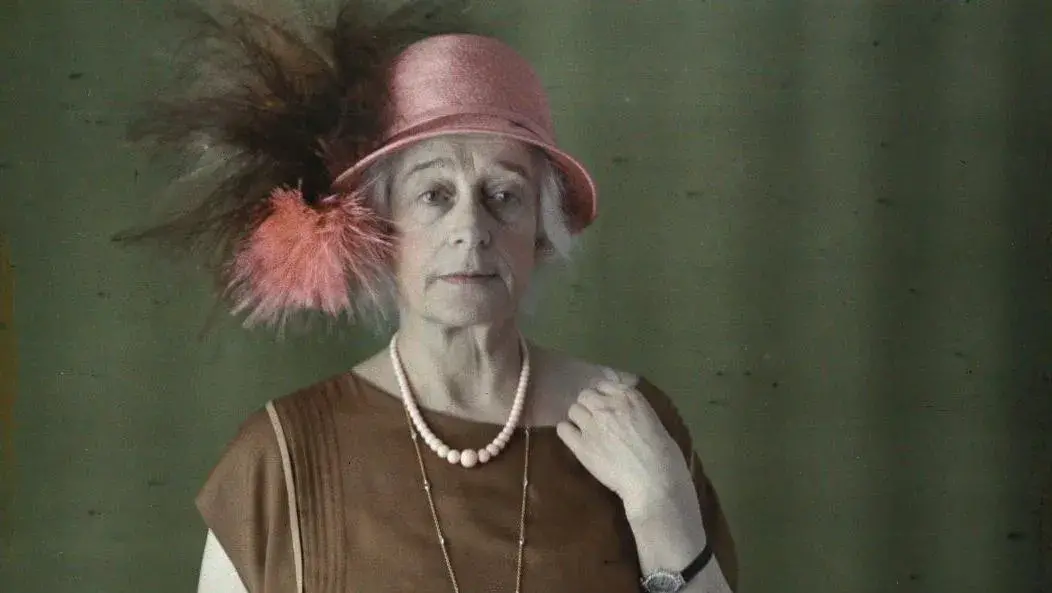
Portrait of Madame Charlotte-Béatrice Ephrussi, née Rothschild, at Albert Kahn’s estate, Boulogne, June 27, 1923, autochrome by Georges Chevalier, 18 x 13 cm/7.08 x 5.11 in, inv. A38251.
© Collections du musée départemental Albert-Kahn/Département des Hauts-de-Seine
Portrait of Madame Charlotte-Béatrice Ephrussi, née Rothschild, at Albert Kahn’s estate, Boulogne, June 27, 1923, autochrome by Georges Chevalier, 18 x 13 cm/7.08 x 5.11 in, inv. A38251.
© Collections du musée départemental Albert-Kahn/Département des Hauts-de-Seine

“I want to illustrate a collector’s taste,” says Oriane Beaufils, the young woman newly appointed as curator at the Villa Ephrussi de Rothschild.  The 50 art objects she has brought from Saint-Jean-Cap-Ferrat to the FAB Paris show at the Grand Palais sketch a portrait of their former owner.  Béatrice Ephrussi free-spiritedly mixed masterpieces of French 18th-century joinery with curious furniture.  The show celebrates two anniversaries: her birth in 1864 and the 90th year since her donation to the Institut de France. Indeed, the baroness bequeathed the Saint-Jean-Cap Ferrat villa and 5,000 works from her different residences, including furniture, textiles, sculptures, curios and paintings, from the early Italian Renaissance works to the Impressionists, to the Académie des beaux arts, but under one condition:  that the future museum preserve the atmosphere of a home. A family trait Béatrice—Charlotte Béatrix was her real name—grew up among prestigious collections.  Her paternal grandfather, James de Rothschild, had the lavish Château de Ferrières built.  Her father Alphonse, a regent of the Banque de France, was an erudite aesthete, an admirer of old masters and a patron of the arts who championed the artists of his time.  When Béatrice was 19 years old she married Maurice Ephrussi, a friend of her parents from Odessa 15 years her senior.  The groom was unattractive and quite “vulgar”, according to the always-harsh Élisabeth de Clermont-Tonnerre, but he was a banker, Jewish and rich.  Béatrice, on the other hand, was graceful.  Journalist Léon Daudet, who dined with her at Marcel Proust’s home, wrote to his host that she resembled “a portrait by Nattier”.  Béatrice wore clothes by the best designers:  Doucet, Paquin and Poiret.  In Paris, the couple lived in a mansion at 19 avenue du Bois, where they gave countless parties.  Sometimes, to have a bit of fun, the mistress of the house would plan a reception without sending out invitation cards. She loved the idea that the invitation got around by word-of-mouth—between people from the same world, of course.  Unfortunately, the marriage was a failure.  Maurice was rumored to have given his tender wife a disease that prevented her from having children.  What’s more, he gambled. He lost fortunes at the race track and made disastrous speculative investments,  eventually running up a debt of 12 million gold francs.  Baron Alphonse loaned his daughter enough money to pay back the creditors—with interest.  The couple was legally separated in 1904, but to keep up appearances Madame Ephrussi continued using her married name.  Her father died a year later.

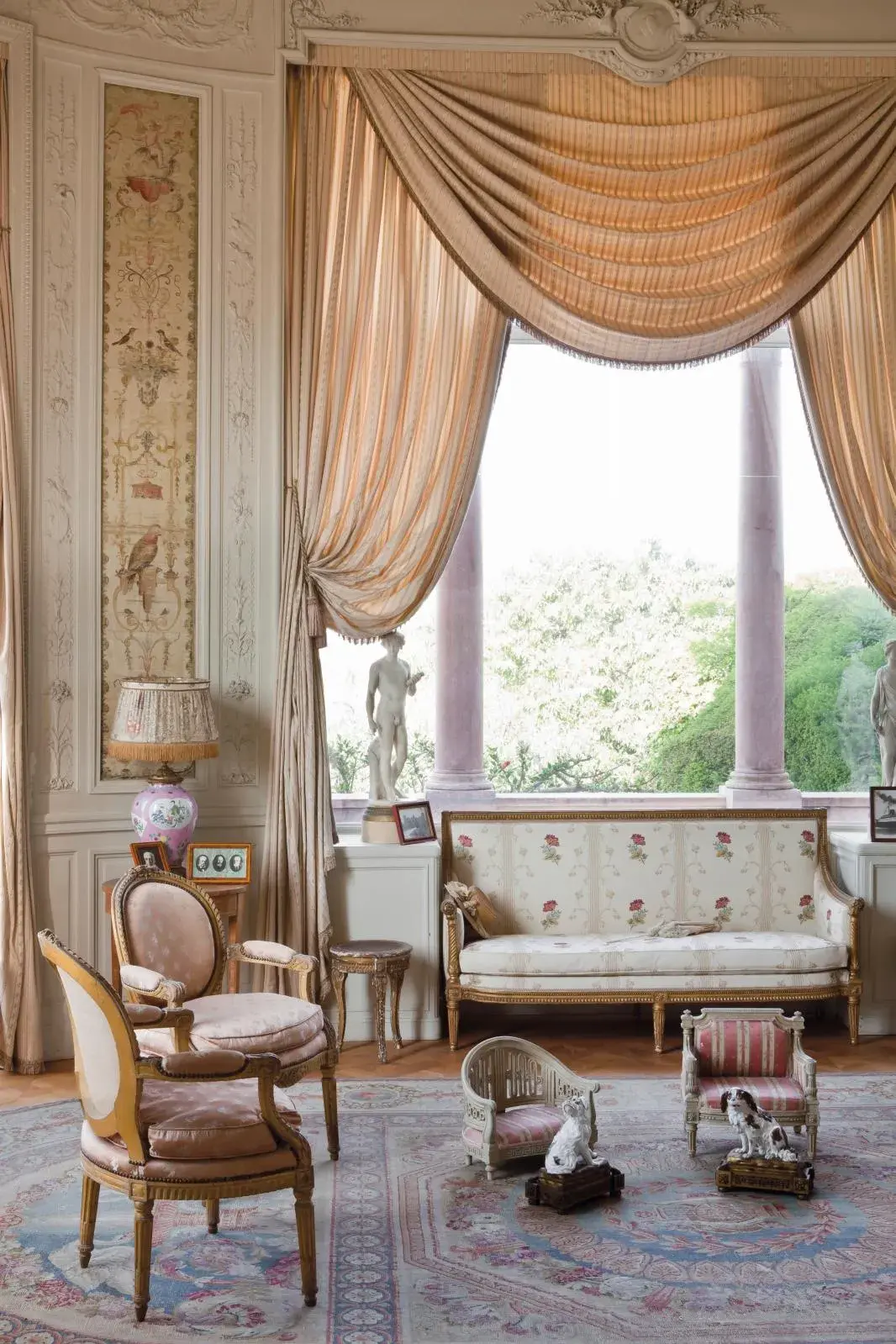
The decor pays tribute to the 18th century. The cheerful porcelain spaniels came from Meissen and the miniature chairs were used for the baroness’s adored poodles to sit on.
© Sophie Lloyd
The decor pays tribute to the 18th century. The cheerful porcelain spaniels came from Meissen and the miniature chairs were used for the baroness’s adored poodles to sit on.
© Sophie Lloyd
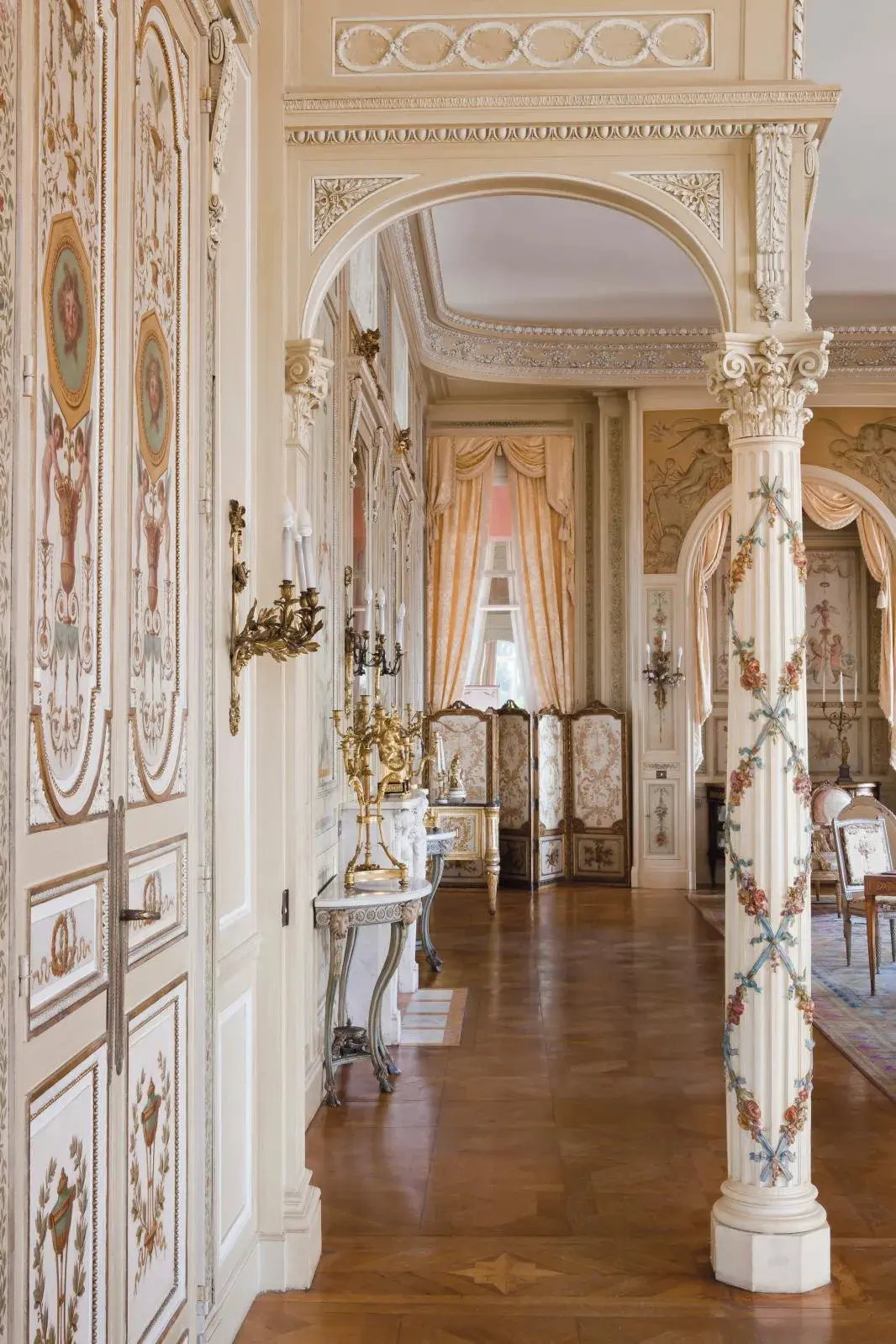
The Grand Salon, with doors from around 1780 featuring arabesques, illustrates Béatrice Ephrussi de Rothschild’s taste for the most delicate 18th-century paneling and painted furniture.
© Sophie Lloyd
The Grand Salon, with doors from around 1780 featuring arabesques, illustrates Béatrice Ephrussi de Rothschild’s taste for the most delicate 18th-century paneling and painted furniture.
© Sophie Lloyd

An Architectural Masterpiece

A monumental building project took Béatrice’s mind off her grief.  On a visit to the Côte d’Azur, where the privileged classes spent the winter, the baroness discovered the Cap Ferrat peninsula, an idyllic spot where she bought a seven-hectare (17.29 acres) plot of land on a rocky spur. The land was blasted flat with dynamite and tons of earth were hauled in to cover the barren rock.  Leading architects were asked to submit plans, including Charles Girault, who designed the Petit Palais in Paris.  For each of the nine projects submitted, Béatrice had a life-sized model made of plaster and trompe l’œil canvas.  Money  was no object. This extravagance allowed her to picture the future building. To design her beloved French-style gardens,  she had her employees stand around the grounds wearing green cardboard cones to envision the placement of the topiary sculptures. Nadine de Rothschild tells this and other stories in her entertaining book Très chères baronnes de Rothschild  Gourcuff Gradenigo, 2023. Béatrice eventually chose the plans by Paris architect Jacques Marcel Auburtin but entrusted their execution to a counterpart of his from Nice, Aaron Messiah, whose claim to fame was a Riviera residence for the Belgian King, Leopold II.  It took seven years and the baroness monitored the building site every day. She was omnipresent, demanding and capricious.  Of course, she was less assiduous when it came to paying the bills.  Ms. Beaufils sifted through her personal records, finding many letters from suppliers, joiners and masons claiming their due.  Completed in 1912, the Italian Renaissance-inspired palace features a number of odd additions, including a reproduction of the doorway of the church of Saint Médard in Paris on the façade. The spacious interior courtyard lined by pink marble columns recalls a Spanish patio.  The elevated house has heavenly views of the sea, with Beaulieu Bay on one side and Villefranche Harbor on the other.  Béatrice named the villa “Ile-de-France” in reference to an ocean liner—not the French ocean liner Art Deco masterpiece, but the ship built in 1903 for the Société générale des transports maritimes à vapeur.  According to legend, her gardeners had to dress up in sailor’s uniforms and berets with a pompom on top.  Curiosity prompted her to tour Italy, Egypt, Russia, India, China and Japan.  Baroness Ephrussi was an independent, modern, active woman.  She drove her three Rolls Royce cars herself at a time when just a very few daring women sat behind the steering wheel.  A sports enthusiast, she belonged to a women’s flying club  and even attended  boxing matches.  She also enjoyed music and dance. In 1909, she invited the Ballets Russes to perform Les Sylphides in her Paris mansion, as Pauline Prévost-Marcilhacy wrote in an INHA paper.  Béatrice faithfully attended the opera but could also be seen at the Folies-Bergère.  Her other indulgence was gambling.  She bought two properties in Monte Carlo, first the Villa Soleil, then the Villa Rose de France, just to be near the casino, decorating them with her usual free-spirited flair, even going so far as to turn an extremely rare 14th-century Italian altarpiece by the Master of Cesi into doors.

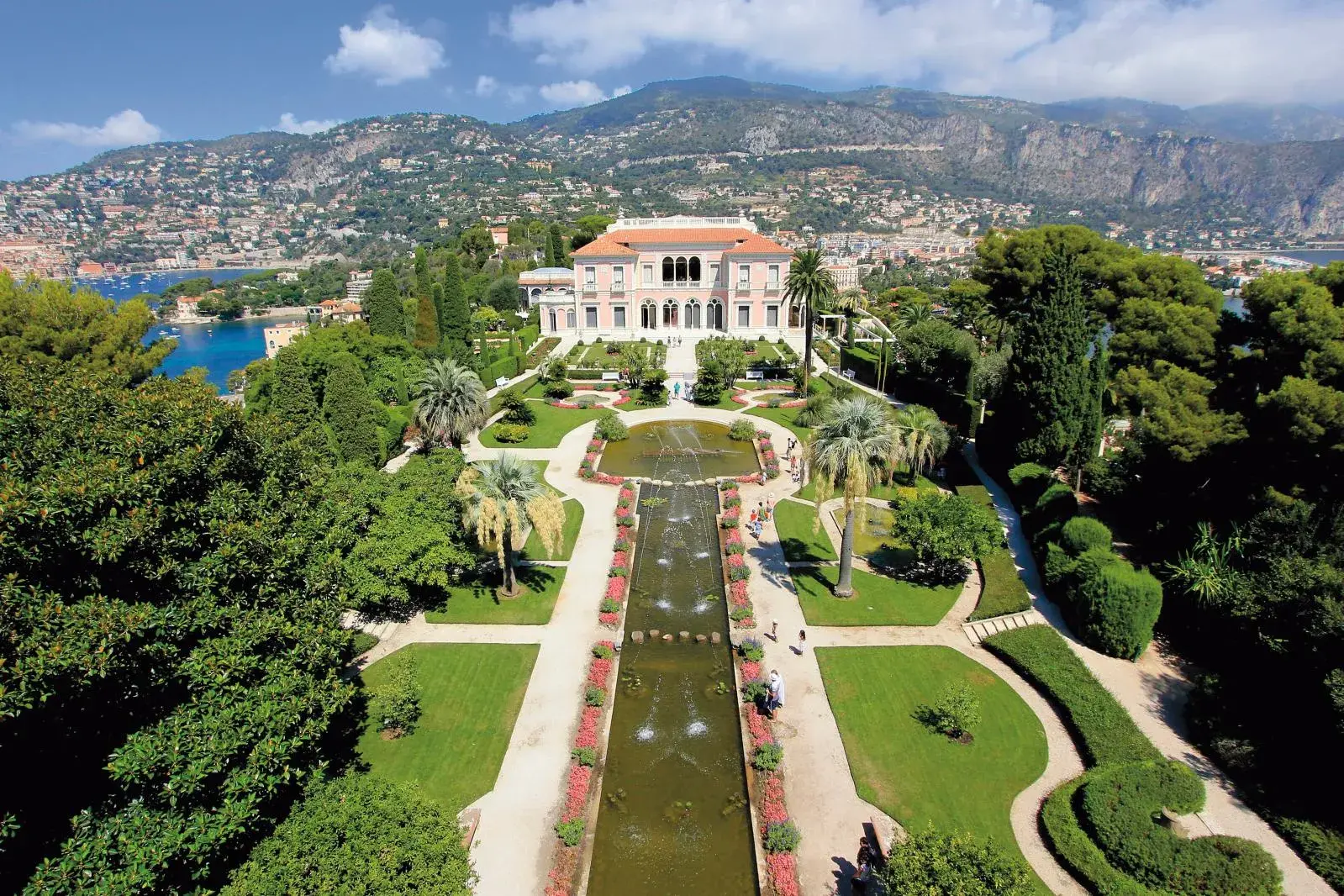
The Saint-Jean-Cap-Ferrat villa overlooks the sea like an ocean liner, which is why the owner named it “Ile-de-France”.
© Pierre Behar
The Saint-Jean-Cap-Ferrat villa overlooks the sea like an ocean liner, which is why the owner named it “Ile-de-France”.
© Pierre Behar

The Poodles and the Mongoose

The baroness loved animals. In 1897, The Morning Times, an American newspaper, reported on a historic event: the wedding of her two poodles, Diane and Major.  Diane wore a white satin gown, while Major was dressed in tails, a bow tie and patent leather shoes.  About a hundred guests and their dogs were invited.  Did the journalist make it all up?  Probably not. After all, this was a woman who kept a tamed mongoose that lounged on Louis XVI sofas and lived with monkeys.  Moreover, she liked the “singeries” that were fashionable during the Age of Enlightenment.  The wood paneling in her boudoir—genuine and copies—featured costumed animals parodying humans, while the display cabinets showcased a guenon-shaped teapot and an orchestra of musical monkeys made in Meissen.  The baroness was mad about porcelain,  which antique dealers Henri Stettiner and Auguste Vandermeersch tracked down for her. “She had the finest collection of Sèvres porcelain in France after that of the Louvre,” says Ms. Beaufils.  A thousand pieces, including 300 cups, illustrate every shape, style and color developed at Sèvres: celestial blue, “beau bleu”, lapis blue, “petit vert” and Pompadour pink, the baroness’s favorite color.  In 1975, the façade of the Villa Ile-de-France was painted candy pink, but during its owner’s lifetime it featured the same delicate sandy yellow color as old houses in Tuscany that, thankfully, will be restored  during the current renovation.

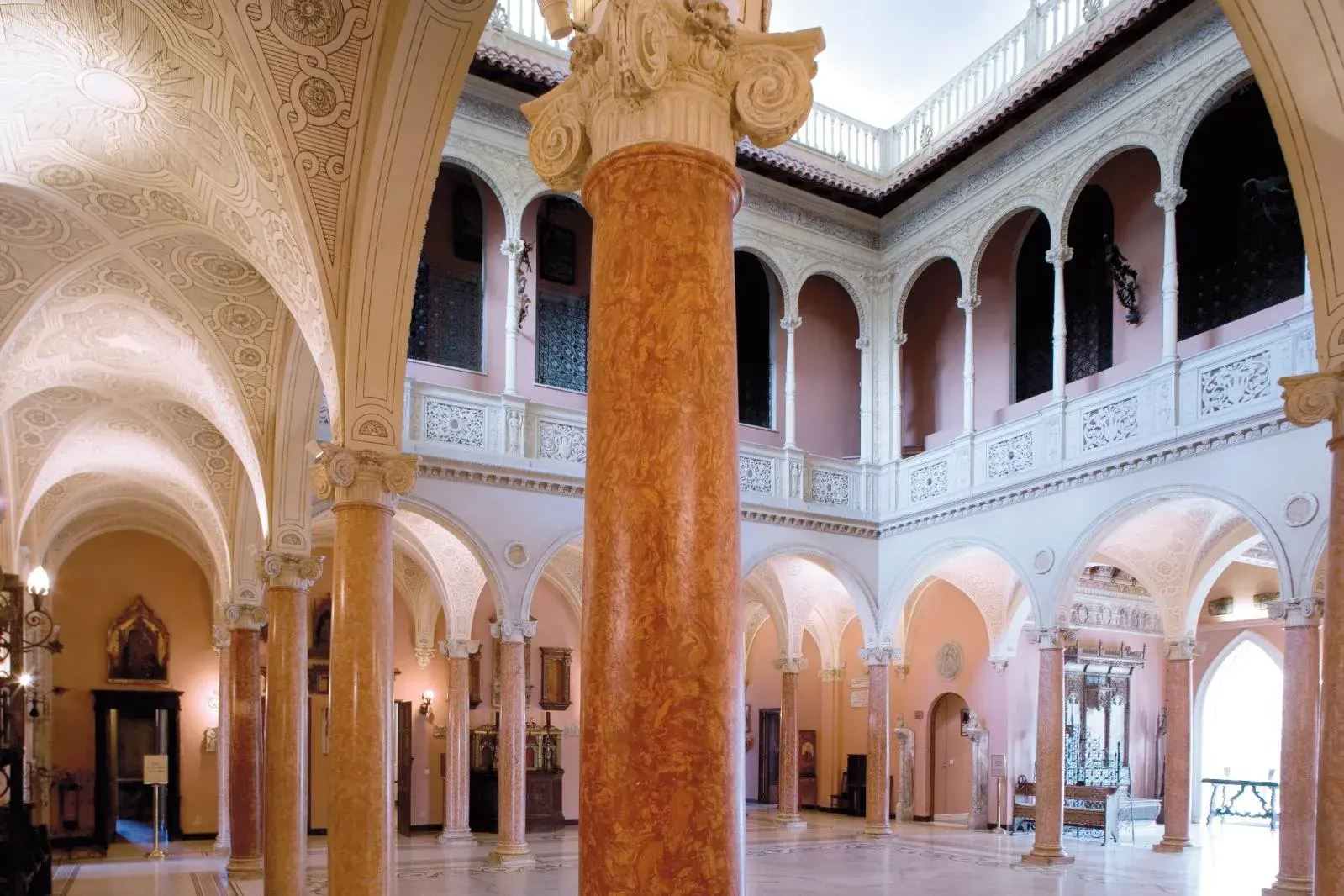
The Renaissance-inspired patio is lined by marble or stucco columns whose upper part is made of plaster on wood. The two-floor house even had an elevator.
© Christophe Recoura
The Renaissance-inspired patio is lined by marble or stucco columns whose upper part is made of plaster on wood. The two-floor house even had an elevator.
© Christophe Recoura

Béatrice Ephrussi de Rothschild
in four dates
1864
Born September 14 in Paris
1905
Buys a seven-hectare (17.29 acre) plot of land on Cap Ferrat
1912
Opens the “Ile-de-France” villa
1934
Bequeaths the “villa-museum” and its collections to the Académie des beaux-arts

Worth reading
La Villa Ephrussi de Rothschild – Histoire et collections by Oriane Beaufils, Académie des beaux-arts 2024, 146 pages, €19

The Refined Eclecticism of Marc Blanpain’s African Art Collection

In 40 years, Belgian banker Marc Blanpain brought together classic works of Non-European art, including unique pieces, which makes this sale exceptional.

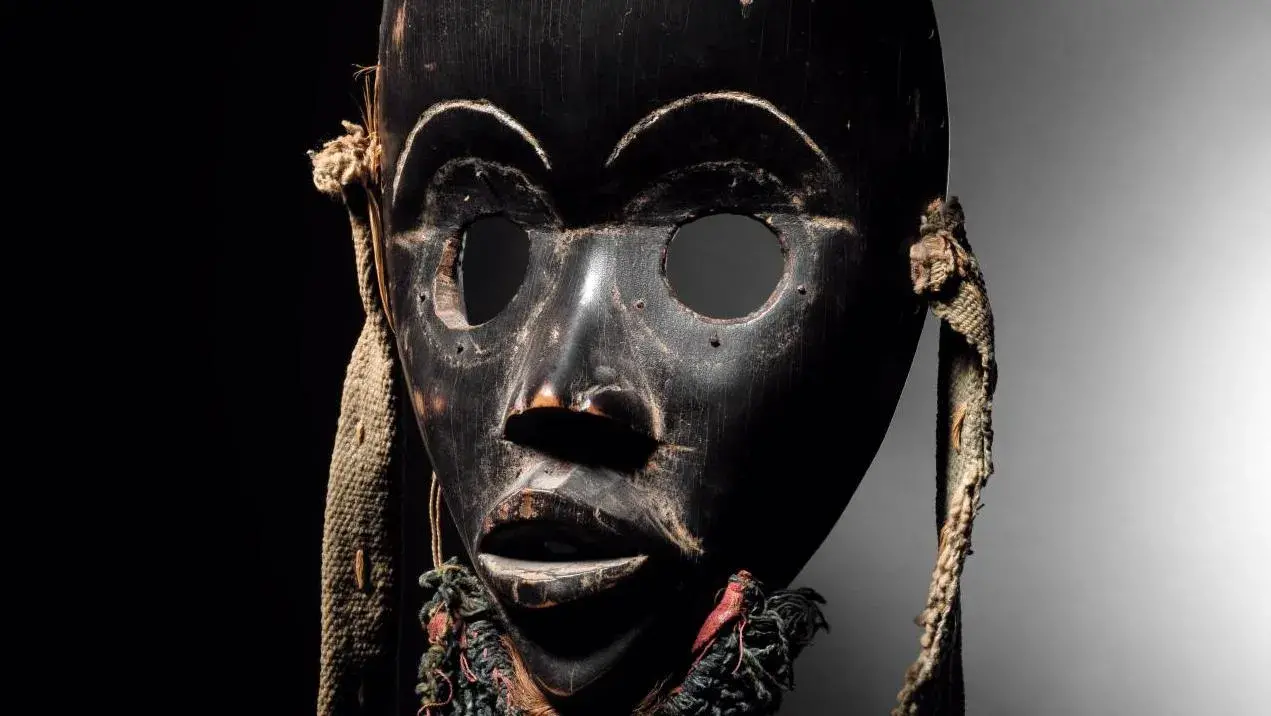
Dan, Ivory Coast,  mask with round eyes, wood, fabric and fiber, h. 23 cm/9.05 in.
Estimate: €20,000/30,000
Dan, Ivory Coast,  mask with round eyes, wood, fabric and fiber, h. 23 cm/9.05 in.
Estimate: €20,000/30,000

In the 1980s, about 10 works were stolen from Marc Blanpain’s collection of Greek, Hellenistic, Etruscan, Roman and Asian art, which had a strong emphasis on terracotta. Had it not been for this traumatic event, he probably would not have set his sights on traditional African art. Inconsolable, he turned the page and stopped buying.  That is when he met and became friends with Jean-Paul Barbier, who introduced him to Nok, Djenné, Bankoni and other African terracotta sculptures in the cellars of his Barbier-Mueller Museum in Geneva. The flame was relit, the wheels began turning and Mr. Blanpain got in touch with an old university friend, Pierre Dartevelle, now a well-known antique dealer in Brussels.  He bought all his pieces from him or from auction houses, heeding his Swiss friend’s advice for the first five years: “As soon as I spotted something I liked, I’d send him pictures of it (front, back, two profiles) to get his opinion,” he writes.  That is how he trained his eye. He also read many books and made his way forward, guided in part by his ongoing interest in terracotta, as several lots from the December 6 sale illustrate: a Djenné-Jeno seated figure (Mali), scientifically dated to between 1030 and 1270 (€30,000/50,000), an Igbo maternity figure, (Ntekpe) from Nigeria that had belonged to Jacques Kerchache (€10,000/15,000) and a Bankoni male statue (Mali), dated to between 1224 and 1474 (€10,000/15,000).  Standing human figures are rare in terracotta statuary, suggesting that the Bankoni work may have been used in old initiation rites.  But Mr. Blanpain’s curiosity did not stop there. He explored African art more generally, sensitive to certain striking pieces, such as a Ijebu-Yoruba bronze ritual face bell (Omo) from Nigeria (€20,000/25,000), a Kongo ivory royal scepter from the Democratic Republic of Congo (€40,000/60,000) and a wooden Chokwe statue from Angola (€50,000/70,000).  “Stylistically, it belongs to the Muzamba school,” notes Belgian dealer Bernard de Grunne.  A string of workshops between Angola and Congo interpreted the epic of the great Chokwe hunter and civilizing hero Chibinda Ilunga with pieces that always feature the same characteristics, like oversized hands and feet as well as finely carved joints and nails.”

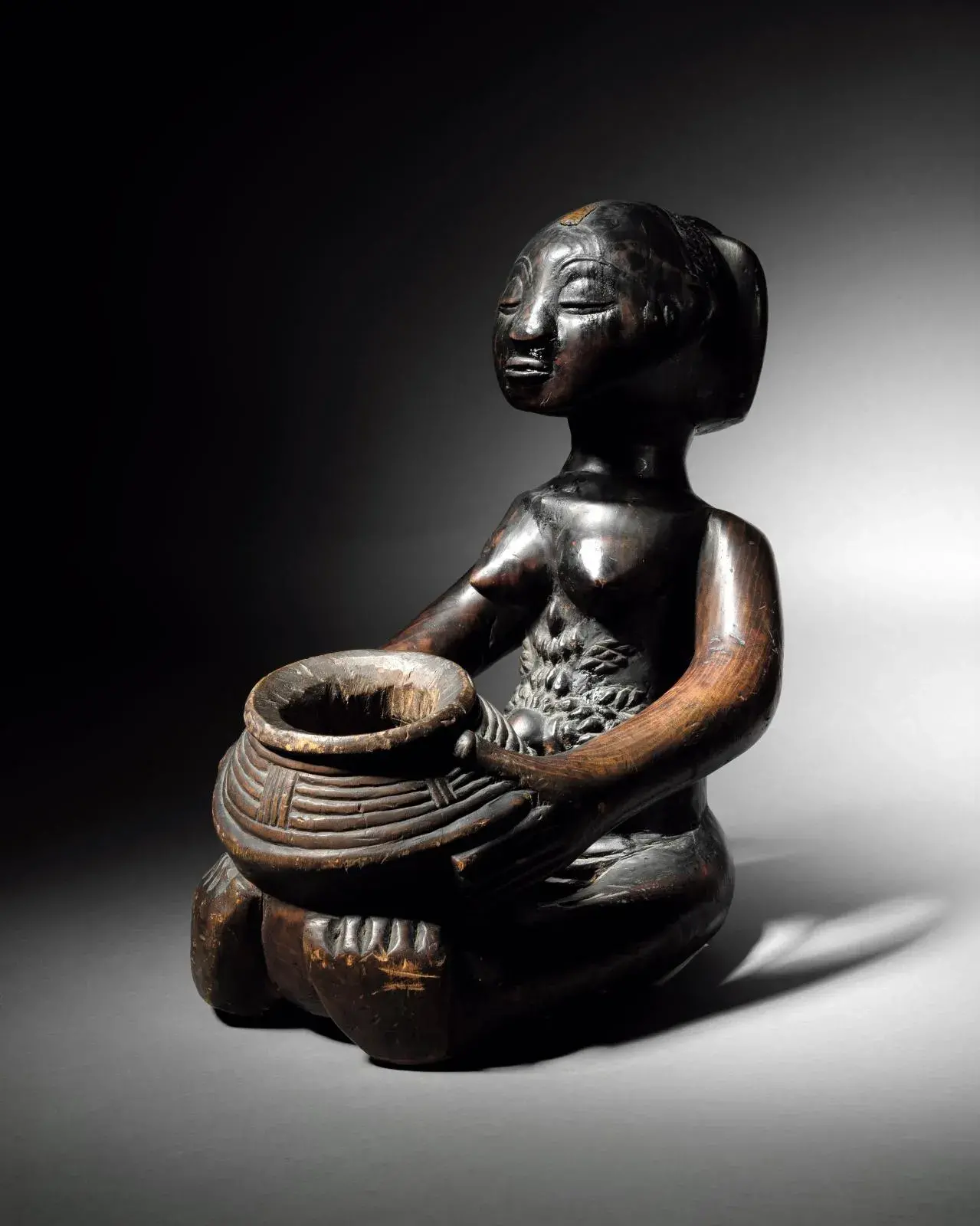
Middle Luvua workshop, Luba, Democratic Republic of Congo,  cup-bearer, wood, h. 40 cm/15.74 in.
Estimate: €80,000/120,000
Middle Luvua workshop, Luba, Democratic Republic of Congo,  cup-bearer, wood, h. 40 cm/15.74 in.
Estimate: €80,000/120,000

The Most Striking Pieces

There are fewer than 150 objects in the Blanpain Collection, and just 71 are up for sale.  “The most important ones are there,” says Mr. de Grunne, who after a nearly 10-year hiatus away is back on the job as an auction expert in Paris.  He knows Mr. Blanpain and his works very well, having exhibited some of them at the Banque générale du Luxembourg in 2005.  Mr. Barbier paid tribute to his friend in the catalog, whose cover features the Luba cup-bearer (€80,000/120,000): “Marching to the beat of a different drummer, listening only to his heart, Marc gives in to impulses that it would be nice to see more often.  The proof is this admirable Bongo head that many connoisseurs would hesitate to buy: the style is so unfamiliar.”  The head (€20,000/30,000) is one of the works that Mr. de Grunne finds most interesting because it is the most destabilizing.  “This astonishing, moving, mysterious, fascinating object has an incredible presence, a sort of inexplicable naturalism in the art from this part of Sudan,” he says.  The realism and the sculptor’s attention to the now-fragmentary figure’s eyes, which seem to be gazing inward, heightens the emotion.  The object is unique, like the monumental Mungambua Basikasingo bust from the Democratic Republic of Congo (€40,000/60,000): a human figure with a triangular mask descending to the lower abdomen.  “When Marc bought it 25 years ago,” says Mr. de Grunne, “no one had really ever seen anything like it.  I talked it over with him, and upon further research, found another, smaller one and a larger one.  The iconography mixes different influences and styles.”

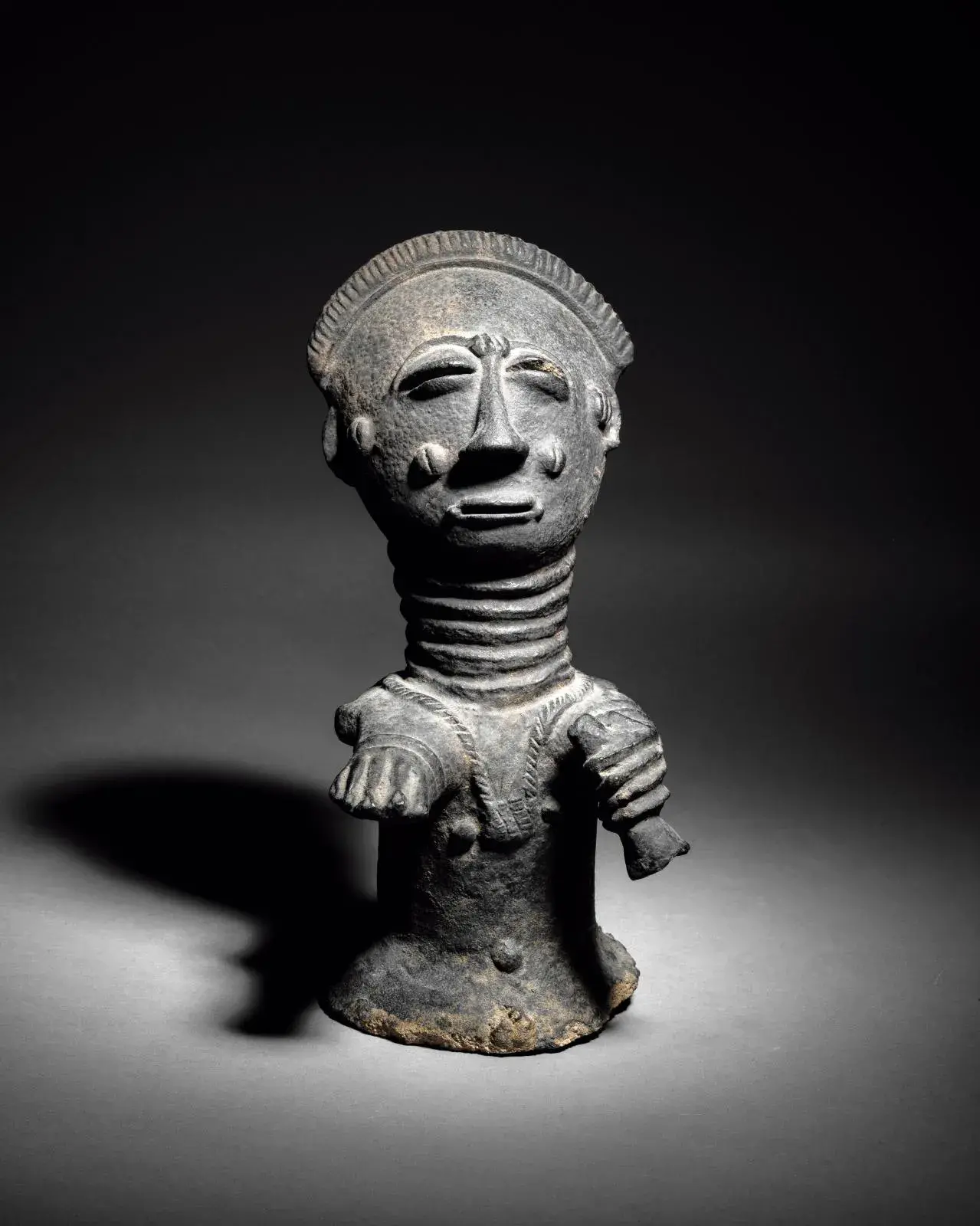
Krindjabo region, Aryi-Sanwi, Ivory Coast,  Mma terracotta funerary bust, h. 29 cm/11.41 in.
Estimate: €20,000/30,000
Krindjabo region, Aryi-Sanwi, Ivory Coast,  Mma terracotta funerary bust, h. 29 cm/11.41 in.
Estimate: €20,000/30,000

A New Life

Mr. Blanpain is turning the page.  After living with all these objects, first in his bank’s offices, then at home, at 86 he has decided to part with them.  The fun of sharing and friendly competition with his friends is no longer possible:  Mr. Barbier died in 2016, Mr. Dartevelle in 2022.  The time has come to let these objects touch other collectors’ hearts and see how the market will react.  “I think this is a very solid, interesting, refined and eclectic collection, with classic works like Fang, Bambara and Luba statuettes, but also unusual and very well chosen items,” Mr. de Grunne concludes.

MARC BLANPAIN COLLECTION

Friday 06 December 2024 – 16:00 (CET) – Live

Salle 2 – Hôtel Drouot – 75009 Paris

Giquello

Info and sales conditions

Catalogue

Rare Norman Rockwell Estate Auction: Parker Limited Edition Fountain Pen – Hosted by SJ Auctioneers, Year-End 2024

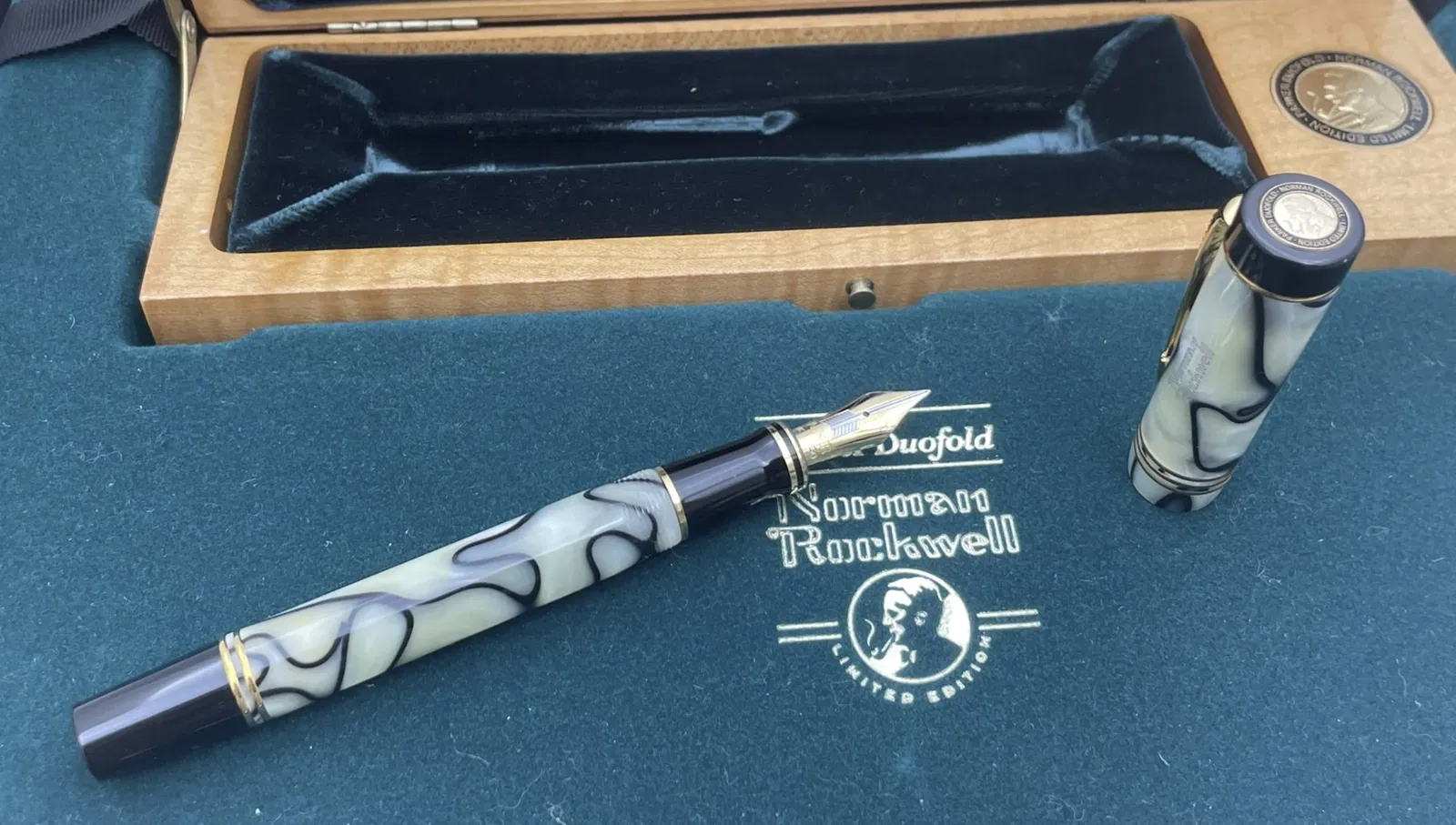
Parker Rare Norman Rockwell Limited Edition Fountain Pen with Original Documentation & Fine Prints

SJ Auctionners willl host a rare year end 2024 estate auction Own one of the items a rare estate from Norman Rockwells son. A Pen Parker Rare Norman Rockwell Limited Edition Fountain Pen with Original Documentation & Fine Prints. From the Estate of Norman Rockwell’s son, this exceptional Parker Duofold Norman Rockwell fountain pen, numbered 1,894 out of a limited edition of 3,500, with an 18k gold nib and a marble style design, presents extraordinary and rare documentation, including letters from Parker regarding the pen, a certificate of authenticity and four original, numbered prints, as well as additional photographs of the pen and other documentation. It is also sold with 4 unused ink refill cartridges, in its original full leather case and with the original dust bag. This is a truly exceptional ensemble in very good condition. Norman P. Rockwell (February 3, 1894 – November 8, 1978) was an American painter and illustrator. His works have a broad popular appeal in the United States for their reflection of the country’s culture. Rockwell is most famous for the cover illustrations of everyday life he created for The Saturday Evening Post magazine over nearly five decades. He is also noted for his 64-year relationship with the Boy Scouts of America (BSA), during which he produced covers for their publication Boys’ Life (now Scout Life), calendars, and other illustrations. Rockwell was a prolific artist, producing more than 4,000 original works in his lifetime. Most of his surviving works are in public collections

Bidding is open  now live

https://www.liveauctioneers.com/catalog/353477_toys-collectibles-jewelry-decor-silverware

Join Morphy’s in Vegas for Dec. 5-7 auction of coin-ops & antique advertising with highlights from Rich and Sharon Penn collection

Featured: 1905 Ray-O-Lite arcade rifle game, $100K-$200K; naïve circa-1910s John Deere Plows sign, $40K-$70K; Anheuser-Busch 1930 Cadillac ‘Bevo Boat’ and circa-1927 Ahrens-Fox fire engine, each $50K-$150K

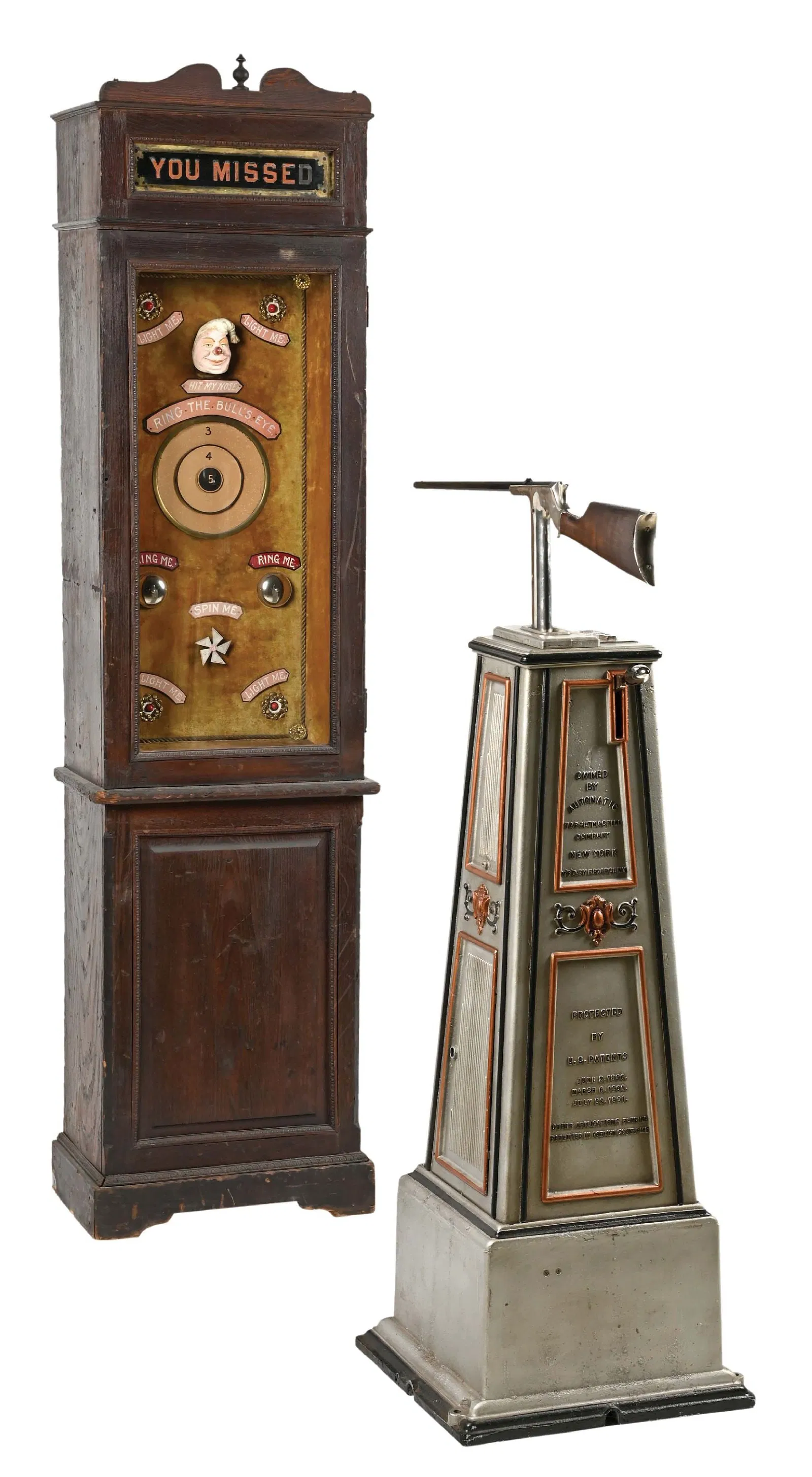
Very rare circa-1905 Ray-O-Lite rifle game made by Automatic Target Machine Co., possibly the only surviving example with its original target cabinet - $100,000-$200,000
Very rare circa-1905 Ray-O-Lite rifle game made by Automatic Target Machine Co., possibly the only surviving example with its original target cabinet – $100,000-$200,000

LAS VEGAS – This holiday season, visitors to bustling Las Vegas will have their pick of world-class entertainment of all types. Hotels on the glittering “Strip” will be showcasing Shania Twain, Cirque du Soleil, David Copperfield, and classic rockers REO Speedwagon and the Eagles, to name but a few of the A-list headliners. But that’s not the only form of entertainment to enjoy in Vegas in the run-up to Christmas. From December 5-7, Morphy’s will be hosting a big Coin-Op & Antique Advertising Auction brimming with music, arcade and gambling machines, as well as fabulous antique and vintage signage promoting everything from barber shops to beverages and candy to coffee. The atmosphere at these special Las Vegas events is always light-hearted and welcoming, but those who cannot attend in person can still join the fun by bidding absentee, by phone or live online through Morphy’s bidding platform.

All items offered in the Saturday session (Dec. 7) come directly from the prestigious Rich and Sharon Penn collection, including a very rare circa-1905 Ray-O-Lite rifle game made by Automatic Target Machine Co. It is especially desirable because it is dry-cell-battery-operated, as opposed to the later revamps introduced by William Gent in the 1920s, which were AC-powered. The auction example has nine unique target features, is all original and in VG working condition with an added cord extension. An extraordinary buying opportunity and fresh-to-the-market from a legendary collection, it is possibly the only surviving example with its original target cabinet. Its presale estimate is $100,000-$200,000.

Another top prize from the Penns’ holdings is an original circa-1910 5¢ Mills Dewey upright slot machine with original music, presented in its original-finish quartered oak cabinet with the original back door. The front glass is an older replacement featuring lustrous lettering and a colorful tin-litho wheel. Fully functional, in VG condition and offered with its keys, the unit’s pre-sale estimate is $12,000-$24,000.

The smartest equine in the saleroom is sure to be the amusing central figure seen in Mike Gorski’s recreation of a circa-1892 Roovers Bros “Educated Donkey” machine. As the sign on this delightful 79-inch-tall arcade amusement states, the “Donkey Wonder Will Solve Your Problems,” referring to the donkey automaton who turns a ship’s helm to select a number and dispense a fortune, all for the bargain price of a penny. In Excellent condition with keys included, the machine is expected to reach a winning bid of $10,000-$20,000. 

The auction room will glow with the warm beauty of vintage neon, as seen in a circa-1930s Poll Parrot Shoes single-sided porcelain sign. It is impossible not to be drawn to its fantastic image of the footwear brand’s parrot mascot, which is depicted in a vibrant palette of red, green and yellow. In exceptional 9.5+ condition, the 43- by 14- by 59-inch sign is estimated at $10,000-$20,000.

Breweriana collectors would appreciate the unique “extras” on a circa-1940s two-piece Budweiser porcelain neon marquee sign, which has attached “privilege” panels. Each is marked “J Garavaglia,” presumably the name of the proprietor of a bar or other establishment that served Budweiser beer. Composed of two single signs hinged together – each graded 8.9 out of 10 – this showy marquee requires no apologies for its condition. Both its cans are excellent with absolutely no signs of rust or rot. Maker-marked “Kirk Signs” and measuring 113 inches wide, it is estimated at $10,000-$20,000.

A fantastic John Deere Plows single-sided tin sign, made circa 1910s, depicts the brand’s leaping-deer logo against a smaltz-painted background. With an early, naïve look that collectors love, it is marked on verso “John Deere Plow Co. Kansas City, MO” and “A.H. Lewellen. Dewitt, MO.” Wood framed, it also has reinforcement wood on its back side. This large (144 inches wide), extremely impressive piece comes from the lifetime collection of Rich and Sharon Penn and is estimated at $40,000-$70,000.

Another high-quality entry from the Penn collection is a stunningly beautiful circa 1910s-1920s reverse-glass corner sign advertising Round Oak Stoves, Ranges and Furnaces. It is graced by a Native American portrait graphic within an oak-leaf cartouche and is further enhanced by backlit lighting. It also retains its original metal-frame border and metal backing that would have enabled it to be affixed to the corner of store shelving or perhaps a building. In 9.0 condition, it comes to auction with an $8,000-$16,000 estimate.

As visually exciting today as it was more than a century ago, a circa-1910s “Corner Drug Store” leaded-glass light is formed as a highly-decorative mortar and pestle. Its very attractive design has a multicolored “jeweled” center and the words “Cigars” and “Prescriptions” around the bottom. All panels display strong colors, especially when illuminated by its internal fluorescent bulb. It is also equipped with a modern power cord. The sign’s height to the top of the pestle is 43 inches, and its condition is graded 8.9. With provenance from the Rich and Sharon Penn collection, it is estimated at $15,000-$30,000

The motoring section includes three rare and remarkable vehicles, the first being a 1930 Cadillac “Bevo Boat” manufactured for Anheuser-Busch for promotional purposes and named for its non-alcoholic beverage, Bevo. It is believed to be the only survivor of eight that were in the original fleet, each designed as an inboard-style cruiser on an automobile chassis. Finely appointed with leather upholstery, thick carpets, fine woods, and even a radio, the Bevo Boat has an illustrious line of provenance that began with Anheuser-Busch brewery division sales manager Jimmy Carroll Jr. Subsequent ownership included: the James Pearson collection; Fred and David Weber Jr; and Greg R Rhomberg. Restored and offered as is with no title, it is estimated at $50,000-$150,000. 

The second vehicle in the featured trio is a circa-1927 Ahrens-Fox (Cincinnati, Ohio) Model MX-4 triple-combination pumping fire engine, Serial No. 1314. Wonderfully restored with all the gear and appointments that were built with the engine, it is painted and labeled for the Bristol Fire Department. Operational and truly museum-quality, it will be auctioned as is with no title. Memo: the unit is currently located in St. Louis, Missouri. Estimate: $50,000-$150,000

And finally, some lucky bidder will be able to relive their peace-and-love days in a circa-1960 Volkswagen Westfalia camper, a conversion of the Volkswagen Type 1 sold from the early 1950s to 2003. It is fitted with: standard birch plywood interior panels, laminated plywood cabinetry for storage, an icebox or cold-box; a sink, water storage and a pump; electrical hookups, seating that folds out for sleeping, and more. This restored camper has a 4-cylinder standard transmission and an odometer reading of 6,598 miles. Offered as is with no title, it is estimated at $20,000-$60,000.

The December 5-7, 2024 auction will be held live at Morphy’s satellite gallery located at 4520 Arville St., #1, Las Vegas, Nevada 89103. Start time is 9am Pacific time (12 noon Eastern time). Preview Monday through Wednesday, December 2-4 from 9am-4pm local time; or on auction days from 8-9am. All forms of remote bidding will be available, including absentee, by phone (please reserve line in advance), or live via the Internet through Morphy Live. For condition reports or other questions, call tollfree 877-968-8880 or email [email protected]. Online: https://www.morphyauctions.com

A Portrait of the Duchess of Bassano by François Gérard

Two years after the formidable Portrait de Charles Ferdinand Théodore de Vassinhac d’Imécourt, another portrait by Baron Gérard, just as monumental and unprecedented, has appeared at auction, and has always remained with the model’s heirs.

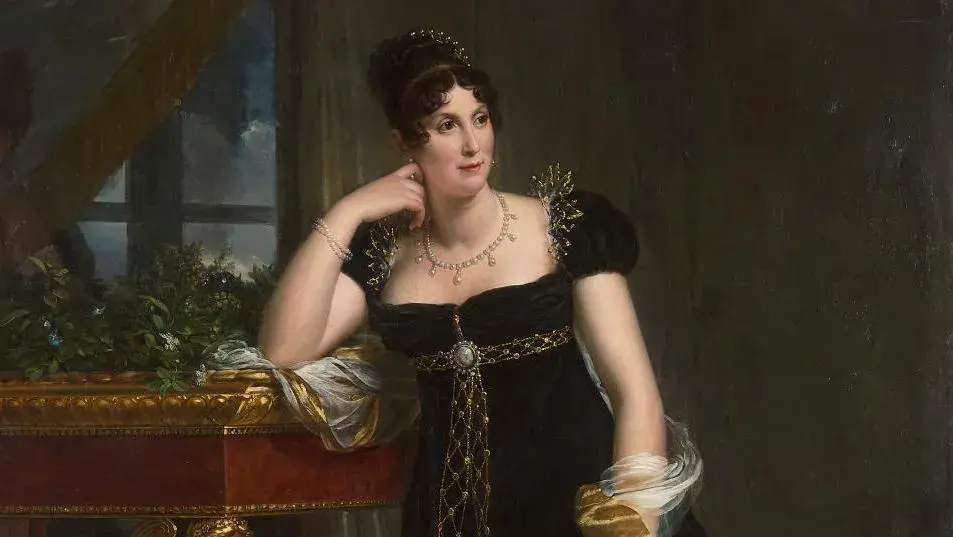
François Gérard (1770-1837), Portrait of the Duchess of Bassano, canvas, 227 x 147 cm/89.37 x 57.87 in.
Estimate : € 800,000/1,000,000
François Gérard (1770-1837), Portrait of the Duchess of Bassano, canvas, 227 x 147 cm/89.37 x 57.87 in.
Estimate : € 800,000/1,000,000

The art of portraiture is also the art of the letter writing… “Madame de Bassano was too beautiful, her husband too powerful, she was too lavished by the favors of her sovereign, so that slander could not seek to harm her; it seeks with greater perseverance all kinds of merit, and leaves in peace only those who cannot inspire envy.” Georgette Ducrest, author of Mémoires sur l’impératrice Joséphine (the title chosen for the 2004 edition), looks back in 1810-1811 with considerable admiration on an impressive woman. Marshal Oudinot’s second wife, Eugénie de Coucy, presented to the Emperor in February 1813, had a similar sentiment: “Tall, beautiful, cold, the duchess impressed me greatly, and her patronage, natural as a result of the close relationship we had with her husband, did not help me, for gradually accustomed to the high position she occupied, she had never felt, or had forgotten, the anxieties of shyness.” His model’s personality suited François Gérard perfectly! He wasn’t exactly a ladies’ man, but rather a man with a talent for pampering women, preferably unattainable ones. This native of Rome, son of Cardinal de Bernis’ steward and an Italian woman, married his mother’s younger sister, Margherita, in 1794, just after the death of his mother Cléria, “for convenience and to avoid family breakup” — with whom he had no children, for reasons we can imagine. This history painter, trained by Jacques Louis David, offered France a host of paintings with eloquent subjects, but he was also an extraordinary portraitist, especially of women. It’s impossible not to be reminded of the great women of the First Empire portrayed by the artist, including the Napoleonic Madame Mère (three versions) and Josephine Bonaparte (St. Petersburg, Hermitage Museum), of course, but also and above all Juliette Récamier (Paris, Carnavalet Museum) and Thérésia Cabarrus, comtesse de Caraman (Carnavalet Museum).

“Tall, beautiful, cold, the duchess impressed me greatly”

The Duchess of Bassano, a Leading Lady

The “Imperial” portrait of the Duchess of Bassano in 1812 is majestic. That’s an understatement, but it has less to do with the display of wealth in the interior, where the lady strikes a nonchalant pose, than with the way the artist looks at her. François Gérard does not paint a “femme de” (“a woman of”), but a femme de tête (leading lady). Duchess since 1809, this daughter of the Mayor of Dijon, who married a brilliant cousin — in turn diplomat, General Secretary to the Consuls, Secretary of State, Minister of Foreign Affairs from 1811 — took her time before fully asserting her role. The Duchesse d’Abrantès, who devotes a long passage to the duchess in her Memoirs, writes that “When she married, she didn’t like the court, to which she went almost in spite of herself”, but, “appointed Lady of the Palace during the Empire, she then became one [of its] ornaments”. “When M. de Bassano moved to the Ministry of Foreign Affairs, his position and obligations changed, and Madame de Bassano was given a salon, but a unique one, like none we have ever seen before”. In the Hôtel de Gallifet, now the headquarters of the Italian Embassy, the Duchesse de Bassano entertained hundreds of guests, including all that “the court had to offer”, such as the painters Gérard and Gros, who were “very often” in attendance. François Gérard was a free spirit who found it hard to lie. Some seven years earlier, in painting Talleyrand’s new wife — in a pose that already foreshadowed the portrait of the duchess — the painter had conveyed the beauty of his face, but also his lack of passion for the young woman. The Duchesse d’Abrantès, provocative as ever, wrote of her: “We know how useful she was in a salon; the shepherdess in which she sat served more than she did, and, what’s more, said nothing. In 1812, Gérard also painted a portrait of Countess Walewska (Paris, Musée de l’Armée) returning from her walk, in a dress very similar to the one depicted here, but here again, he paid little heed to the imperial mistress’s poise: one had given in, the other had resisted! Georgette Ducrest recalls a colorful exchange between the Emperor and the Duchess, which was recounted to her. The Emperor tried everything with the lady, who declared: “I am forced to inform Your Majesty that if his pursuits do not cease immediately, I will inform of the whole matter to the man who will always be the sole object of all my affections. I know him well enough to be certain that he would immediately resign all his positions and leave the court with me. — He wouldn’t dare, Madame. — Your Majesty is mistaken; he will dare anything to escape the grief of being convinced of the ingratitude of the man he loves most.”
 

Read more
François Gérard (1770-1837)

Queen Hortense’s Belt?

The choices are in keeping with the character. Marie-Madeleine Maret opted for a black velvet gown, no doubt in homage to the productions of her favorite couturier, Leroy. Its originality lay in the pattern of the belt, dotted with metallic sequins adorned with stars. The memoirs of Louise Cochelet, Queen Hortense’s reader, mention just such a belt: “The Queen was godmother to several children, including a daughter of the Duchess of Bassano, and a daughter of the Duchess of Frioul. The first was named Claire, and the second Hortense. To mark the occasion, the queen presented exquisite gifts to the mothers of her two goddaughters. The Duchess of Bassano received a chased belt in solid gold, beautifully crafted; it was wide around the waist, held in place by a colored stone clasp; the ends fell to the feet. The belt was the queen’s own design: it was a fashionable innovation, as people then wore small, narrow belts, because waists were short; this became a means of lengthening them a great deal.” As it happens, Hortense Eugénie Claire Maret de Bassano was born in 1812… François Gérard also played with the embroidery of palms and flowers on the gown, to which the bouquets on the console jardinière — a rare detail in his work — are painted in paste. Playfully, Gérard placed the duchess in dialogue with the winged female figure, as Antoine-Denis Chaudet’s La Paix responds to her husband in her portrait commissioned in 1806 from Robert Lefèvre by the General Intendance of the Emperor’s household, and given to the sitter by Louis XVIII in 1815 (Paris, Musée du Louvre). The other, exactly contemporary portrait of the Duchess of Bassano by François Gérard, in which she appears in a white dress adorned with gold embroidery, has yet to be found. This work is known only through its ricordo, preserved at the Château de Versailles alongside the one in the present painting.

ANCIENT ESTAMPES- ANCIENT and 19th century DRAWINGS AND TABLES – HAUTE EPOQUE- SCULPTURE- MUSIC INSTRUMENTS – OBJETS d’ART et d’AMEUBLEMENT du XVIIe au XIXe siècle- CARPETS – TAPESTRIES

Friday 06 December 2024 – 13:30 (CET) – Live

Salle 1-7 – Hôtel Drouot – 75009 Paris

Thierry de Maigret

Info and sales conditions

Catalogue

Cobain’s guitar rocked and Star Wars figures defied gravity at Hake’s $2.5M pop culture auction

‘Star Wars: Droids’ Vlix action figure soared to $44,262; ‘Star Wars: The Empire Strikes Back’ Yoda more than tripled estimate at $18,569 – a warm-up for phenomenal Jeff Jacob collection coming in January

Nirvana Kurt Cobain Stage Used And Smashed Guitar Jan. 18, 1991 Olympia, Wa.

YORK, Pa. – A stage-used Memphis Stratocaster-replica guitar that a relatively unknown Kurt Cobain smashed onstage at a 1991 gig led prices realized at Hake’s $2.5 million online pop culture auction held November 19-20, 2024. The guitar had been played, then destroyed, by Cobain at a small Nirvana benefit concert in Olympia, Washington, four months before the band recorded their game-changing LP Nevermind. In the melee following the guitar’s destruction, it was recovered by a local musician who later gifted it to the owner of a record store in Portland, Oregon. The destroyed instrument was displayed at the shop and even won an MTV-sponsored Nirvana contest. As its value rose, it was secured in a private location where it remained until its consignment to Hake’s. Entered in the auction with an open estimate, it attracted 21 bids and rose to $157,773, making it the top seller in a $2.5 million event.

Many other significant items from Nirvana’s early days dominated the music memorabilia section of the sale. The original-art mechanical master for the poster publicizing the band’s April 17, 1991 concert at the OK Hotel in Seattle – where Nirvana live-debuted the grunge anthem Smells Like Teen Spirit – was signed and inscribed in pencil on verso by the late Seattle artist Mark Bendix with the notation “Original Paste Up Master MB.” Accompanied by a bill of sale dated and signed by both Bendix and the auction consignor – who acquired it directly from the artist – sold for $25,700 against an estimate of $10,000-$20,000.

Bidders stepped up to the plate for another heavy hitter that landed in the top 10: a 1917 Collins-McCarthy Candy Co. E135 #82 Shoeless Joe Jackson baseball card from the confectioner’s 200-card series. Designated “Authentic-Altered” by PSA due to the slightest of margin trims, the card is one of only 11 of its type known to exist in any condition. Against an estimate of $10,000-$20,000, it rounded the bases to slide home confidently at $26,780.

Rare classic comic books are always a big part of Hake’s sales. An important Silver Age comic offered in their November event was The Amazing Spider-Man #1 (Marvel, March 1963), CGC-graded 7.5 VF. This title is desired by every superhero comic fan, as it features the first appearances of both J Jonah Jameson and The Chameleon, and retells the origin story of Spider-Man. It is also notable for being the first comic with a Fantastic Four crossover. Combining a Stan Lee story, Jack Kirby and Steve Ditko’s cover art; and Ditko interior art, this powerhouse comic closed at $29,984.

With excitement building for Hake’s January 22, 2025 mega-auction of the extraordinary Jeff Jacob action-figure collection, bidders were in the mood to get a head start and snap up some great rarities from the November sale’s selection. One of the most sought-after entries was a Glasslite Star Wars: Droids (1988) 4.25-inch Vlix action figure on a partially-punched Brazilian blister card. This figure was released exclusively in Brazil because of the 1985-86 Star Wars: Droids animated TV series’ cancellation in the United States. AFA-graded 80 NM, it was one of only 12 graded by AFA and the single highest-graded figure of its type. This premier entry sold at the upper end of its estimate range, for $44,262.

Could it have been the orange snake wrapped around the Star Wars: The Empire Strikes Back (1981) Yoda 32 Back-B 2-inch action figure that persuaded bidders to bypass the pre-sale estimate? Presented on a sealed, unpunched blister card, the figure depicting the long-lived and powerful possessor of the Force achieved $18,569 against an estimate of $2,000-$5,000.

Much scarcer than its American counterpart produced by Hasbro, a Transformers (1985) Series 1 Autobot Commander Optimus Prime in its original window box was manufactured in Mexico by Plasticos IGA. An extremely nice exampled AFA-graded 85 NM+, it was formerly in the collection of Briton Mark Warner. Against a $5,000-$10,000 estimate, it proved the enduring appeal of Transformers by knocking down a winning bid of $20,060. 

Just in time for the holiday season, a Santa Claus mannequin costume display for the live-action adaptation of Dr Seuss’ How the Grinch Stole Christmas (Universal Pictures, 2000) instantly recalled Jim Carrey’s performance as the grumpy recluse of Mount Crumpit who eventually learned the true meaning of Christmas. The auction lot consisted of a Santa coat, matching hat and boots; spandex pants, and a leather belt with metal buckle. The coat was identified by a custom-made label from the film’s costumer, John David Ridge, bearing the printed name of “Mr Jim Carrey” and the handwritten phrase “C O’Hara -Hero,” a reference to Carrey’s ski-scene stunt double, Chris O’Hara. The display was bid to $25,960 against an estimate of $5,000-$10,000.

An exciting selection of political memorabilia produced highlights from both the 19th- and 20th-centuries. A rare and important 1952 “Youth For Kennedy” US Senate campaign button, 2.25 inches in diameter, came with provenance from the prestigious John Hillhouse collection. One of the rarest of all known Kennedy buttons and believed to be the only one of its type ever to appear in a public sale, it sold above its high estimate for $12,331.  

With charm to spare, an attractive William Henry Harrison cobalt blue stoneware log cabin bank attributed to Thomas Haig, Jr, Philadelphia, was produced between 1840 and 1850. The distinctive architectural bank’s design was manufactured in three iterations: stoneware, redware and Rockingham ware. The auction example was hand-inscribed “1846” under its base in cobalt. Formerly in the Rex Stark collection, it was claimed by its new owner for $11,682 against an estimate of $2,000-$5,000.

To discuss consigning a collection or single item to a future Hake’s pop culture memorabilia auction, please call +1 866-404-9800 (toll-free) or +1 717-434-1600; or email [email protected]. All enquiries are kept strictly confidential and there is never an obligation to consign. Visit Hake’s online at https://www.hakes.com for more information about the January 22, 2025 auction of the Jeff Jacob collection of action figures, playsets vehicles and other rarities from Star Wars, GI Joe, Transformers, Teenage Mutant Ninja Turtles, Masters of the Universe, and other production lines. The digital catalog for the Jacob sale will be available to view online on January 6, 2025.

CONTACTS:

Hake’s Auctions

Tel. 866-404-9800 (toll-free) or 717-434-1600

[email protected] 

PR Office

Tel. 610-373-5959

[email protected] 

Lion and Unicorn’s Miami Modern & Pop Art Auction FeaturesKey Contemporary Art During Miami Art Week and Art Basel Miami Beach 2024

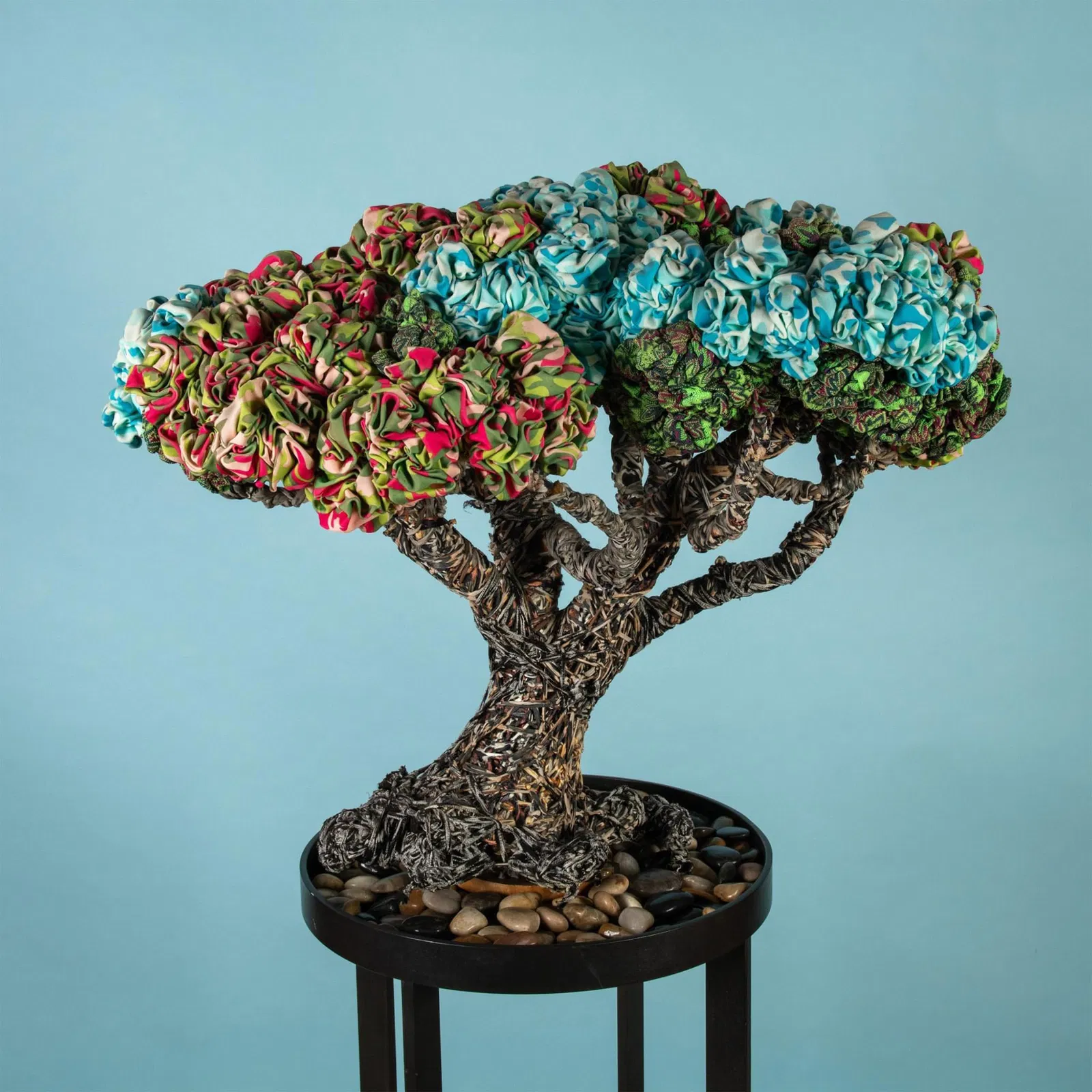
Guerra de La Paz, Original Mixed Media w/ Steel, Bonsai III

Miami, FL – November 25, 2024 – Lion and Unicorn is thrilled to present the “Miami Modern & Pop Art Auction,” a premier art auction during Miami Art Week. Featuring works from the collections of Alicia Hancock Apfel and the Bass Museum of Art, alongside notable contemporary artists. Alicia Hancock Apfel, was a renowned Miami civil rights attorney, founder of the iconic Space Mountain Gallery, and an artist. Her work with the arts helped build a collection that celebrates transgressive voices and bold narratives. The Bass Museum is a cornerstone of Miami Beach’s cultural scene and is celebrated for its dedication to global contemporary art and the preservation of historic works. Auction Highlights include:

Betty Parsons a trailblazer of abstract expressionism renowned as both an artist and influential gallerist, Parsons’ innovative use of form and color significantly shaped modern art’s trajectory.

Guerra De La Paz Bonsai III: A monumental sculpture addressing sustainability and balance through found objects and materials, capturing the Cuban-American duo’s ability to transform everyday items into profound visual statements.

Greg Haberny A collection of 20 original works showcasing his visceral style and biting socio-political critique. Pieces like Gone with the Wind, a commentary on consumerism, and Jackson Pollock’s Effort to Quit, an exploration of chaos and addiction, exemplify his unflinching creativity. Haberny’s participation in Banksy’s Marks and Stencils exhibition launched him onto the international stage.

Dale Chihuly A breathtaking glass piece from his Persians series, characterized by swirling patterns, vibrant hues, and organic forms.

Florian & Michael Quistrebert The French brothers’ mesmerizing abstractions explore the interplay of light, texture, and illusion, solidifying their position as trailblazers in contemporary art.

About Lion and Unicorn: Located in South Florida, Lion and Unicorn is the premier auction house for fine art, antiques, and collectibles. Visit www.lionandunicorn.com to learn more.

Event Details

Date:December 4, 2024, at 2:00 p.m. EST

Location: Lion and Unicorn Auctions 200 Oakwood Ln., Suite 200 Hollywood, FL 33020 Bidding:In-person and online (pre-registration required) www.bid.lionandunicorn.com Catalogue: www.bid.lionandunicorn.com

“This auction embodies the interplay between historical significance and contemporary creativity,” said Steven Robert Kozlowski, Principal and Auctioneer at Lion and Unicorn. “From Alicia Apfel’s powerful and thought-provoking collection to the visionary works of Guerra De La Paz and Greg Haberny, each piece offers a specific narrative that challenges, inspires, and connects us to the transformative power of art.”
For media inquiries, contact: Steven Robert Kozlowski Lead Auctioneer (305) 968-7090 [email protected]

2024 Holiday Highlights: Santa Claus Sale Results

It’s beginning to look a lot like Christmas, and rocking around the Christmas tree seems to be on everyone’s mind as the calendar page turns to December. Christmas-related vintage to antique treasures, especially those incorporating Santa Claus in some form, continue to capture the hearts, minds, and pocketbooks of enthusiasts regardless of the time of year. Broad cross-category appeal– incorporating doll, toy, holiday, figurines, and childhood collecting interest–- helps keep these rarities in demand. With a nod to Auction Daily’s tradition of recognizing super Santa results over the years, here are five amazing auction results from 2024 that will have you feeling the holiday love. All sale prices noted include the auction house’s buyer’s premium.

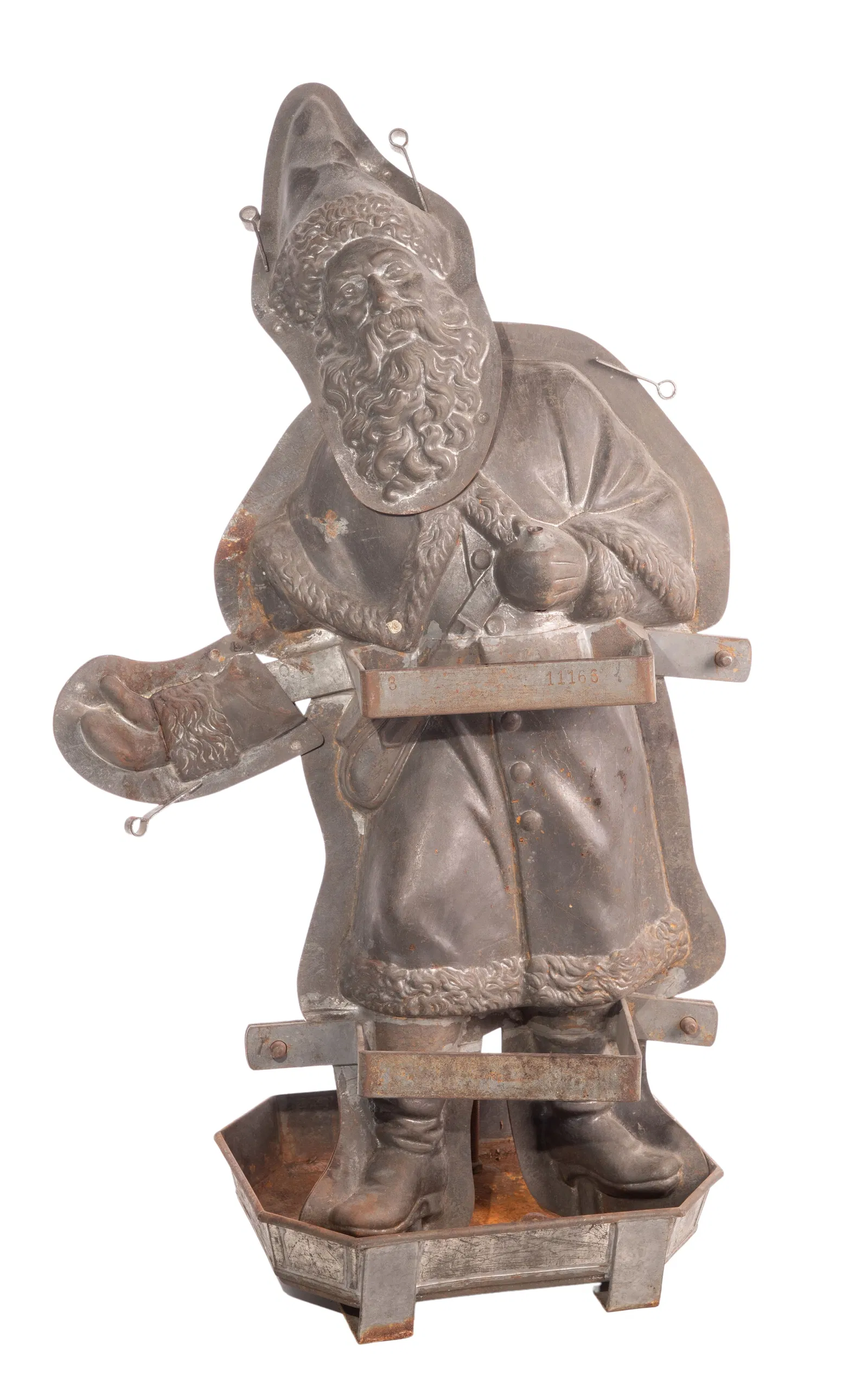
An Anton Reiche showpiece Santa Claus chocolate mold was estimated at $500 to $700 and sold for $18,750. Image courtesy of Leonard Auction.

Santa Claus Chocolate Mold

An Anton Reiche showpiece Santa Claus chocolate mold was estimated at USD 500 to $700 and sold for $18,750 at Leonard Auction of Addison, IL’s March 2024 Online Auction. This fully dimensional Santa figure was hallmarked and stamped #11166. The mold measured 31.5 inches by 11 inches by eight inches overall, with separate head, arm, and cage components. Santa wore his traditional garb including an oversized, fur-trimmed hat and coat, big boots, and a thick belt.

Chocolate molds came into fashion in the 19th century, when the proper proportions of ingredients that go into solid chocolate candy were finally established. Before then, most chocolate was consumed as a liquid. Friedrich Anton Reiche began producing candy molds in 1888 in Dresden, Germany. In the early 20th century, the company employed about 2,000 workers and became known for its nickel-coated sheet metal molds. These were produced in a spectrum of sizes and novel forms. At the height of its business, the company’s catalog contained nearly 50,000 different products. 

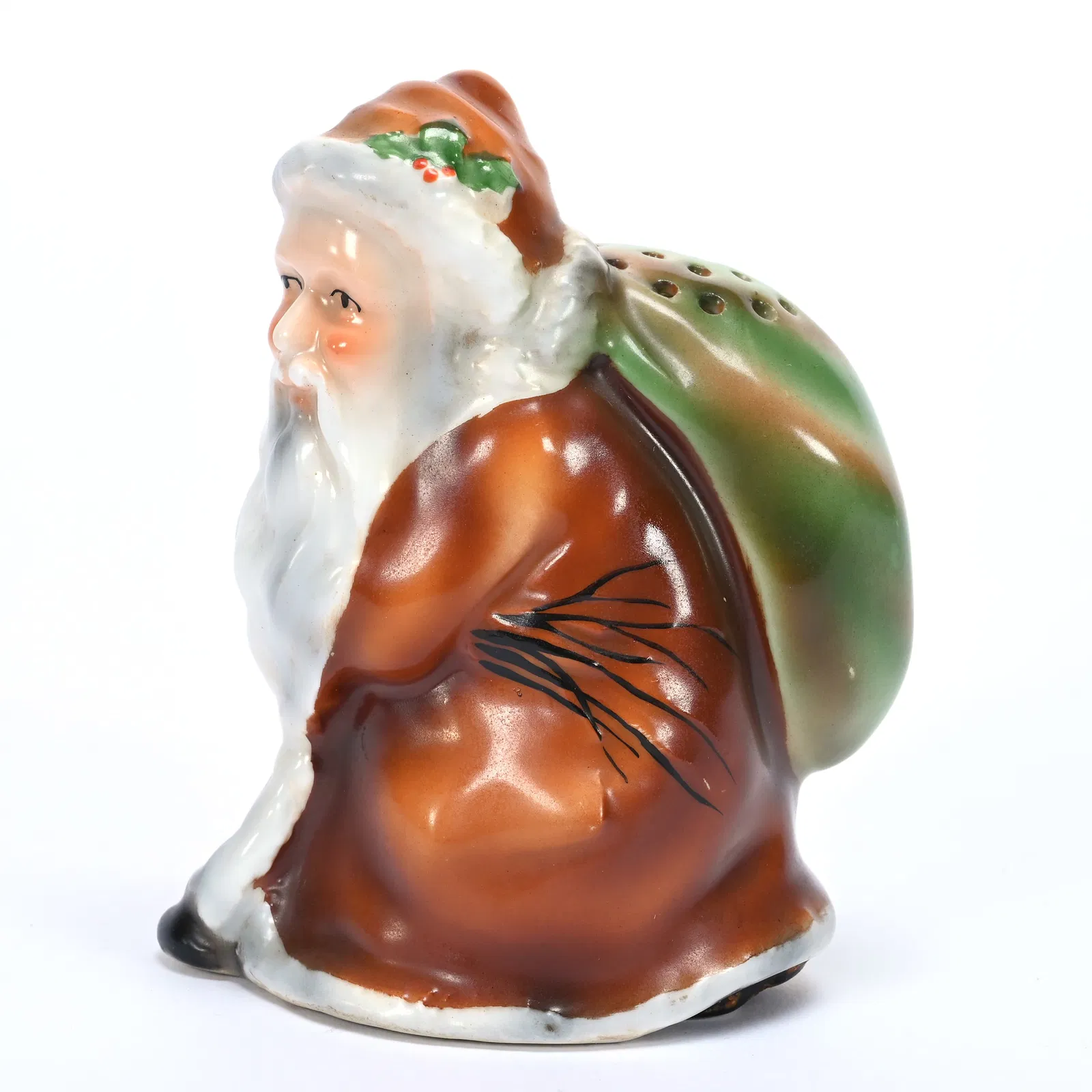
A Santa Claus hatpin holder was estimated at $1,500 to $2,000 and sold for $9,600. Image courtesy of Woody Auction LLC.

Santa Claus Hatpin Holder

A Santa Claus hatpin holder was estimated at $1,500 to $2,000 and made $9,600 at Woody Auction LLC of Douglass, KS’ August 23, 2024 sale. This 4.25-inch tall example was marked with a Royal Bayreuth blue mark. This flat-bottomed rarity featured a Santa donned in a brown, fur-trimmed coat and hat. He carried a large green sack of holiday goodies on his back.

Hatpin holders were common during the Victorian era and were designed to store and display hatpins. These fashion accessories were long, narrow, and spear-shaped. They were usually made from metal, glass, bone, or clay. They helped to secure large headgear to the wearer’s noggin. Hatpin holders usually featured a surface punctuated with skinny openings to protect the pins and a wide base for stability. It is easy to see how this Santa example is the perfect form for this design! Germany’s Royal Bayreuth, known for its quality porcelain production, was founded in 1794 and ceased operations in 2019.

A self-walking Santa Claus toy was estimated at $2,500 to $3,000 and sold for $2,750. Image courtesy of the RSL Auction Company.

Self-Walking Santa Claus Toy

A self-walking Santa Claus toy was estimated at $2,500 to $3,000 and delivered $2,750 at the RSL Auction Company of Whitehouse Station, NJ’s June 29, 2024 sale. This eight-inch tall toy was produced in the 1880s by the Ives, Blakeslee Company of Bridgeport, CT. Santa was made from cast iron with his hood, shoes, and facial detailing integral to his form. His red and white coat was made from soft plush fabric.

The Ives company produced well-engineered playthings from 1868 through the 1930s. Its production was mainly focused on toys for boys and featured cast iron cars, trains, and other tinplate vehicles and figures. The Santa under discussion here was part of a series of nine key-wound, gear-activated self-walking figures produced by Ives; others in the collection included Charlie Chaplin, a man in a blue coat and red trousers, and an anthropomorphic donkey. Ives was granted a patent for the mechanism behind these walking dolls in 1875.

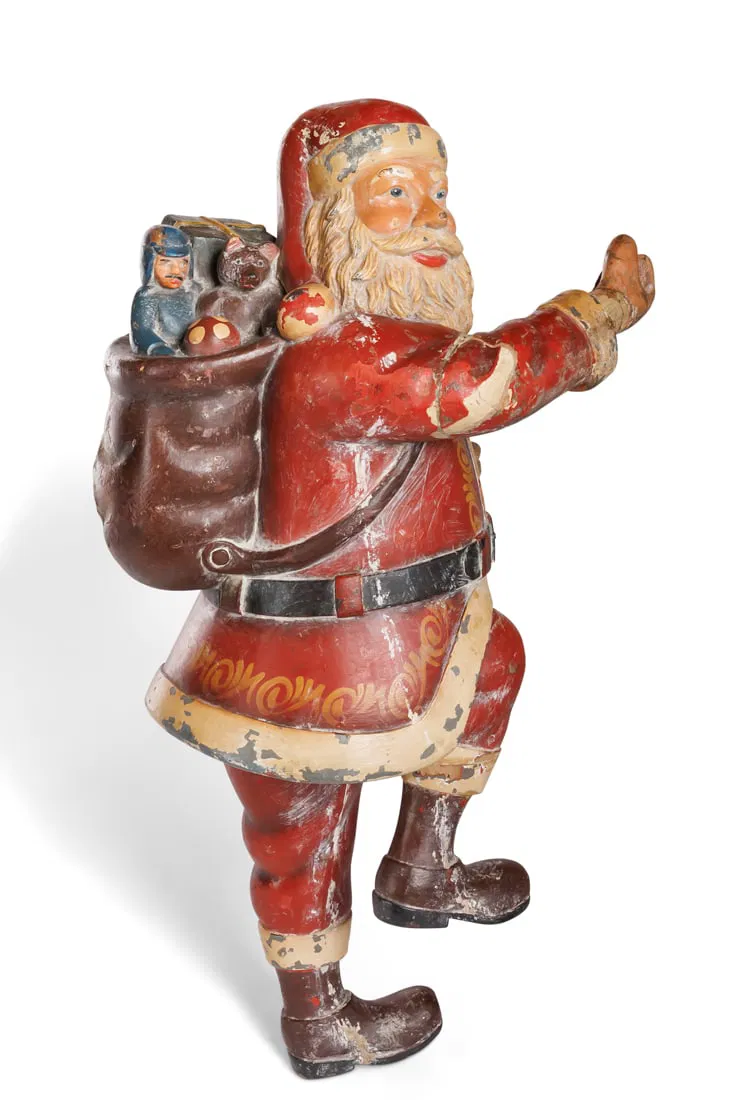
An early 20th-century carved wooden Santa Claus was estimated at $300 to $500 and sold for $2,880. Image courtesy of Bray and Company Auctions.

Carved Wooden Santa Claus 

An early 20th-century carved wooden Santa Claus was estimated at $300 to $500 and made $2,880 at Bray and Company Auctions of Portsmouth, NH’s September 21, 2024 sale. This delightful unsigned piece, perhaps designed as a store display item, measured 25 inches tall and was made with great attention to detail. The smiling Santa carried a sack full of toys, including a soldier doll, Teddy bear, and play ball. He held his hand out at an angle– suggesting he was designed to hold a banner, bag, or other display item.

Santa and Christmas have been associated with each other in the United States since the 1840s, with the retailer F.A.O. Schwarz introducing the first live in-store Santa in 1875. Although the date and maker of this fantastic carved wooden Santa are not known, it is most likely that he was produced after 1931. It was that year that Coca-Cola introduced its happy, rounded, smiling Santa to the world. Before then, Santa was usually not presented in such an accessible, friendly way; he more often appeared as a grumpy, serious, or scary older man.

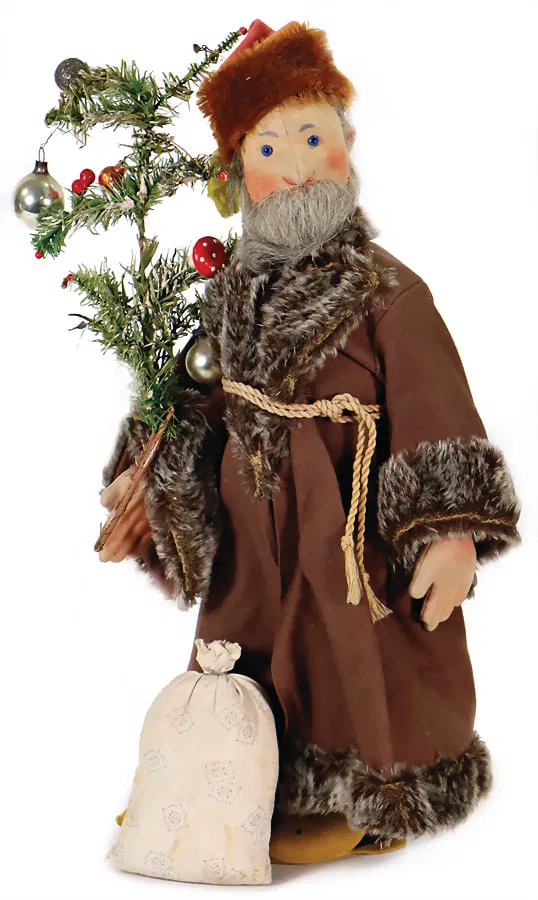
Steiff's felt St. Nicholas doll from 1912 had an opening bid of EUR 850 and sold for USD 14,325. Image courtesy of Ladenburger Spielzeugauktion GmbH.
Steiff’s felt St. Nicholas doll from 1912 had an opening bid of EUR 850 and sold for USD 14,325. Image courtesy of Ladenburger Spielzeugauktion GmbH.

Steiff St. Nicholas Doll

A rare sample of Steiff’s felt St. Nicholas doll from 1912 had an opening bid of EUR 850 and made $14,325 at Ladenburger Spielzeugauktion GmbH’s November 2024 Steiff Archive Auction. This exceptional doll, seldom seen outside of elite collections or museums, stood 50 cm tall, was fully jointed, and wore a brown felt coat trimmed in brown tipped mohair, felt pants and slippers, and a chocolate brown mohair hat. His coat closed with a cord belt. His face came to life with Steiff’s traditional center seam construction, blue and black glass pupil eyes, a gray mohair inset wig, and a long, inset gray beard and mustache.

Although St. Nicholas is technically not Santa Claus, the legend of everyone’s favorite big guy in red is based on this Christian bishop from the fourth century. St. Nicholas was beloved for his benevolence and philanthropy, especially toward sick and poor members of the community. He was also the patron saint of children. St. Nicholas was featured in the legacy German children’s book Der Struwwelpeter (Shockheaded Peter) which was written and illustrated by Heinrich Hoffmann in 1845. Steiff created many character dolls based on Hoffmann’s book in the early 1900s; others in the series included a hunter doll and a young boy doll with long blonde hair and leather fingernails.

Feeling nostalgic about past Santa sales? Check out this amazing Christmas event from 2023

Lark Mason Associates Announces Trio of Holiday Online Auctions Featuring Stunning Jewelry, Watches, and Fine Art Now on iGavelAuctions

New York, NY and New Braunfels, TX- November 25, 2024 – Lark Mason Associates is delighted to present a remarkable trio of holiday online auction sales, offering an impressive selection of fine jewelry, luxury watches, and exceptional artworks. These auctions, now open for bidding on igavelauctions.com,showcase treasures from renowned collections and estates, headlined by a dazzling 5.80 carat diamond ring, a painting by the iconic Willem de Kooning and other rare works by renowned artists.

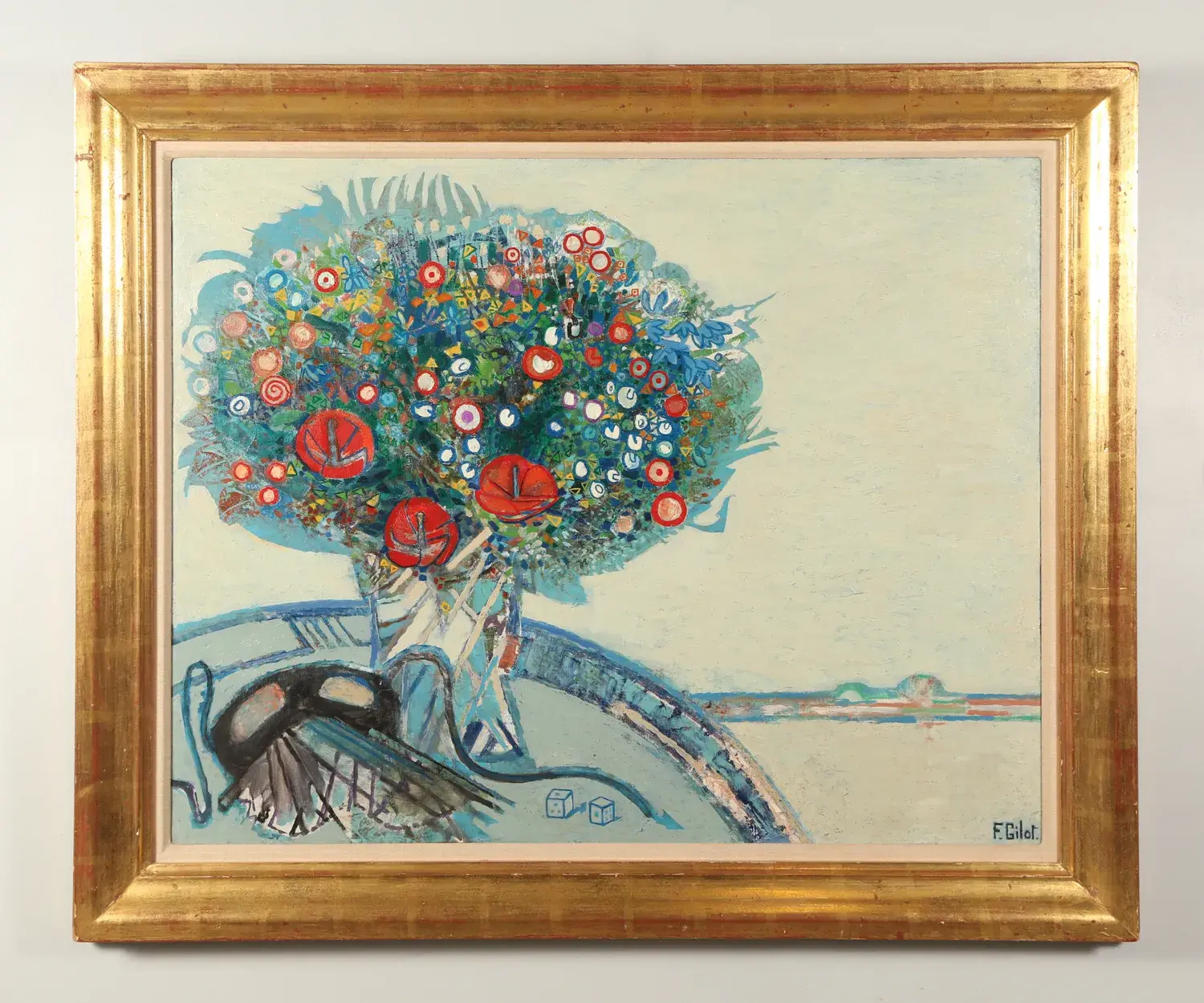
Venetian Bouquet by Françoise Gilot (French/American, 1921-2023) (Estimate: $40-60,000)

The first of these auctions–The Collection of Ben Adams, San Antonio Jeweler and Collector–features a captivating array of fine paintings and decorative objects from the celebrated jeweler’s estate. Bidding for this sale runs through December 4, 2024, and includes standout pieces such as Venetian Bouquet by Françoise Gilot (French/American, 1921-2023). Gilot, a celebrated painter and author who was in a storied relationship with Pablo Picasso, created this oil on canvas, which is estimated at $40,000-$60,000. It comes with provenance from the Vincent Mann Gallery and is accompanied by Françoise Gilot: Monograph 1940-2000. Another highlight is an 18K Patek Philippe Yellow Gold Grand Complications Wristwatch, authenticated and serviced by the Henri Stern Watch Agency comes with the Service Seal and copy the invoice (Estimate: $40,000-$60,000).

Continuing this showcase of exceptional quality is the Jewelry and Watches Auction, now open for bidding through December 10, 2024. Among its most notable offerings is a show-stopping 5.80 carat Diamond and Platinum Ring (Color D, Clarity VS2), accompanied by a GIA certificate and estimated at $100,000-$150,000. This ring comes from the estate of Elinor Ross (1926-2020), an internationally acclaimed opera singer. Other highlights include an 18K Gold and Diamond Necklace, featuring approximately 25 carats of diamonds (Estimate: $20,000-$40,000), as well as a 2.5ct Marquise-Cut Diamond Ring in 14K Gold (Estimate $2,000-$4,000). Collectors will also find a Carved Coral, Diamond, and 18K Gold Pendant with Chain Necklace (Estimate: $4,000-$6,000) and a Rolex 18K Yellow Gold GMT-Master Wristwatch (Estimate: $35,000-$50,000).

Rounding out this series is the Fine and Decorative Arts Auction, which runs from November 25 through December 12, 2024. This sale includes an impressive range of fine art and decorative items, highlighted by Two Women, by the highly revered Willem de Kooning (1904- 1997). This oil on newsprint, laid on canvas, created in 1966, is estimated at $250,000-$350,000. Other noteworthy pieces include a 19th century Meissen Porcelain Figural Group, The Dance of the Horae (Estimate: $4,000-$6,000); Portrait of a Rabbi, attributed to Alexis Grimou (French, 1678-1733), estimated at $10,000-$20,000; and an American Sterling Silver Flatware Service for 12, Gorham Company, Versailles Pattern, estimated at $8,000-$12,000.

To schedule an appointment to view the collections in New York or New Braunfels, please contact [email protected] or [email protected].

About Lark Mason Associates

With offices in New Braunfels, Texas, and New York City, Lark Mason Associates is a distinguished auction house specializing in Asian, ethnographic, and ancient works of art. Founded 0ver two decades ago by Lark Mason, who boasts extensive expertise garnered from years of experience at Sotheby’s New York, the firm offers comprehensive appraisal services and unparalleled insights into American, European, and Chinese art. Mason’s illustrious career includes roles as a General Appraiser and Senior Vice President at Sotheby’s, as well as serving as a consulting curator at the Trammell and Margaret Crow Collection of Asian Art in Dallas, Texas. Renowned for his appearances on the “Antiques Roadshow,” Mason is also the owner and CEO of iGavel Auctions, where Lark Mason Associates regularly hosts its auctions, including record-breaking sales that have garnered international acclaim. For further information, please visit Lark Mason Associates at www.larkmasonassociates.com or follow on Instagram, Facebook, and Twitter @larkmasonassoc.