David Wojnarowicz: A Heightened State of Activism

David Wojnarowicz was a multifaceted artist known for works that put the AIDS epidemic at the forefront of New York contemporary art, such as his iconic images from the documentary film Silence = Death and the monumental installation Lazaretto. Wojnarowicz was no stranger to the specter of death before his own AIDS diagnosis in the late 1980s. He had lived in New York’s East Village since 1978 and saw how AIDS ravaged his community and forced tragedy and trauma into their lives. In 1987, only 10 months after being diagnosed, Peter Hujar, Wojnarowicz’s partner and mentor, died of AIDS-related complications. This devastating loss to Wojnarowicz’s circle and the art world at large spurred the artist into a heightened state of activism.  
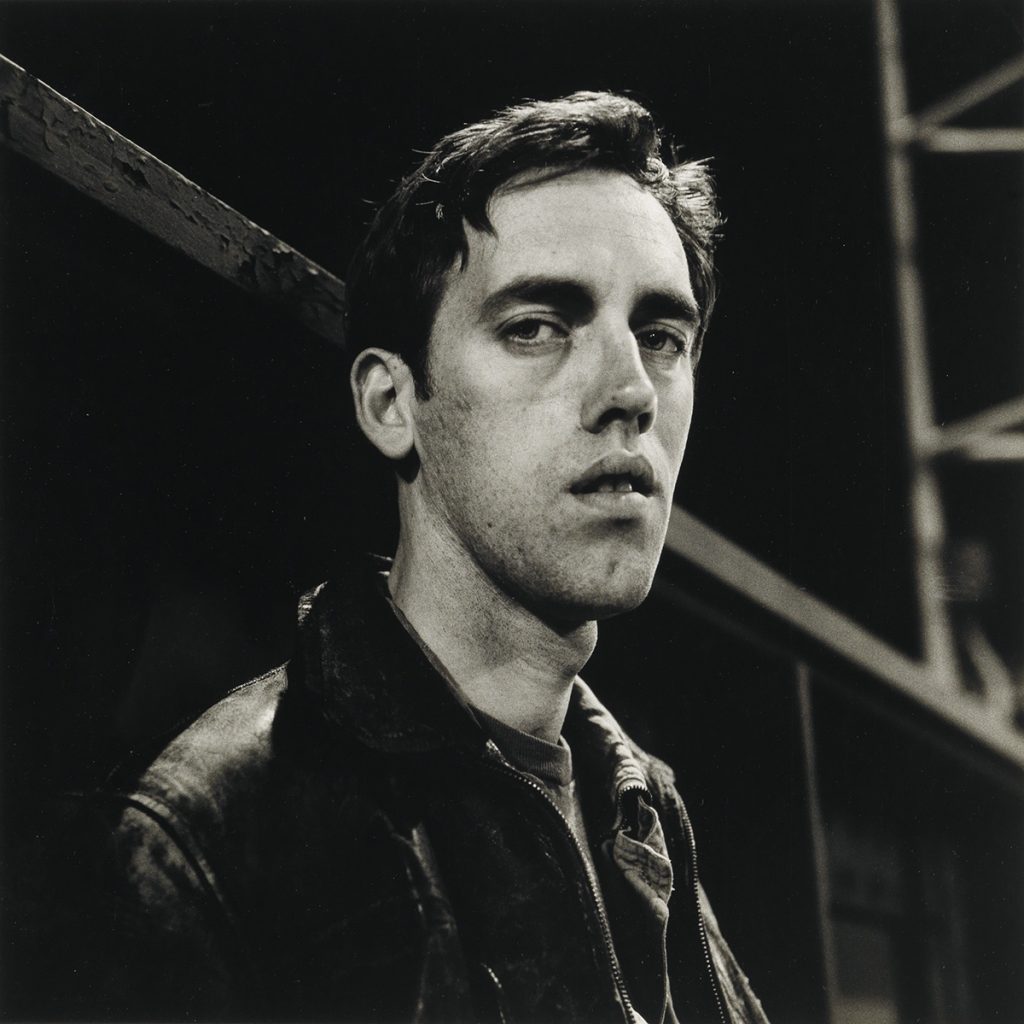
Peter Hujar, David Wojnarowicz: Manhattan-Night (III), silver print, 1985. Sold in our inaugural LGBTQ+ Art, Material Culture & History sale on June 20, 2019 for $106,250. A record for the artist.

Our August 13, 2020 LGBTQ+ Art, Material Culture & History sale features a superb run of rare works by the artists.


David Wojnarowicz Early Works
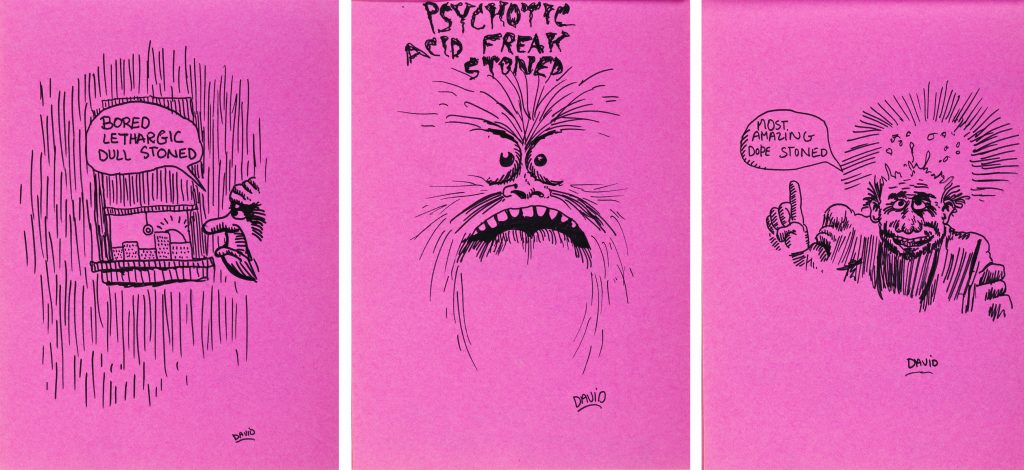
David Wojnarowicz, Stoned Sketchbook, bound sketchbook with 31 pen and ink drawings, early 1970s. Estimate $10,000 to $15,000.

Before becoming a political activist, Wojnarowicz’s work embodied the spirit of the unapologetic social outsider. As a teenager, Wojnarowicz lived on the streets of New York and spent time in Times Square alongside hustlers. He hitchhiked across the country multiple times and his ideas were as diverse and authentic as the people he had met along the way. His early work, like his Stoned Sketchbook, shows his penchant for highlighting the humor in society’s ironies.
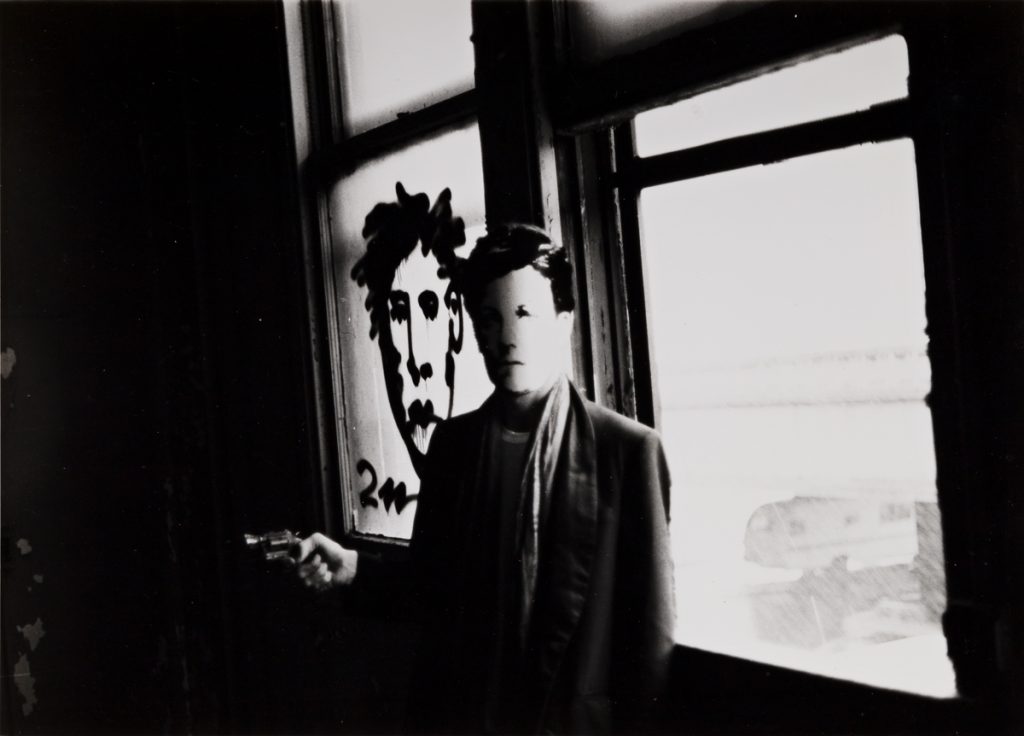
David Wojnarowicz, Rimbaud in New York, silver print, 1978-79. Estimate $3,000 to $4,000.

He identified with Arthur Rimbaud, a nineteenth-century poet whose works exemplified individualism and the search for freedom from society. Wojnarowicz’s powerful Rimbaud series identifies the parallels between Rimbaud’s life and the contemporary queer underground in New York City.  

During the early 1980s, Wojnarowicz exhibited alongside other young East Village artists, such as Nan Goldin, Kiki Smith, and Keith Haring. His art was a conglomeration of empathy, humor, sensationalism, and a sense of community. Much of his early work incorporated found objects like scraps of paper, labels, and advertising posters. His materials coincided with his commitment to portray alternative politics, sexualities, and lifestyles which were discarded by the mainstream. It was not until he was selected for the 1985 Whitney Biennial that he gained international recognition, showing his works throughout the United States, Europe and Latin America.  


David Wojnarowicz & the AIDS Crisis
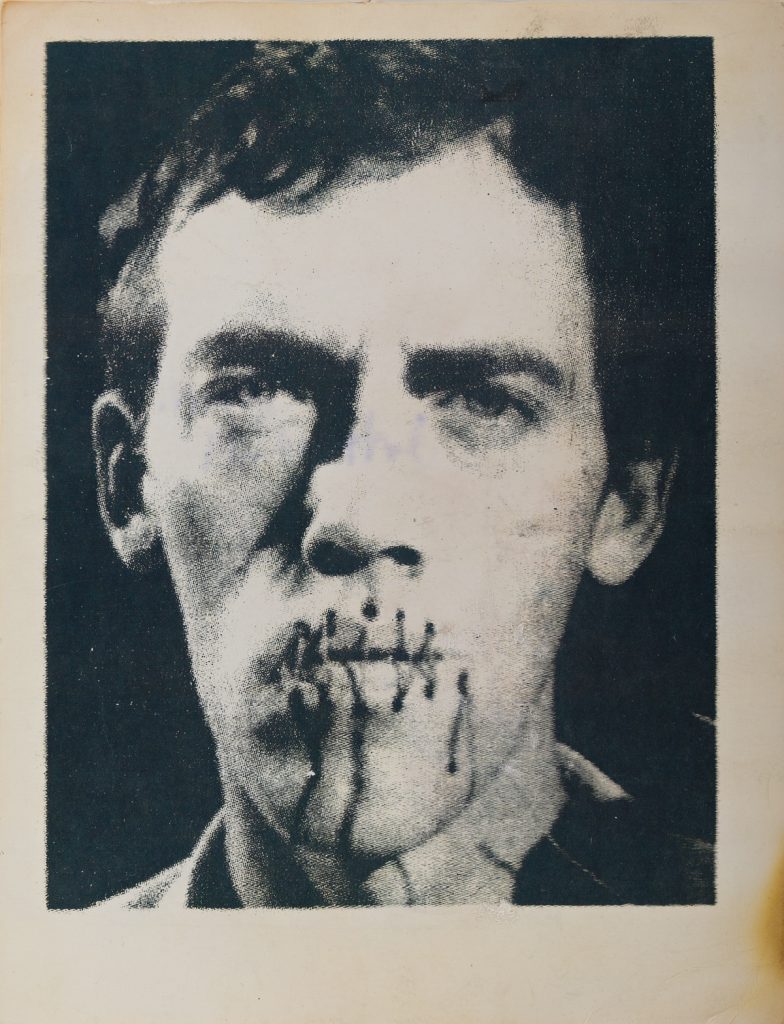
David Wojnarowicz & Andreas Sterzing, David Wojnarowicz (Silence = Death), New York, photostat, 1989. Estimate $1,000 to $1,500.

Once Peter Hujar was diagnosed with AIDS, Wojnarowicz drew attention to the suffering felt by so many others by photographing Hujar in varying states of decline. This tender, moving series put a spotlight on the agony of AIDS and the loss of an important young contemporary. Wojnarowicz’s work became more politicized after Hujar’s diagnosis and death. The same boldness and candor that captured the attention of the international art world gave a new voice to the ongoing AIDS crisis. However, Wojnarowicz’s most ambitious installation was intended to be uncredited.  


Lazaretto


In the summer of 1990, Wojnarowicz and artist Paul Marcus were drawing caricatures on a paper tablecloth at a local café. These caricatures of political figures morphed into a “ship of fools” inspired by Hieronymus Bosch’s same-titled oil painting. The two artists knew that they wanted Senator Jesse Helms included on the ship and after a few meetings at a local East Village coffee shop, the idea of an entire installation materialized.  
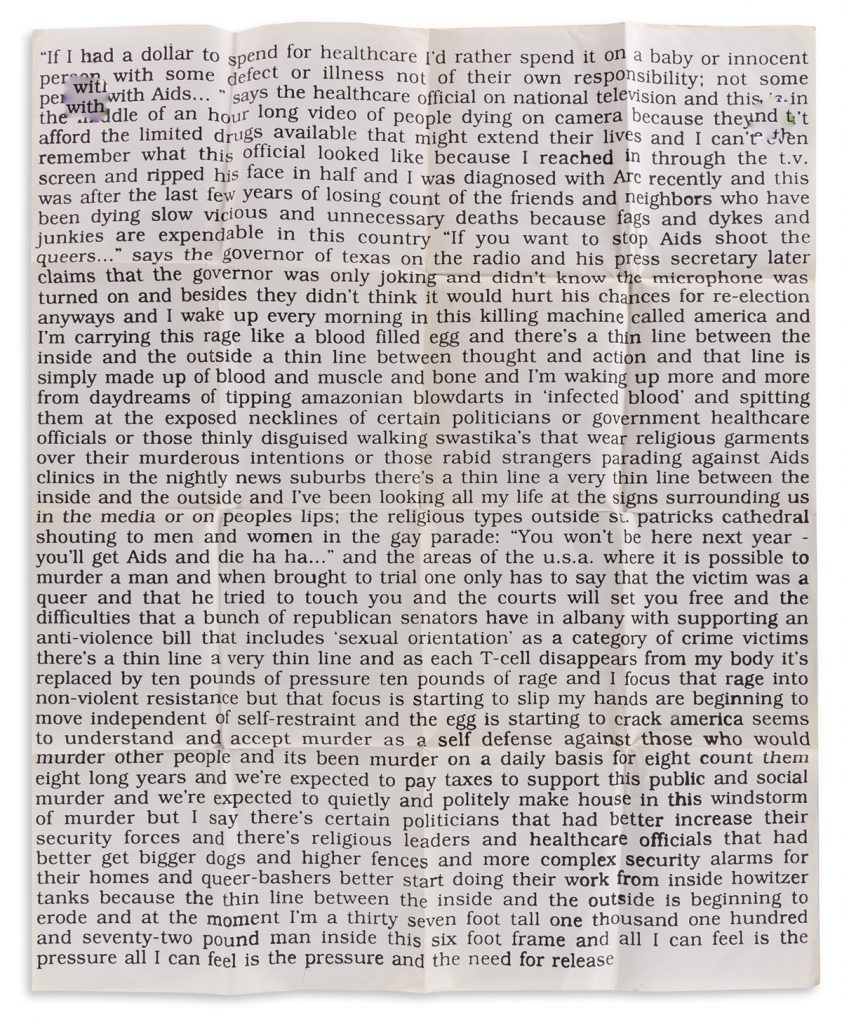
David Wojnarowicz, If I Had a Dollar…, offset poster, circa 1990. Estimate $800 to $1,200.

Reflecting the gravity of the disease, the installation Wojnarowicz and Marcus envisioned would be unforgettable and monumental. Susan Pyzow, Marcus’s wife, joined in the collaboration and titled the exhibition Lazaretto for how society callously quarantined AIDS victims without concern or sympathy. Friends observed that Wojnarowicz especially worked feverishly to bring the installation to fruition as his body weakened by the day. Unbeknownst to Marcus and Pyzow, Wojnarowicz had been diagnosed with AIDS. As the exhibition opening neared, Marcus took on much of the responsibility for construction.  
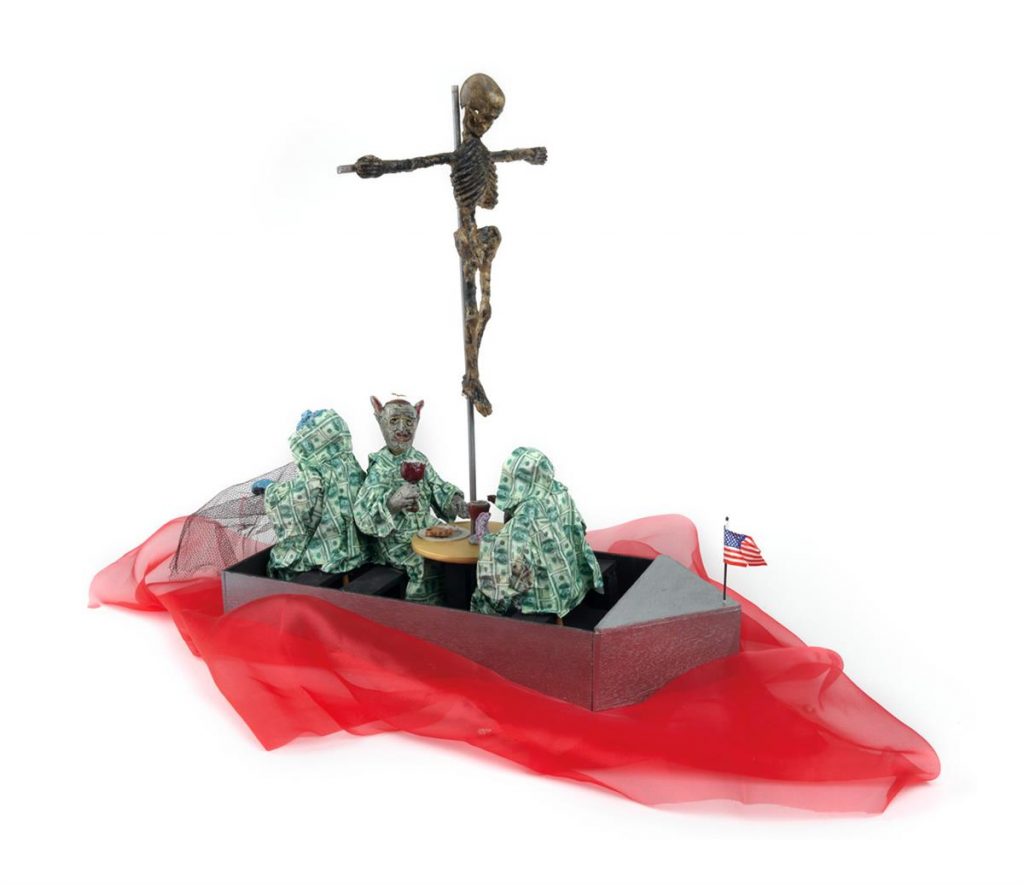
David Wojnarowicz & Paul Marcus, Lazaretto, maquette for the installation, 1990. Estimate $10,000 to $15,000.

With firsthand knowledge of the horrors of AIDS, Wojnarowicz and Marcus began to collect accounts from community members fighting the disease. These stories of injustice, pain, and loss of dignity were plastered on the walls of a constructed claustrophobic maze within the installation. Not only did the maze include these messages of despair and trauma, but it also consisted of black plastic walls that simulated body bags. Viewers would be forced to meet the harrowing experiences of the victims head-on as they navigated through it. A sickroom littered with pill bottles, garbage, and the refuse of a former life was constructed at the end of the maze. A skeleton of a young Black Latinx woman lay in a cot while daytime programs played on a television, reflecting how society, unmoved, ignored the decimation. At the center of the installation was the “ship of fools” ferrying grotesques of President George H.W. Bush, Cardinal O’Connor, and Senator Jesse Helms, all dressed in Ku Klux Klan hoods made of bills, across a blood-red sea of desperately reaching human hands and blocks spelling out victims’ names. The figures were caught in incriminating acts: Bush caught the severed hands with a fishing net while grinning and Cardinal O’Connor toasted the carnage with a glass of blood. Perhaps the most horrifying figure was Helms, who was devouring a Black infant, a comment on how minorities are especially ignored and marginalized when seeking HIV/AIDS treatment. A skeletal Christ-like figure with a crown of hypodermic needles was roped to the ship’s mast. Surrounding the ship were hundreds of plaster cast arms with numbers on the forearms representing the ghosts of the deceased reaching out to the viewers. Drawing this reference from the Holocaust, the AIDS pandemic was compared to a genocide of the LGBTQ+ community and other at-risk groups which purposefully lacked a response from the most powerful institutions. 

In cruel irony, Louie Armstrong’s “What a Wonderful World” blared in the background, and a jabbering Howdy Doody puppet danced in a case among dollar bills. The ship all at once represented the politics, discrimination, homophobia, and profit behind inaction, the immorality that lurks behind a moral façade, and the profound suffering as the end result. Outside of the elaborate exhibition were free supplies of condoms, needle kits, and informative pamphlets.  The artists offered parts of the exhibition for sale with proceeds and donations benefiting AIDS organizations. The boat from the installation was never sold and was destroyed after the exhibition’s tour.  

The artists presented Lazaretto anonymously. Though Wojnarowicz’s name would bring attention, it was felt that even more would be garnered by remaining nameless. The exhibition opened at P.P.O.W. on September 6 and ran through September 29, 1990. It was beyond impactful and was extremely well received by the public; admission lines wrapped around the block. The installation traveled nationally before ending its tour at the Art at the Armory: Occupied Territory show at the Chicago Avenue National Guard Armory organized by the Museum of Modern Art in Chicago, during which time Wojnarowicz tragically passed away from AIDS-related complications on July 22, 1992, but not without a legacy. On voicing his beliefs, Wojnarowicz had once stated, “I think what I really fear about death is the silencing of my voice. I feel this incredible pressure to leave something of myself behind.” Eventually, the Lazaretto artists’ names were revealed but the public outcry for a human response to the crisis and the activism spurred by the exhibition were already set in motion.
RELEASE | CHRISTIE’S LIVING: AUGUST COLLECTIONS | 7-20 August

New York – Christie’s Living: August Collections will present an eclectic offering of fine and decorative arts, design, jewelry and gold boxes from American collections. This online sale is open for bidding 7 August through 20 August and the accessible price points provide a unique opportunity for new and established collectors alike, with opening bids starting at $100 on many of the lots.

Highlighting the various American collections comprising the sale is the Collection of Marion Oates Charles. “Oatsie,” as Mrs. Charles was affectionately called by her friends, was a grande dame of the Georgetown and Newport social circuit and was acquainted with President John F. Kennedy and novelist Ian Fleming, among other influential people of that era. Property from her collection includes Venetian grotto furniture, Asian works of art and delightful personal effects such as signed jewelry by Verdura and a gold monogrammed cigarette case by Chanel.

The sale offers a selection of Scandinavian and European design works from An Enquiring Eye: Property from a Distinguished Private Collector and English and European decorative arts and fine art from the Property of an Important New York Collector. The sale also features standout paintings, works on paper and sculpture by artists from the 18th through 21st centuries such as ChristoYayoi KusamaTakashi MurakamiElaine de Kooning, and Dale Chihuly.

Phillips Announces Exclusive Partnership with Technology Firm Articker, Set to Transform Art Business Intelligence

Phillips Debuts Data-Driven Research Feature, Providing Unique Insights into Market Trends and Advanced Intelligence on Artists and Artworks 

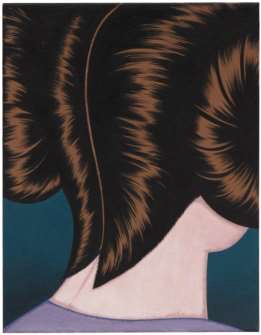
Julie Curtiss, Princess, oil on canvas, 2016, debut work by artist sold at Phillps in 2019 for $106,250, more than fifteen times the low estimate of
$6,000. Articker has shown that Curtiss’s media presence has increased by more than 775% over the last 24 months.

NEW YORK – 6 August 2020 – Today, Phillips announces the debut of Articker, a groundbreaking proprietary technology product that aggregates open-source data on artists and artworks, providing unique insights into emerging market trends. Developed in partnership between Phillips’ digital team and Articker, the platform will provide Phillips clients with unprecedented visibility on emerging trends in the art world and will expand and enrich Phillips’ robust digital growth through advanced open-source intelligence on artists and artworks from the 20th and 21st centuries.

Founded in 2014, Articker tracks the global art publishing world, with a database comprising more than 16,000 online publications and accumulating information from 50,000 other editorial sources, including galleries, museums, and art fairs, aggregated in real-time. Articker was created by Tomasz Imielinski, a pioneer in the field of association rule learning and a professor of computer science at Rutgers University; and Konrad Imielinski, a data scientist specializing in search technology and economics. In partnership with Phillips, Articker is able to precisely offer insight into trending stories both globally and locally, offering a unique real-time view on artists ranging from blue- chip masters like Pablo Picasso to those currently graduating from MFA programs. The data surrounding this cohort of more than 150,000 artists is aggregated to provide a clearer perspective on artists’ trajectories over time, relationships between artists, geographical coverage, and value correlations.

“Articker encompasses one of the largest data sets in the world of visual artists. By looking beyond pricing information, it provides us with a more holistic view of an artist’s place within the market,” states Edward Dolman, Phillips CEO. “Phillips’ team of international specialists take pride in our ability to provide unique insight into the market at large and Articker will democratize this access to globally sourced information about the world’s leading artists. Digital innovation is a top priority for Phillips and Articker’s value as a tool for our staff and clients will be immeasurable. Articker further demonstrates Phillips as a leader in information and data on art beyond the market, which is a major milestone for the company.” 

Professor Tomasz Imielinski, Co-Founder of Articker, said, “In such a relatively static market with infrequent and opaque pricing data, Articker creates an alternative valuation system for artists. This system is based on measuring each artist’s media presence by continuously crawling and analyzing tens of thousands of online sources. The power of Articker is that we provide complete real-time coverage of what is written online on any artist.” 

Designed as an ever-growing open source database, Articker will broaden over time providing more robust information and digital content on Phillips, distinguishing the auction house as a destination for research and analysis for artists and artworks of the 20th and 21st centuries.  For example, artist Amoako Boaffo whose painting The Lemon Bathing Suit marked the artists’ debut at auction in 2019, sold at Phillips for £675,000 more than twenty times its low estimate. Articker data on Boafo indicates that the artists’ media presence has increased by 82% over the past 18 months. Similarly, Phillips debuted artist Tschabalala Self’s work Lilith at auction in 2019, tripling its low estimate to sell for £125,000. Articker data shows that Self’s media presence has increased by 174% in the past 18 months while Julie Curtiss’s media presence has increased by more than 775% in the past 24 months, mirroring this rise in the media her painting Princess sold for more than 15 times its low estimate of $6,000 for $106,250 at Phillips in 2019. These cases illustrate the correlation of art market trends to media trends, with Articker offering invaluable insight as to who the emerging talents of the future might be.

Winfield Victory

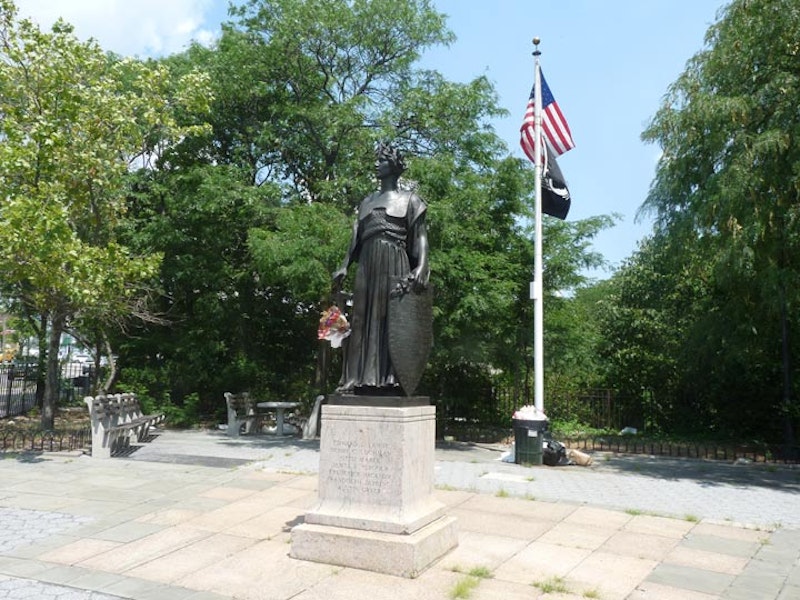
The ever abused statue of a small neighborhood in Queens dedicated to a soldier who participated in the Trail of Tears.

Winfield victory.jpg?ixlib=rails 2.1

Winfield was a small town in Queens, now absorbed by its larger neighbor, Woodside. It was developed by entrepreneurs G.G. Andrews and J.F. Kendall in 1854 and named for General Winfield Scott, who fought in the War of 1812; the Black Hawk War; carried out the command of his commander-in-chief Andrew Jackson and forcibly relocated the Cherokees in the incident known as the “Trail of Tears”; commanded U.S. forces in the Mexican War; ran for President under the Whig banner in 1852, losing to Franklin Pierce; and returned to the military when the Civil War broke out, living long enough to see the Union victory. Scott had moved into a townhouse on W. 12th St. in New York City in 1853, and was a New Yorker when the small development in Queens was given his name.

The war memorial was crafted by Italian sculptor James Novelli (1865-1940) and honors seven soldiers from Winfield who perished in World War I. Dedicated in 1926, it depicts an allegorical representation of Victory wearing a laurel crown and carrying a sword in her right hand and a shield on her left. On the marble stele she stands upon is carven the names of the seven Winfield heroes.

When the memorial was constructed, 65th Pl. and Laurel Hill Blvd. was a moderately-traveled city crossroads, but the Brooklyn-Queens Expressway was constructed along Laurel Hill Blvd. in the late-1950s and the memorial was then at a very busy corner, as there’s an expressway exit nearby. It was hit by cars numerous times and was decapitated in 1989. It was also attacked by air pollution and graffiti vandals.

Finally, the memorial was hit by a car in 2001 and knocked onto the expressway, which necessitated a 10-year absence from the corner while the Parks Department once again rebuilt it and reinstalled it in 2011. Today, it’s well-protected by traffic bollards. 

The Roman Catholic parish of St. Mary’s was established in Winfield in 1854, the first year of the development, and for many years was the “go-to” church for Roman Catholics in western Queens until other parishes could be established. At first the church had a predominantly German-speaking congregation. As is typical of Catholic parishes in New York City, a small town developed surrounding the church, with rectories (priests’ residences), cenacles (nuns’ residences) and parish grade schools; St. Mary’s, built in 1915 and boasting marvelous ecclesiastical lettering on its signage, still stands on 47th Ave., though it’s now leased to other schools. St. Mary’s Church was rebuilt in a modern structure in 1957.

This forlorn-looking intersection at 48th Ave. and 72nd St. by the Long Island Rail Road was once the location of Winfield’s LIRR station, located at the spot where the Port Washington branch separates from the main line going to Jamaica. The station was considered redundant due to its nearness to the Woodside complex, and was eliminated during the latter’s grade crossing elimination and elevation above Roosevelt Ave. below the new IRT elevated to Corona in 1915-1916. Later, other local stations on the Port Washington branch, Elmhurst and Corona, were also eliminated; recent rumblings about rebuilding the Elmhurst station on Broadway and Dongan Ave. about a mile east of here were quietly tabled.

New York’s not primarily a railroading town, not in the league of Chicago or Denver, for example. Goods get in and out of New York City mainly by truck, even though there are dreams of a rail freight tunnel crossing Upper New York Bay that would help to alleviate NYC’s crushing truck traffic.

The New York Connecting Railroad runs from the Oak Point freight yards in Hunts Point, Bronx, southwest through Port Morris, south through Randall’s Island, southeast across the Hell Gate Bridge, and then generally southerly through Steinway, Woodside, Elmhurst, Middle Village and Glendale, to Fresh Pond yards where it meets a junction with the LIRR and New York and Atlantic railroads. Canadian Pacific and CSX freights generally make this run during the week, though there are occasional runs by the Providence and Worcester as well. Some mail trains run late at night.

The NYCR’s handsome masonry arches above Queens Blvd. were constructed in 1910, and are some of the finest examples of railroad infrastructure to be found around town. 

The site of Elmhurst Park was once the location of two KeySpan Newtown gasholders, a highway landmark popularly known from helicopter traffic reports as the “Elmhurst gas tanks.” With the support of the community, the site was sold by KeySpan (the former gas supplier) to the City of New York for $1 and was cleaned up and returned to the public as open space.

The park now features lush lawns, jogging paths, seating, sculpture, modern comfort stations, safety lighting, and more than 620 trees. The playground, designed for young children, is energy-themed, in keeping with the site’s history. Storm water at the site will be collected in an underground retention system to reduce the amount of water flowing into the sewer pipes in the street.

Since 2019, the park has also been home to Queens’ Vietnam Veterans Memorial after a lengthy 12-year development period. Inscribed on the memorial in the same type font as the famed Vietnam Veterans Memorial in Washington are the names of 371 Queens residents who perished in the 1960-1975 conflict.

—Kevin Walsh is the webmaster of the award-winning website Forgotten NY, and the author of the books Forgotten New York (HarperCollins, 2006) and also, with the Greater Astoria Historical Society, Forgotten Queens (Arcadia, 2013)

Celebrating 50 Years of Collecting, The Scholarly Cellar of Dr Gordon Ku

A Great Private Cellar from SingaporeFeaturing Fine Wines from Across the Vinous World
Led By Over 60 Lots of DRC including 11 Assortments Still in Original Wooden Cases, and Petrus Spanning Six Decades
Live Auction on 5 September (Saturday), at Sotheby’s Hong Kong Gallery (5/F One Pacific Place, Admiralty)

Sotheby’s Wine will present a spectacular selection of wines from the private cellar of Dr. Gordon Ku on 5 September at Sotheby’s Hong Kong Gallery. Comprising over 850 lots estimated at HK$27-38 million / US$3.5-5 million, the sale will offer some of the world’s most revered wines amassed during fifty years of collecting.

This is the collection of a connoisseur, for connoisseurs, while it is also a collection to take hedonists to heaven. Exploration is what can be done here by those who are lucky enough to acquire wines from the collection.

SERENA SUTCLIFFE, M.W., HONORARY CHAIRMAN, SOTHEBY’S WINE

It is with immense pleasure that Sotheby’s Wine will offer The Scholarly Cellar of Dr Gordon Ku this September. This sale is a special celebration of Dr Ku’s fifty years of wine collecting, and testament to the passion and devotion that went into creating one of Singapore’s great cellars. Dr Ku had a taste for the classic regions, yet his curiosity and astute tastes meant that he built up an incredible collection of wines from all over the vinous world. His focus was very much on the enjoyment of fine wine and the perfect marriage between food and wine – which again is evident with the variety of styles on offer. Something to match every type of cuisine imaginable!

ADAM BILBEY, HEAD OF SOTHEBY’S WINE

A discerning wine lover as well as a gastronome, Dr. Gordon Ku’s wine collecting began modestly from when he was training as a physician in London in the early 1970s. Over the course of the following fifty years, he never ceased to explore his interest and appreciation for the finest wines, which grew in tandem with the collection, resulting in this great private cellar.

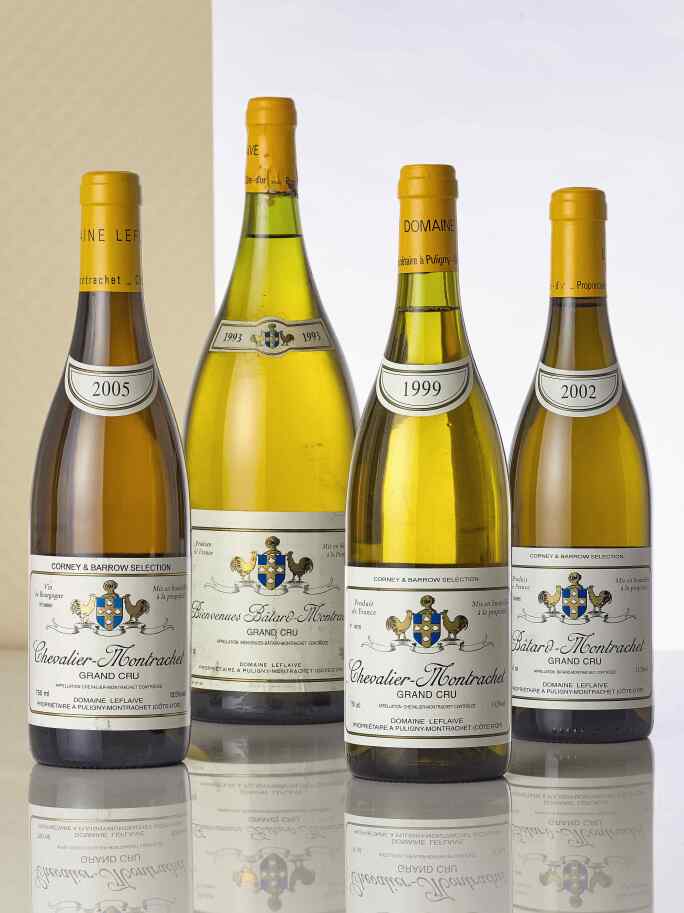
The collection is headlined by a sensational line-up of Burgundy in a vast range of formats and vintages spanning four decades, including 62 lots of Domaine de la Romanée-Conti, 11 of which are DRC assortments in original wooden cases, 54 lots of Domaine Leflaive , and 32 lots of Armand Rousseau.

The sale also boasts an array of show-stopping Bordeaux, with Haut Brion and La Mission, Latour, Lafite, Margaux and Mouton, highlighted by Petrus spanning six decades of starry vintages, including the legendary 1961 vintage and a double magnum of 1970. The Rhône selection features Guigal’s La Mouline, La Landonne and La Turque to the fore, rounded up by Chave and La Chapelle. Superlative 1974 vintage from the legendary Heitz Martha’s Vineyard, adds to the New World allure of this collection.

Sale Highlights

Château Lafleur
CHÂTEAU LAFLEUR2000, 3 BOTTLES, EST: HK$26,000 – 35,000 / US$3,200-4,2001982, 2 BOTTLES, EST: HK$45,000 – 60,000 / US$5,500-7,500
Chateau Lafite
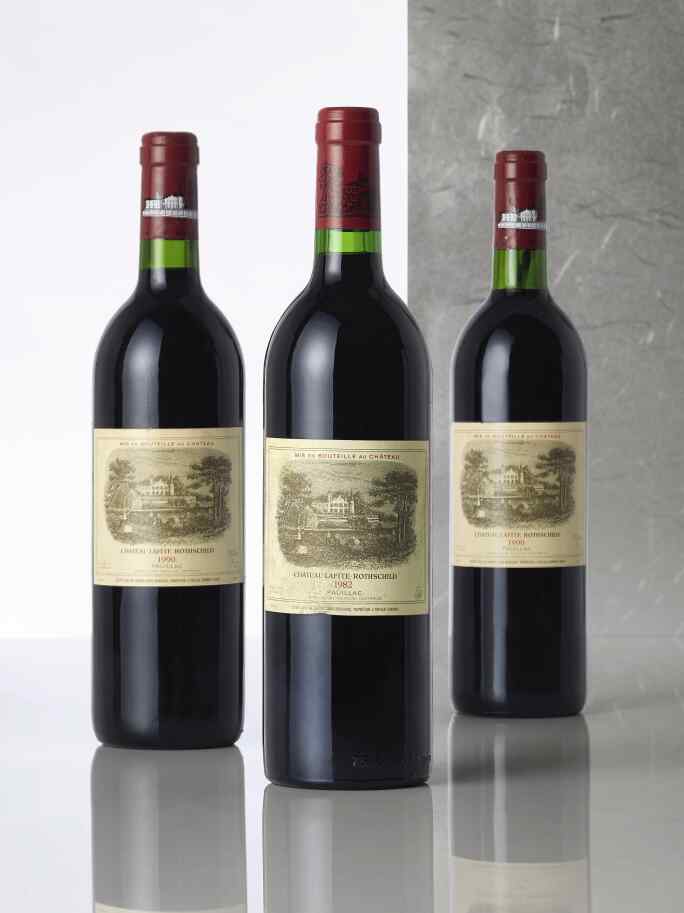
CHÂTEAU LAFITE1990, 12 BOTTLES, EST: HK$60,000 – 80,000 / US$7,500-10,0001982, 3 BOTTLES, EST: HK$50,000 – 70,000 / US$6,000-8,500
Domaine Armand Rousseau
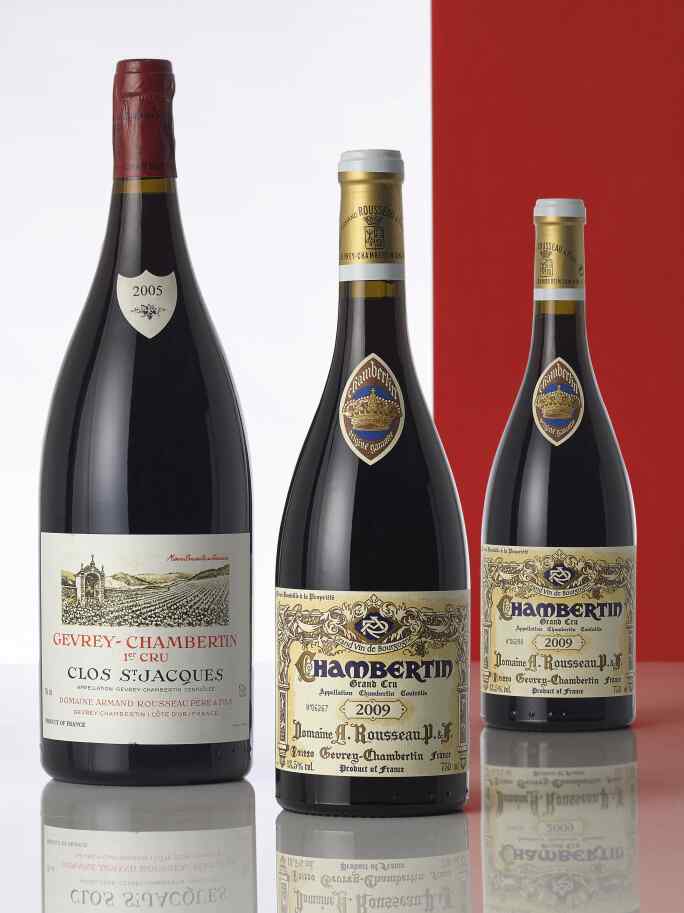
DOMAINE ARMAND ROUSSEAUGEVREY CHAMBERTIN, CLOS ST. JACQUES 2005, 1 MAGNUM, EST: HK$16,000 – 22,000 / US$2,000-2,800CHAMBERTIN 2009, 12 BOTTLES, EST: HK$190,000 – 260,000 / US$24,000-32,000
Domaine de la Romanée-Conti
DOMAINE DE LA ROMANÉE-CONTIROMANÉE CONTI 1990, 1 BOTTLE, EST: HK$130,000 – 180,000 / US$16,000-22,000MONTRACHET 1990, 2 BOTTLES, EST: HK$100,000 – 140,000 / US$12,000-17,000RICHEBOURG 1990, 2 BOTTLES, EST: HK$45,000 – 60,000 / US$5,500-7,500
Domaine Georges Roumier
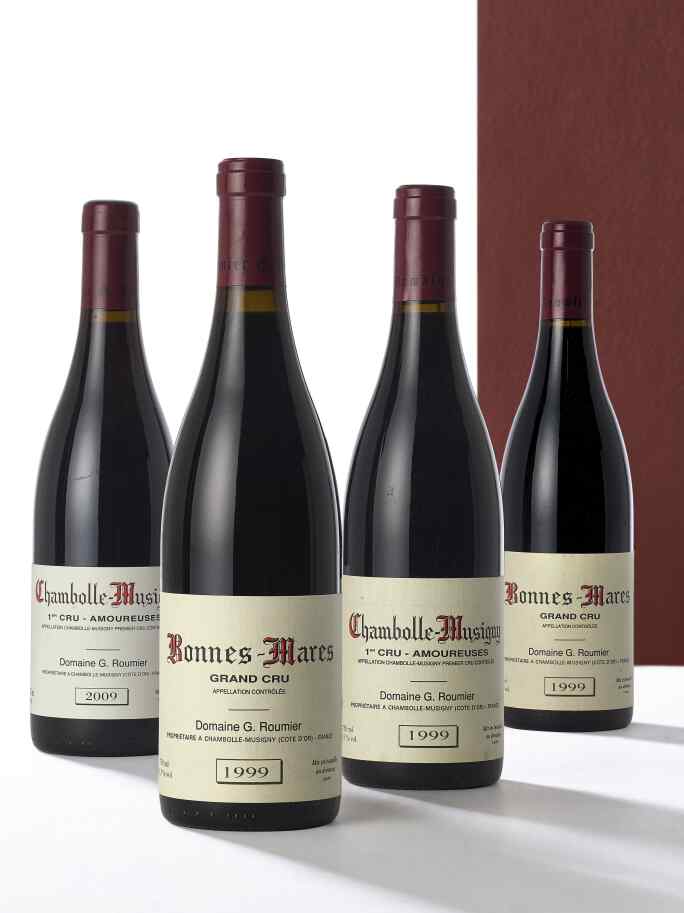
DOMAINE GEORGES ROUMIERCHAMBOLLE MUSIGNY, LES AMOUREUSES 1999, 5 BOTTLES, EST: HK$120,000 – 170,000 / US$15,000-20,000BONNES MARES 1999, 6 BOTTLES, EST: HK$75,000 – 100,000 / US$9,500-12,000
La Romanée Domaine du Comte Liger-Belair
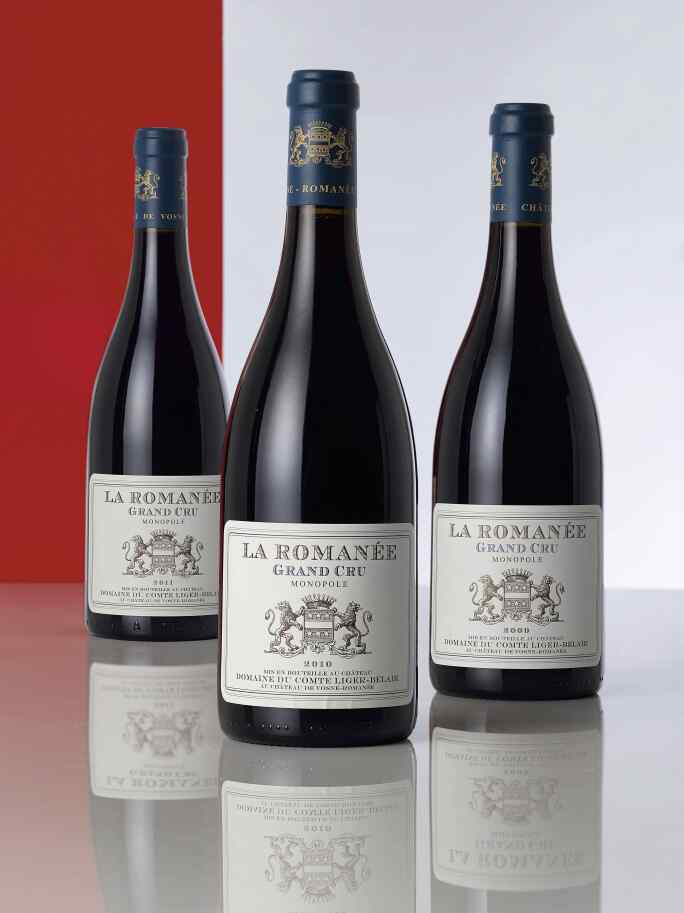
LA ROMANÉE DOMAINE DU COMTE LIGER-BELAIR2010, 6 BOTTLES, EST: HK$200,000 – 280,000 / US$24,000-35,0002009, 3 BOTTLES, EST: HK$95,000 – 130,000 / US$12,000-16,000
Domaine Leflaive
DOMAINE LEFLAIVECHEVALIER MONTRACHET 2005, 11 BOTTLES, EST: HK$48,000 – 65,000 / US$6,000-8,000BIENVENUES BÂTARD MONTRACHET 1993, 6 MAGNUMS, EST: HK$26,000 – 35,000 / US$3,200-4,200CHEVALIER MONTRACHET 1999, 10 BOTTLES, EST: HK$45,000 – 60,000 / US$5,500-7,500BÂTARD MONTRACHET 2002, 12 BOTTLES, EST: HK$42,000 – 60,000 / US$5,500-7,500

Luxe: Boutique Jewels | Haroldo Burle Marx

Freeman’s is thrilled to feature a collection of over 30 pieces by the Brazilian Modernist jeweler, Haroldo Burle Marx in our August 20 Luxe: Boutique Jewels auction.

This large collection of carved tourmalines, topazes, garnets and more, set in eighteen karat gold, were hand selected by proprietor, Mr. Charles F. May. His career as a flight attendant often brought him to Brazil, where he developed a deep admiration for gemstones and built a relationship with jeweler, Haroldo Burle Marx, resulting in an impressive collection of custom made jewels.

About Haroldo Burle Marx

Lots 53 & 56

Known for his free form carved gemstones and uniquely delicate patinas, Haroldo Burle Marx’s Modernist designs are unmistakable. The jeweler, recognized internationally for his innovative lapidary techniques, distinct aesthetics and fine craftsmanship, is widely considered one of Brazil’s finest jewelers.

Haroldo Burle Marx was born to European Jewish parents, Wilhelm Marx and Cecilia Burle in 1911 in the city of Rio de Janeiro, Brazil. The distinguished family was known for their artistry. Wilhelm owned and operated one of the world’s largest tanneries. Walter Burle Marx was a revered composer of the Rio Philharmonic and Roberto Burle Marx was a world-renowned landscape artist. Roberto, whose art spanned many disciplines, included jewelry collaborations with brother, Haroldo. Time Magazine even calling the family “-the most amazing and talented brother act in Brazil” in a 1967 article.

Haroldo studied gemology in Idar-Oberstein, Germany, the center of the gemstone cutting industry before opening his shop at Rodolfo Dantas, 6 Copacabana, Rio de Janeiro in 1954. There he employed a small team of Brazilian and Italian craftsman, including master goldsmith, Bruno Guidi. Guidi, whose signature can be found on some of the workshop’s pieces, is a master engraver responsible for much of the fine silk-like gold textures synonymous with the workshop.

About the Designs

Lots 65 & 69

Crafted in eighteen karat gold, Haroldo’s jewelry displays an exceptionally soft patina, attributed to the use of sterling silver as the principal alloy. Each piece was handmade, often set with tourmalines, topazes, garnets and rubies, all gemstones native to Brazil. Much like a sculptor, Haroldo allowed the gemstone’s structure to dictate how they were carved, resulting in his signature forma livre or free form cuts. In a 1983 article with Connoisseur Magazine, Haroldo described gemstones as “-a product of nature as clouds or trees”. This perspective is evident in the soft curves and contours of his carved gemstones, which appear almost organic in form.

The jeweler’s impressive designs and craftsmanship gained significant attention in Brazil, prompting a series of commissioned gifts for visiting dignitaries such as Empress Farah of Iran, Grand Duke Jean of Luxembourg, Queen Elizabeth I of England and more. During a visit to Brazil, Alta Leath, wife of a United States Representative, met Haroldo, later inviting him to exhibit his work in the U.S. at the Watergate Hotel in Washington D.C. in 1982. The shop would be named the Altomar Collection. It was there that Haroldo’s jewelry first became available in the United States, attracting clients such as Oscar de la Renta, Sammy Davis Jr. and more.

Haroldo’s innovative lapidary and goldsmith techniques proved an excellent vehicle for Modern design. His distinct aesthetic, in conjunction with fine craftsmanship, gained international attention, including some notable clientele.

The Fascination with Chinese Export Silver

Three-piece Chinese Export Silver Tea Set, Shanghai, late 19th/early 20th century,
Tuck Chang & Co., sold for $8,575

Following a blossoming of interest in the 1960s, Chinese export silver has never been more collectible than it is today. The demographics of the market, however, have changed. The days of American collectors ruling the roost has given way to Chinese collectors, demonstrating their willingness to out-pay and outbid all others.

The definition of these wares is quite limited in scope: items using silver mined in China, as well as silver acquired through the opium trade, maritime trade, and through Western flatware and foreign currency. With material originating from varied sources, the standard purity of Chinese export silver ranges from about .840 to .980, unlike Sterling which is consistently .925. 

Chinese Export Silver Center Bowl, Shanghai, late 19th/early 20th century, Luen Wo, maker,
sold for $11,638

The span of manufacturing of the more collectible examples of Chinese export silver extends from the last quarter of the 18th century to the early 20th century, with roughly fifty known makers. Forms include tea ware and hollowware, vases and urns, goblets, candlesticks, flatware, card cases, boxes, and much more. Export silver became more commercial in quality after the first quarter of the 20th century, but production in older styles continues. 

Most pieces are repoussé in the round with scenes of dragons, figures in courtyard settings, battle scenes, and of a variety of vegetation. Most have hallmarks, some with Chinese characters, and many bearing the name of a silversmith firm or retail shop. Early on, silversmiths adopted the practice of stamping their pieces with pseudo-English hallmarks, possibly derived from flatware brought by foreign travelers to be copied by local craftsmen. As time went by, these hallmarks became more abbreviated into Western-style initials, and the examples sometimes bear the place of manufacture such as Canton, Hong Kong, Shanghai, or Beijing.

Large Chinese Export Silver Trophy Urn, Hong Kong, late 19th century, Wang Hing & Co., makers, sold for $30,810

Many examples are engraved. Because of strong maritime trade, captains and crews often stayed for two to three months before returning, so numerous cups and bowls bear names, dates, and occasions including milestones, sporting tournaments, and as presentations for notable events.

Desirability and quality go hand in hand. The pieces showing the highest definition to faces, buildings, and foliage are in far greater demand than those with softer details. Prices overall can span, for small boxes, napkin rings, and novelties from $200-500, to large and elaborate urns and vases in the $20,000-40,000 range.

Chinese Export Silver Ewer, late 19th century,
sold for $24,885

For further exploration, there are several good books and catalogs on the subject including Chinese Export Silver by H.A. Crosby Forbes, The Silver Age – Origins and Trade of Chinese Export Silver at Hong Kong Maritime Museum, and The Chait Collection of Chinese Export Silver, and information can also be found in old auction catalogs and records of permanent exhibitions at a variety of institutions including the Peabody Essex Museum in Salem, Massachusetts.

Exceptional Aston Martin, Mercedes-Benz, and Porsche Motorcars at Bonhams 23rd Quail Auction

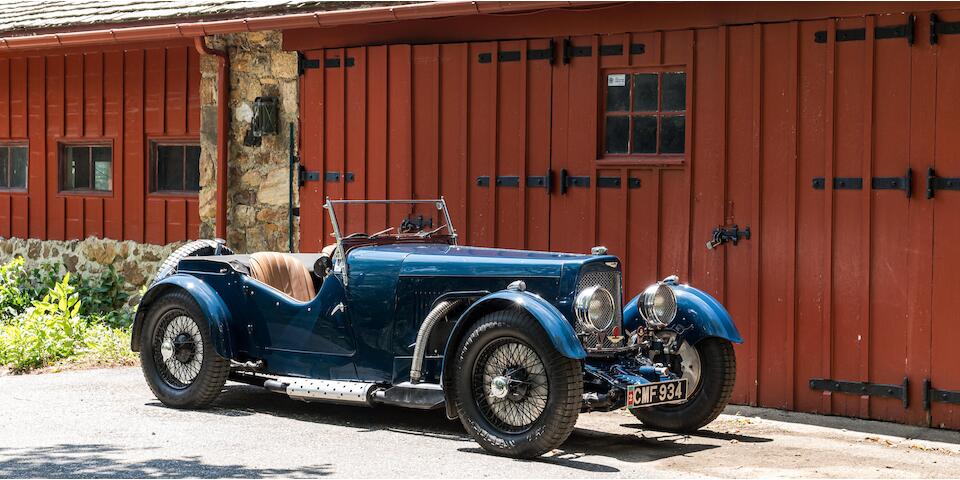
<b>1935 Aston Martin Ulster</b><br />  Chassis no. B5/551/U <br />Engine no. L48/900/U - See Text

Los Angeles- On August 14, Bonhams 23rd Quail Auction will take place at its Los Angeles saleroom offering blockbuster cars ranging from important classics to several modern high-performance cars of distinction. Highlights include the most important pre- and post-war Aston Martins models, exceptional Mercedes-Benz SL models, the impressive Porsche 718 RSK Spyder, a collection of modern Hypercars, and many more being offered without reserve.

From the Estate of David L. Van Schaick, a true connoisseur of the marque and of great cars, are two important Aston Martins. One, an iconic 1935 Aston Martin Ulster (estimate: $1,200,000-1,400,000), which was the Works Demonstrator and featured in a report for The Light Car magazine, tested at Brooklands in 1935, the verdict was summarized as Replica of Tourist Trophy Car Shows Great Paces. Road Holding and Cornering Par Excellence”. The second is a 1966 Aston Martin DB6 Vantage Shooting Brake (estimate: $1,000,000-1,200,000), this is an extremely important and special Aston Martin, one of only six built, it was purchased by Mr. Van Schaick in 1976 and is being offered publicly for the first time.

From Germany is a rare, and supremely elegant 1936 Mercedes-Benz 500k Offener Tourenwagen (estimate: $2,000,000-2,500,000). This is one of only 16 Sporting Tourenwagens built on the 500K chassis and the pinnacle of 1930s motoring.

Another highlight is a 1959 Porsche 718 RSK Spyder (estimate: $2,800,000 – 3,200,000). Only 34 of these beautiful machines were built which makes the example very rare indeed. The motorcar – chassis no. 718-031– was ordered new by noted New Jersey motorsport enthusiast, Bernie Vihl and extensively campaigned by legendary driver Bob Holbert at numerous SCCA and international events, including the 1959 Bahamas Speed Week, and has been in the same ownership since 1974.

In New York, Eastern based cars will be on view at Bedford Hills, NY. Contact the department to schedule your in-person or virtual viewings.

In addition, Bonhams is delighted to collaborate with the famed Petersen Automotive Museum in Los Angeles for the viewing Western based cars from August 12-14. The Quail Auction will be in association with the Petersen Car Week which has a Concours on August 16 as its finale.

Bonhams’ clients will have the opportunity to review the complete history files and condition of the cars. A Bonhams specialist will be on hand to answer any questions. Those not able to attend will be able to use Bonhams’ ‘virtual viewing’ platform to make an appointment for condition reports and a one-to-one bespoke ‘walkaround’ inspection with a specialist to examine a specific car in detail from front to back.

The Quail Auction will be underpinned by a printed catalogue that will be available to all subscribers and on request.

Alex Cooper to Auction Two Important Works Attributed to John Singer Sargent

TOWSON, MD — July 16, 2020 – Baltimore-based Auctioneer Alex Cooper will host a two-day Gallery Auction on Thursday, July 23rd and Saturday, July 25th, featuring an expansive collection of modern and contemporary art, a capsule collection by Nathaniel K. Gibbsfine jewelrysterling silver, currency, fine rugs, period, mid-century modern, quality reproduction and period furniture, and decorative arts.

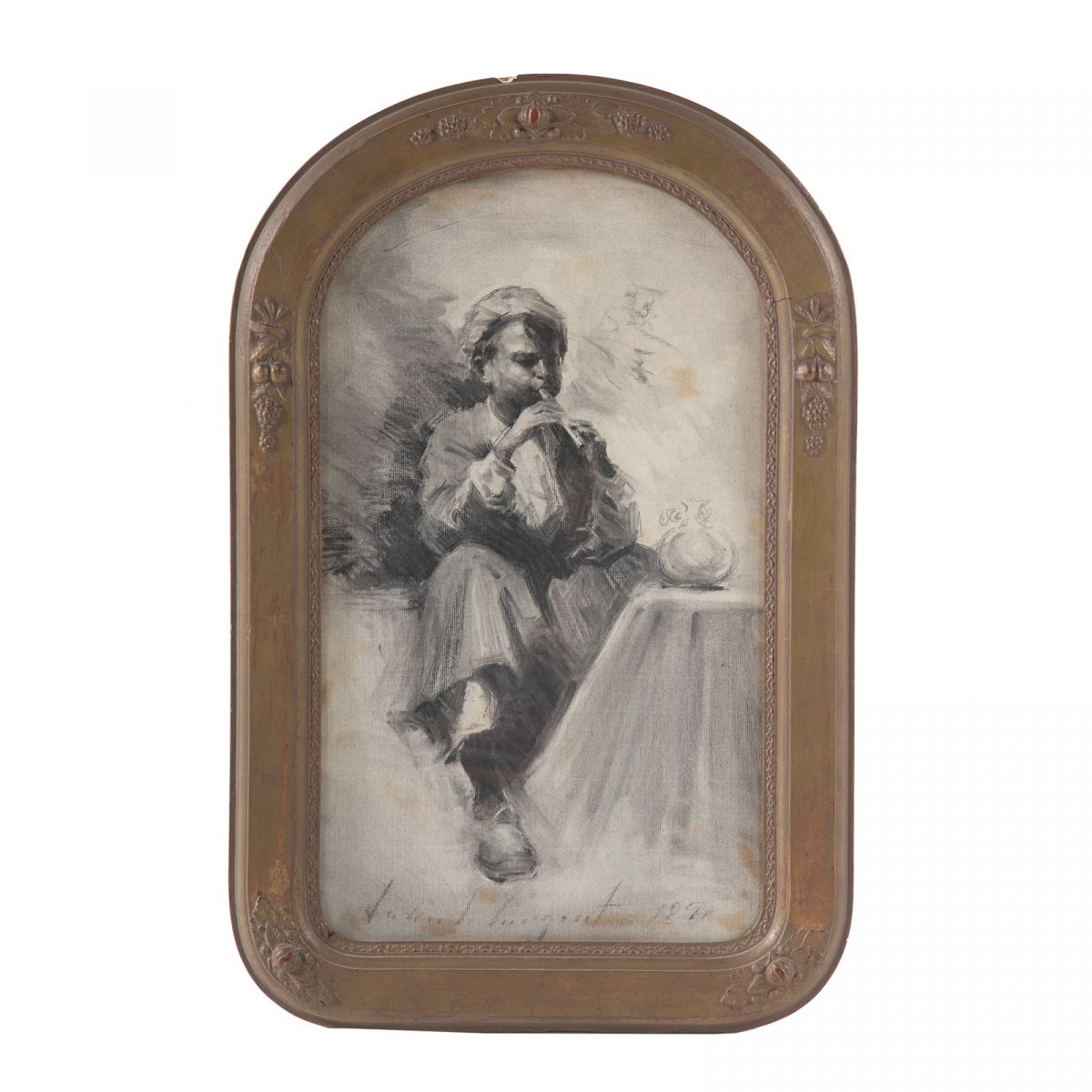
Lot 1011, Attb. John Singer Sargent. Boy with Flute, Charcoal; Estimate $10,000-$15,000

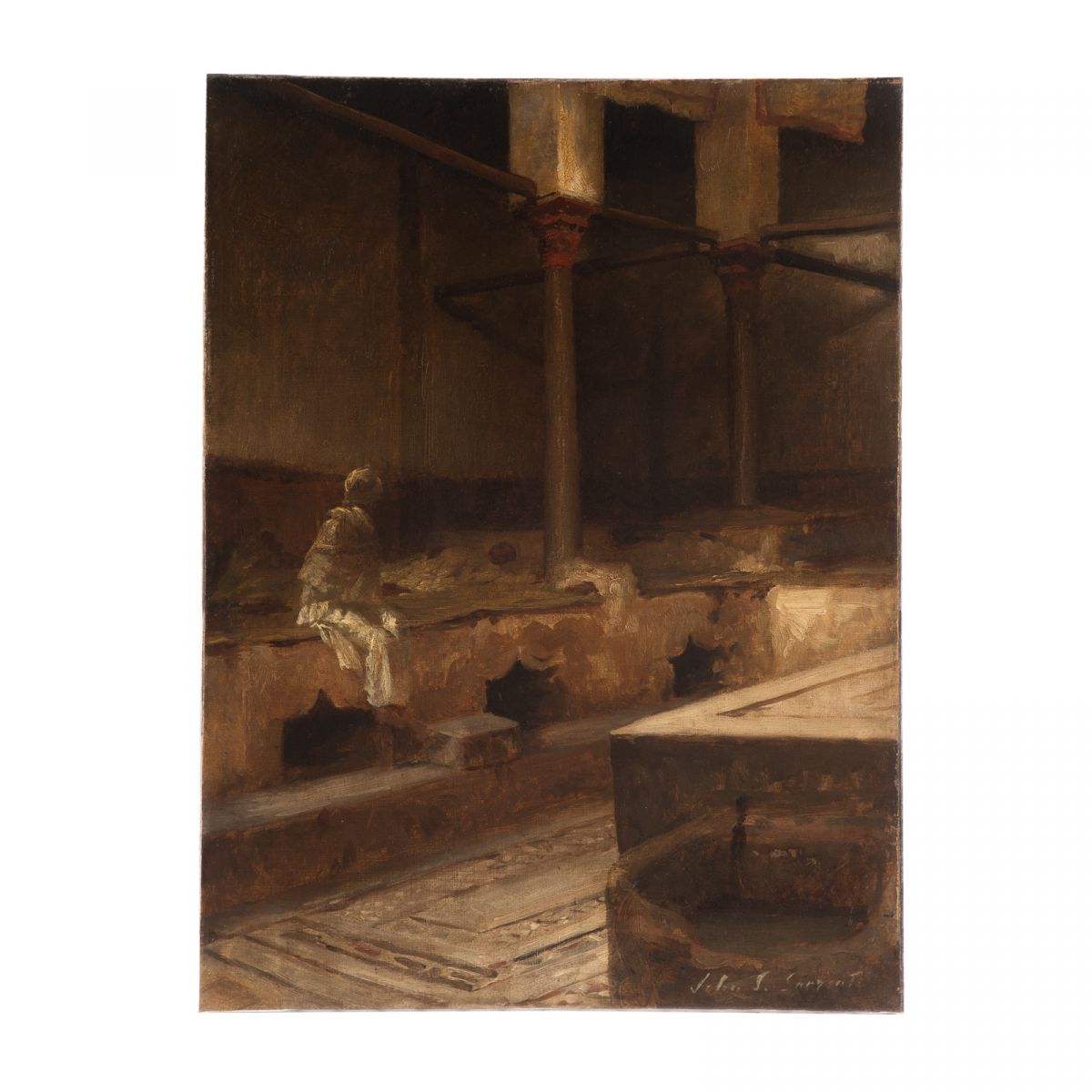
The auction is headlined by two stunning works attributed to the artist John Singer SargentTurkish Bathsoil on canvas, c.1891, and Boy with Flutecharcoal drawing on paper, 1891. Both works were accepted by Elizabeth Oustinoff, American Associate of the the John Singer Sargent Catalogue Raisonne directed by Richard Ormond and were examined by the Raisonne vetting committee on October 2, 2019.  The pieces remain under academic review by the Raisonne committee.  Turkish Baths, was additionally inspected and tested by Simon Parkes Art Conservation, New York, NY, on November 21, 2019.

Lot 1010, Attb. John Singer Sargent. Turkish Baths, Oil on canvas; Estimate $30,000-$50,000

The pieces have long been owned by one family out of the Chicago area and were acquired in the early part of the 20th century as part of a much larger collection of works. Turkish Baths, lot 1010, is being offered at an estimate of $30,000-$50,000 and Boy with Flute, lot 1011, is offered with an estimate of $10,000-$15,000. Both pieces are signed.

“We are very pleased to offer these important works at our auction,” said Paul Cooper, Vice President of Alex Cooper. “We look forward to assisting these impressive pieces in finding their new home.”

The Thursday, July 23rd, auction will begin promptly at 12 noon EST; the Saturday, July 25th, auction will begin at 10 am EST. These auctions will take place at Alex Cooper Auctioneers, located at 908 York Road in Towson, Maryland.

The European Lifestyle | The Parlor

Evoking the storied walls of English estates and the gilded halls of French chateaux, our July 21 European Lifestyle auction gathers together the decorative and intellectual traditions of Britain and the Continent with a selection of fine art, furniture, decorative arts, and ephemera that recall the luxury and leisure of the country house.


Featuring themes relating to philosophical, equestrian, pastoral, and leisurely pursuits, this sale includes fine porcelain and ceramics, furniture from the Baroque through Neoclassical periods; landscape pictures, portraits and Old Master drawings; sculpture; historical and literary volumes; and refined objects and accessories for entertaining and embellishing home and garden.

Allow us to lead you through a wandering, wistful tour of the erstwhile halls and sumptuous rooms of a bygone era.

The Parlor

“The cup of tea on arrival at a country house is a thing which, as a rule, I particularly enjoy. I like the crackling logs, the shaded lights, the scent of buttered toast, the general atmosphere of leisured cosiness”

—P.G. Wodehouse, The Code of the Woosters, 1938


The parlor could be considered the heart of the home, where one luxuriates in the comfort of upholstered furniture and soft carpets warmed by a roaring fire.  Well suited to enjoying witty repartee over a game of cards or a cup of tea, a lady might spend her afternoon in the parlor sketching portraits or writing letters, her fine penmanship illuminated by the soft glint of candlelight reflected from the polished wood and gilt surfaces of her secirétaire.

Lot 73 | Jan Frans van Dael (Flemish, 1764-1840) A Still Life of Roses, Peonies, and Other Flowers on a Ledge, oil on panel, $25,000-40,000

Jan Frans van Dael was one of the most highly regarded still life painters in Paris during the late 18th and early 19th centuries. Originally from Antwerp, the artist moved to Paris in 1786, and by 1793 he was appointed the official painter to the Court. Louis XVIII, Empress Joséphine de Beauharnais and Marie Louise were among his greatest patrons, each owning several of his works. The present painting is a magnificent example of Van Dael’s mastery at capturing fresh flowers in a bright but soft light against a characteristic dark background, a manner he inherited from fellow countryman  Gerard van Spaendonck (1746–1822), and that remains oblivious to the more scientific concerns of his generation.

Lot 78 | A Louis XV style gilt-bronze mounted marquetry and parquetry mahogany and kingwood cabinet, François Linke (French, 1955-1946), Paris, circa 1900, $4,000-6,000

This Louis XV style kingwood and mahogany cabinet by François Linke, circa 1900, demonstrates the full artistry of the master ébéniste’s lavish work in marquetry and gilt-bronze, so emblematic of the opulence of the Belle Époque.  An original drawing by Linke relating to this model is illustrated in Christopher Payne, François Linke, 1955-1946, The Belle Époque of French Furniture.